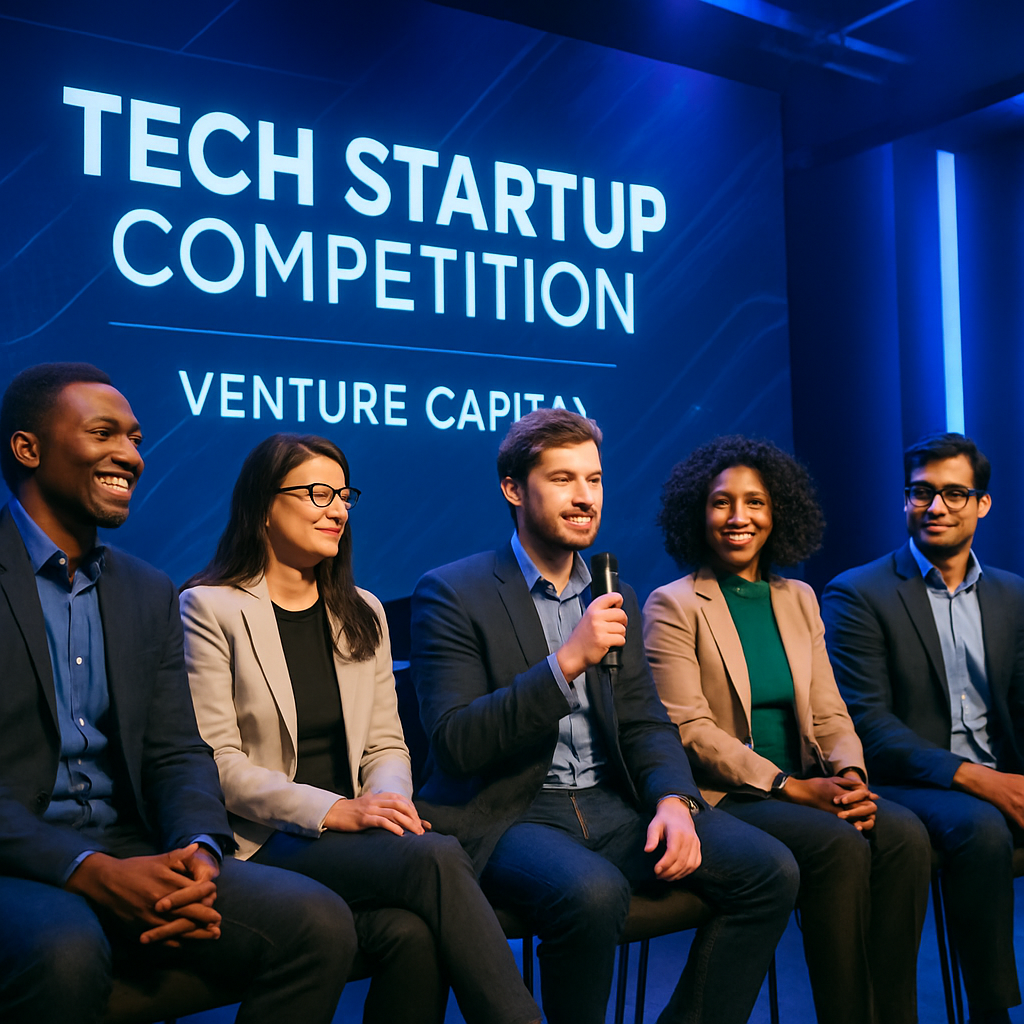
TechCrunch Disrupt 2026 is less than a month away, and today we’re introducing the latest round of venture capital judges who will evaluate this year’s Startup Battlefield 200 contenders in San Francisco from October 13-15. These VCs bring diverse backgrounds and sharp expertise in everything from AI infrastructure to overlooked founder ecosystems. Their role: not just assessing polished pitches, but scrutinizing conviction, clarity, execution, and potential to lead a category—all beyond the slides and rehearsals.
New Faces on the Battlefield
Aditi Maliwal joins as General Partner at Upfront Ventures, where she focuses on pre-seed and seed-stage startups in fintech, AI, enterprise SaaS, and developer tools. Her portfolio already includes companies like Clair, Writer, Arcade, and General Translation. Prior to Upfront, she held roles at Google and Deutsche Bank, and led Chime’s Series A during her earlier venture work. She’s the firm’s first partner based in San Francisco.
Michael Palank serves as General Partner at MaC Ventures, a firm backed predominantly by Black leadership. His investment focus spans seed-stage consumer and enterprise spaces, including AI, fintech, healthcare, media, entertainment, and aerospace and defense. Before venture, he worked in Hollywood talent representation, aligning with a culturally driven investment philosophy at MaC.
Nell Daly is co-founder and Managing Partner at Revenge Capital, an evergreen fund that sets out to support underrepresented founders—women, BIPOC, LGBTQIA+, disabled, and neurodiverse entrepreneurs—across the U.S. and U.K. Her background as a psychotherapist plays into her founder-first approach, emphasizing empathy alongside business fundamentals.
Grace Ge is a Partner at Amplify Partners, investing in the space between foundation models and enterprise applications. Her remit covers AI, developer tooling, data infrastructure, and modern SaaS. Amplify’s portfolio boasts Pinecone, Eppo, Vivun, Orb, Avoca, as well as well-known companies like Datadog, Fastly, Temporal, dbt, and Modal. Ge has been recognized in Forbes’ 30 Under 30 for Venture Capital.
Crystal Huang is a General Partner at GV, with a focus on enterprise SaaS, AI infrastructure, and fintech. She particularly values product-led and developer-led go-to-market motions. Her past experiences include roles at NEA, GGV Capital, as well as technology M&A at Blackstone. Companies in her portfolio include Typeface, Pecan AI, Sardine, Cacheflow, PostHog, Roboflow, and Sift.
Why These Judges Matter
Startup Battlefield has a nearly two-decade legacy of launching companies that go on to reshape markets. The judges’ backgrounds give clues about what they’ll prioritize: readiness to scale, resilient business models, diversity in founding teams, and whether founders are doing more than riding the hype cycles—especially in AI. For founders pitching this year, understanding what these judges value can help shape more compelling applications.
TechCrunch Disrupt 2026 will host over 10,000 founders, investors, and innovators. It’s not just a platform to pitch—it’s a lens into where startup trends are headed, which sectors are catching VC attention, and what investor biases are shifting. With ticket prices rising after September 25, it’s set to be a high-stakes event.
What this means: These five judges reflect broader shifts in investor focus. Expect more scrutiny on founder diversity and authentic stories—not just tech glitz. The space between foundational AI models and practical enterprise apps is clearly of interest. And scale potential will likely trump flashy demos. As Disrupt approaches, watch how founders align their pitch decks and business narratives to what these judges actually care about. That alignment could make all the difference this year.