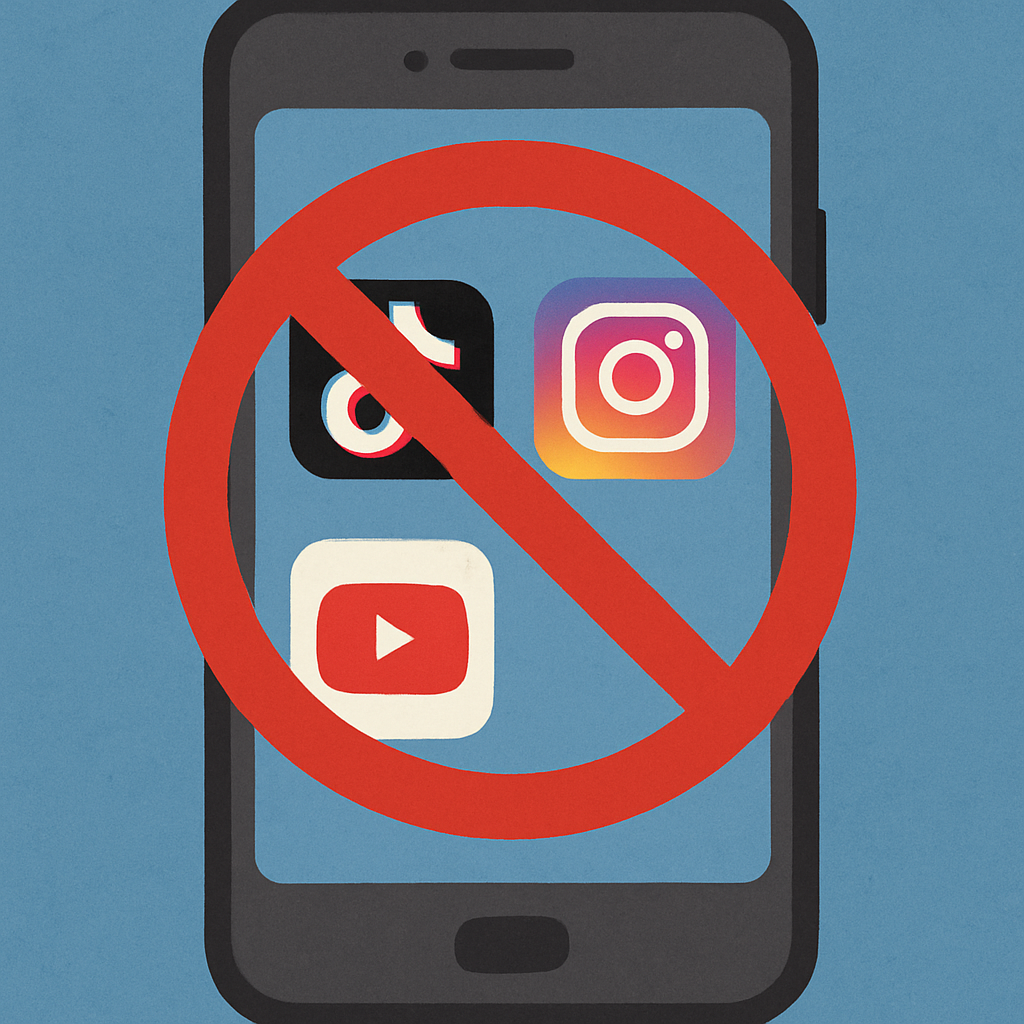
The United Kingdom has announced a forthcoming ban on social media usage for individuals under the age of 16. Prime Minister Keir Starmer revealed that this prohibition will encompass major platforms such as Snapchat, TikTok, YouTube, Instagram, Facebook, and X. The initiative aims to shield young users from potential online harms and is slated to take effect by early next year.
Messaging services like WhatsApp and Signal are exempt from this ban. Additionally, the government plans to impose restrictions on AI-driven tools, specifically targeting “romantic companion” chatbots, ensuring they are accessible only to users aged 18 and above.
This move positions the UK at the forefront of global efforts to enhance online safety for minors. Australia pioneered a similar ban late last year, and countries including Canada, France, and Denmark are in the process of formulating comparable regulations.
The government’s decision follows a comprehensive consultation process involving parents, young people, and civil society organizations. A significant majority—over 83%—of participating parents expressed concerns that the risks associated with social media outweigh its benefits for children.
Prime Minister Starmer emphasized the detrimental effects of social media on youth, highlighting issues such as increased exposure to bullying, potential mental health challenges, and the addictive nature of features like infinite scrolling. He underscored the importance of reclaiming traditional childhood activities, such as reading and outdoor play, which are often overshadowed by excessive screen time.
While the ban is ambitious, questions remain about its enforceability. Critics argue that technological measures may be insufficient to prevent underage access, and there is concern about the potential for children to migrate to less regulated online spaces. The government acknowledges these challenges but remains committed to implementing the ban, believing it to be a necessary step toward safeguarding the well-being of the nation’s youth.
As the UK prepares to implement this landmark policy, it will be crucial to monitor its effectiveness and adaptability. The success of this initiative may serve as a model for other nations grappling with similar concerns, potentially setting a new standard for online child protection worldwide.