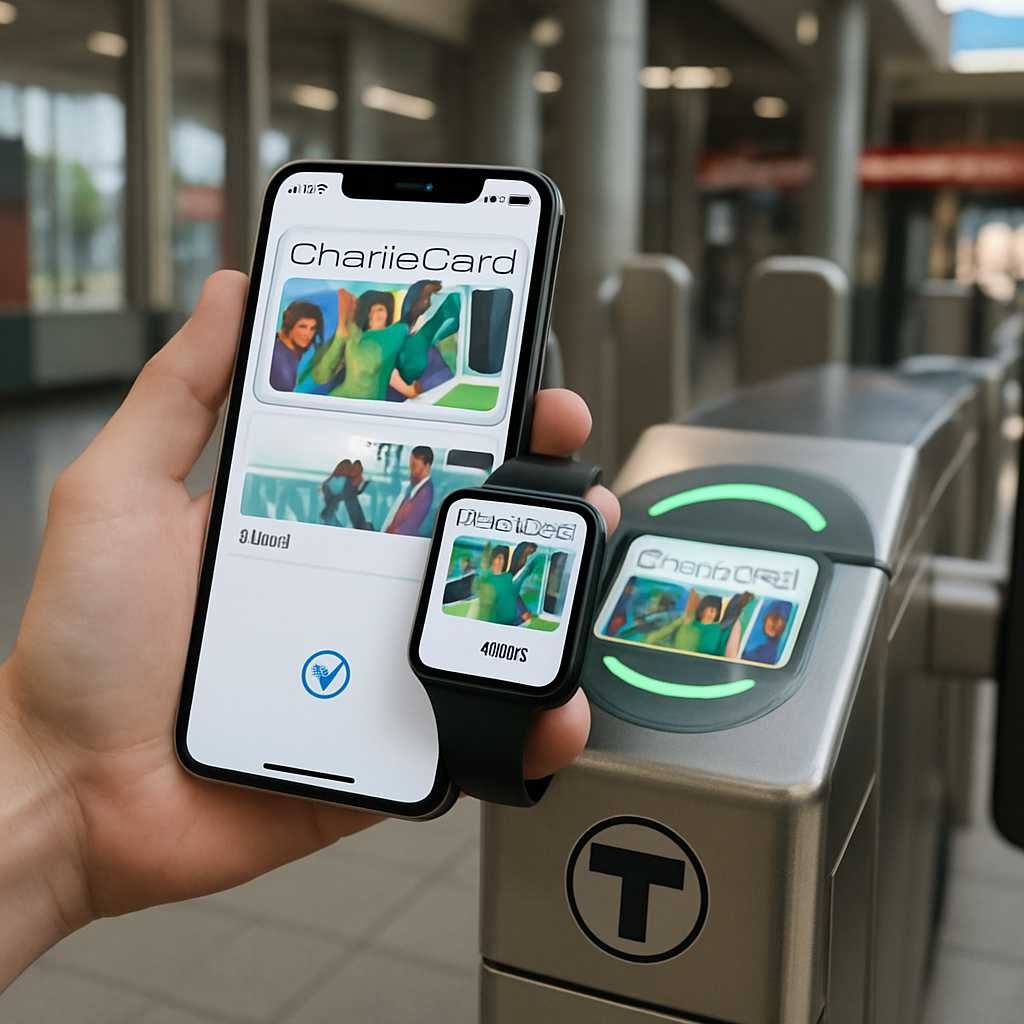
Boston’s Massachusetts Bay Transportation Authority (MBTA) is testing a new version of its Charlie Card that works with Apple Wallet. That means riders could soon tap their iPhone or Apple Watch instead of the physical card when riding public transport across the MBTA system. This trial is currently restricted to selected participants, and the MBTA says the full rollout will come later.
What’s changing?
The traditional Charlie Card is one of Boston’s primary transit payment options. With this test launch, the MBTA has introduced a digital version that can be stored in Apple Wallet, enabling contactless fare payments via Apple devices. Participants in the pilot will be able to add the Charlie Card to their Apple Wallet and use it the same way as the physical card—by tapping at fare gates or onboard vehicles.
Timeline and scope
Right now, only a limited group of MBTA users have access to the digital Charlie Card. No specific date has been shared yet for when all riders will be able to use the feature. The agency has confirmed that broader availability is coming “at a later date,” leaving it unclear how soon Apple Wallet support will go live across the board.
This effort shows the MBTA following in the footsteps of other transit systems globally that are moving toward mobile wallet-based fare payment. Integration like this is part of a larger trend toward digital wallets and contactless transactions in public transit networks.
Some key details are still unknown: it’s not yet clear how those chosen for the pilot were selected, whether there will be any cost involved beyond standard fares, and what the security or refund process will look like for lost or malfunctioning devices.
The MBTA has been communicating the test through its official channels, but no formal announcement has outlined every facet of how the system will work for regular users. Riders interested in being part of the test should keep an eye on MBTA updates or contact customer support.
Why this matters: making fare payment as frictionless as unlocking your phone isn’t just convenient—it’s a strong indicator of where transit is headed. If the trial succeeds, Boston could join a growing list of cities where mobile wallets replace physical fare cards. For the MBTA, getting this right could mean faster boarding times, reduced need for fare media production, and a real push toward modernization. What to watch: the public launch date, device compatibility, and how the MBTA secures the digital fare medium against misuse or technical issues.