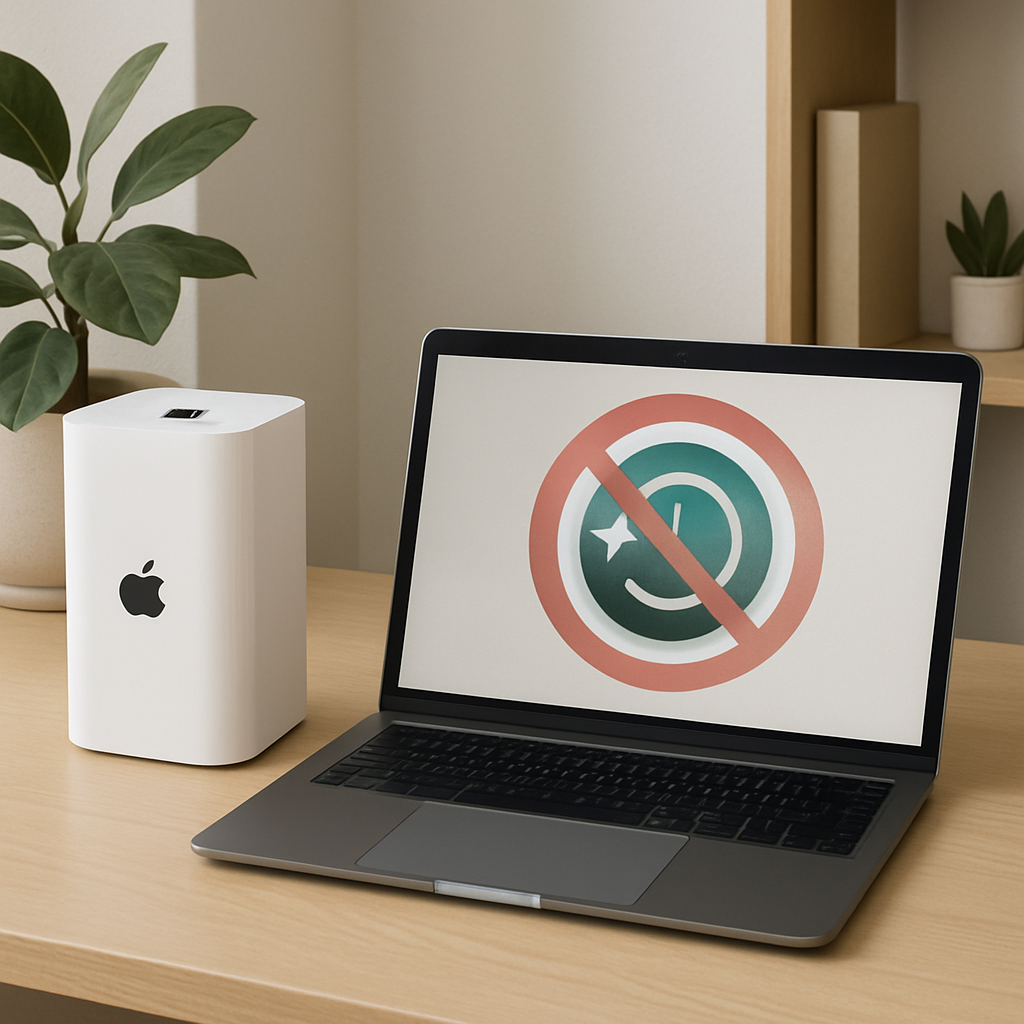
With the arrival of macOS 27 (Golden Gate), Apple is officially ending the ability to back up Macs using Time Machine over an AirPort Time Capsule. The change stems from dropping support for AFP (Apple Filing Protocol), the legacy protocol Time Capsule relies on for Time Machine backups. The system will now rely exclusively on SMB for file sharing related to Time Machine — and Time Capsule hardware isn’t compliant with SMB in the way macOS 27 requires.
This shift has been anticipated since mid-2025, when macOS Tahoe began warning users that Time Capsule backups would no longer function in future updates. That notice laid the groundwork for what’s now a hard cutoff: once users install macOS 27, backups to existing Time Capsule devices are no longer an option.
Why AFP Isn’t Enough Anymore
AFP has been a part of macOS’s file-sharing legacy for years, but it’s increasingly seen as outdated. By moving fully to SMB for Time Machine backups, Apple aims to standardize on a more modern, secure, and universally supported protocol. Time Capsule devices never received firmware updates to work properly with the specific SMB implementation that macOS 27 enforces. As a result, users are left without backward compatibility.
What Users Can Do Now
For those who’ve been relying on Time Capsule for backups, several alternatives are now necessary. The most straightforward option is switching to external drives connected directly to Macs. Network Attached Storage (NAS) devices that support SMB properly are another viable choice. Users should ensure any NAS they choose handles SMB versions and authentication as required by macOS 27. There’s no word from Apple about a roadmap to retrofit Time Capsules to work under these new requirements.
This change represents the first time macOS has removed official backup support for Time Capsule entirely. Previous versions of macOS included compatibility layers or deprecation warnings, but Time Capsule worked until now for those who’d already set it up. University labs, small offices, and home users who integrated Time Caps into their backup strategy are those most affected.
Analytical Take:Apple’s decision to retire AFP and cut off Time Capsule backup support reflects a broader push to modernize its ecosystem and eliminate legacy protocols that no longer align with security or functionality standards. For users, this means extra costs and effort to migrate backups. For the industry, it’s a signal: end-of-life for old tech is accelerating. Going forward, watch for how Apple supports SMB configurations and whether any third-party hardware makers fill the gap left by Time Capsule’s absence. The ripples will extend beyond just Time Machine backups — they’ll shape how backup infrastructure evolves on the Mac platform.