Apple has just released macOS Golden Gate 27.2, a modest update packed with cosmetic changes, Siri enhancements, and early groundwork for touchscreen support on Macs. Though it’s officially labeled a minor release, several underlying adjustments suggest Apple is nearing launch of touch-enabled MacBook Pros. Detailed visual tweaks, multilingual expansion, and touch tool integration all hint at what’s coming next.
Visual Refreshes & Interface Changes
One of the more noticeable updates comes to Apple Music, which receives a fresh logo and a revised color palette—shifting from red highlights to blue. Alongside this branding overhaul, adjustments have been made to the volume and brightness controls: instead of a smooth continuous slider when using keyboard controls, the interface now steps in more discrete increments, offering finer-grained adjustments at each step.
New Siri Languages & Under-the-Hood Features
macOS 27.2 expands Siri AI support with five new languages: French, Japanese, Korean, Portuguese, and Spanish. General system performance and security fixes are also included to bolster the experience.
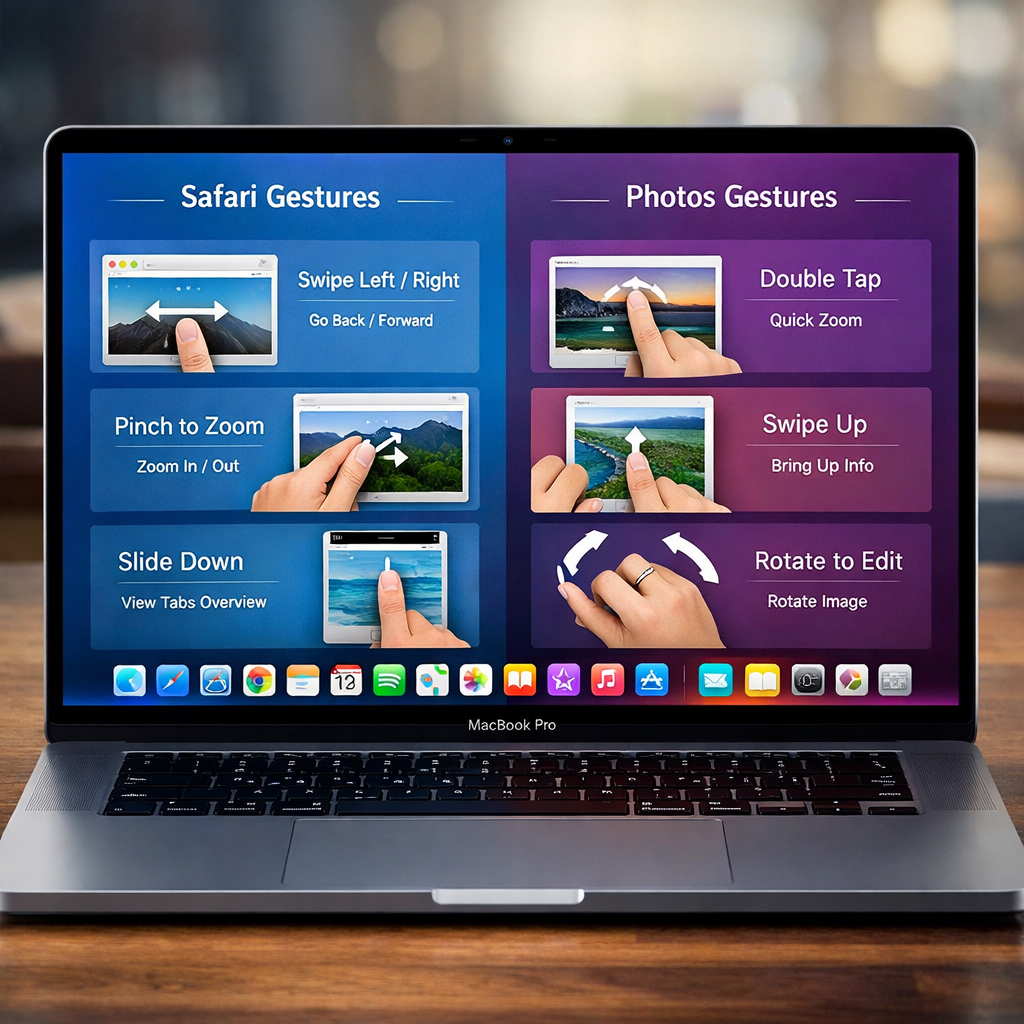
The most intriguing updates lie in touch capabilities—hidden for now. macOS Golden Gate now includes touch tools built into core Apple apps like Safari and Photos. Apple hasn’t yet detailed how these tools function, but their presence signals readiness for the rumored OLED touchscreen MacBook Pro line. This version of macOS will be the one shipped pre-installed on all new Macs going forward, and it runs on the same hardware supported by version 27.
How to Get macOS 27.2 & What to Expect
If your Mac supports version 27, you’ll get a prompt to install the 27.2 update via System Settings → General → Software Update. However, it could take a few days for the update notification to appear automatically. As with any OS update, Apple suggests waiting briefly post-release so early bugs can surface and be addressed.
Though macOS 27.2 doesn’t radically overhaul the user experience, its subtle branding changes, expanded AI language support, and preparation for touch mark shifting priorities. These features suggest Apple is laying the groundwork for its next-gen hardware.