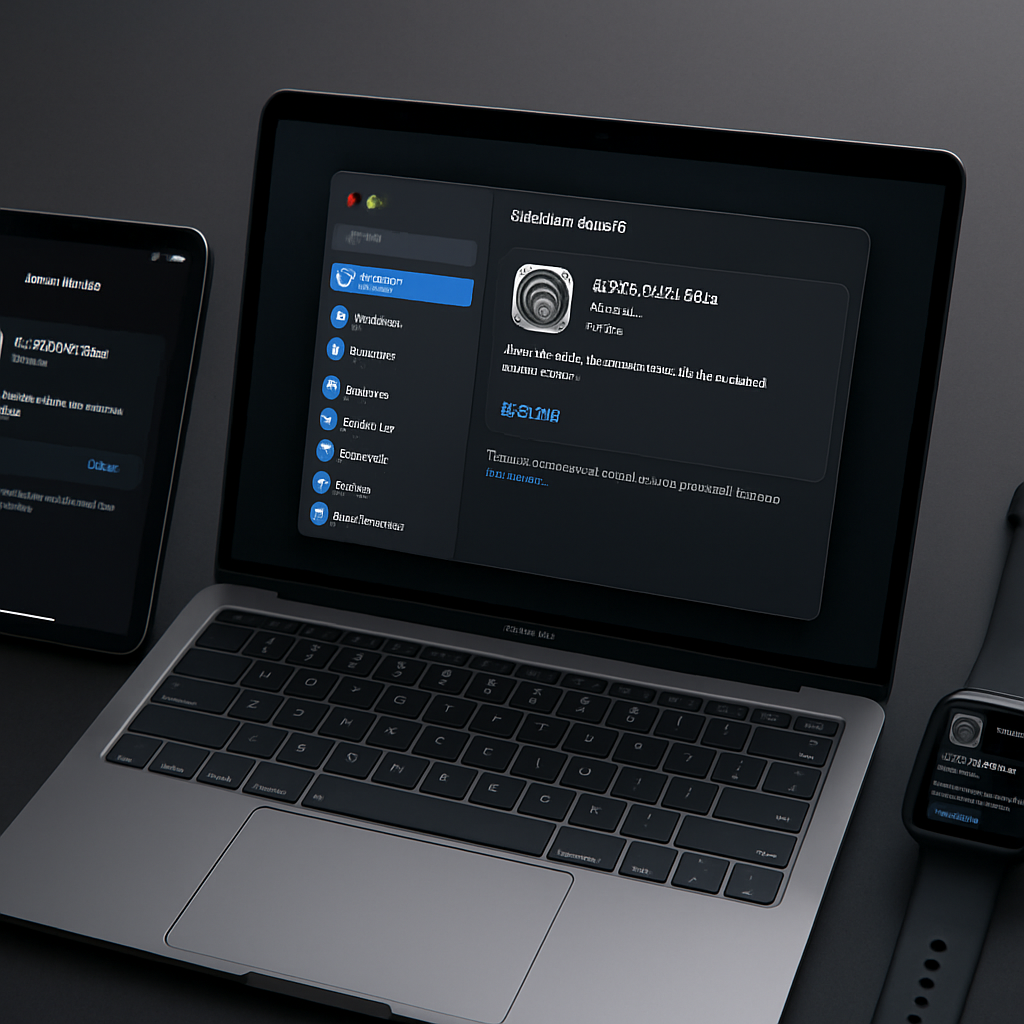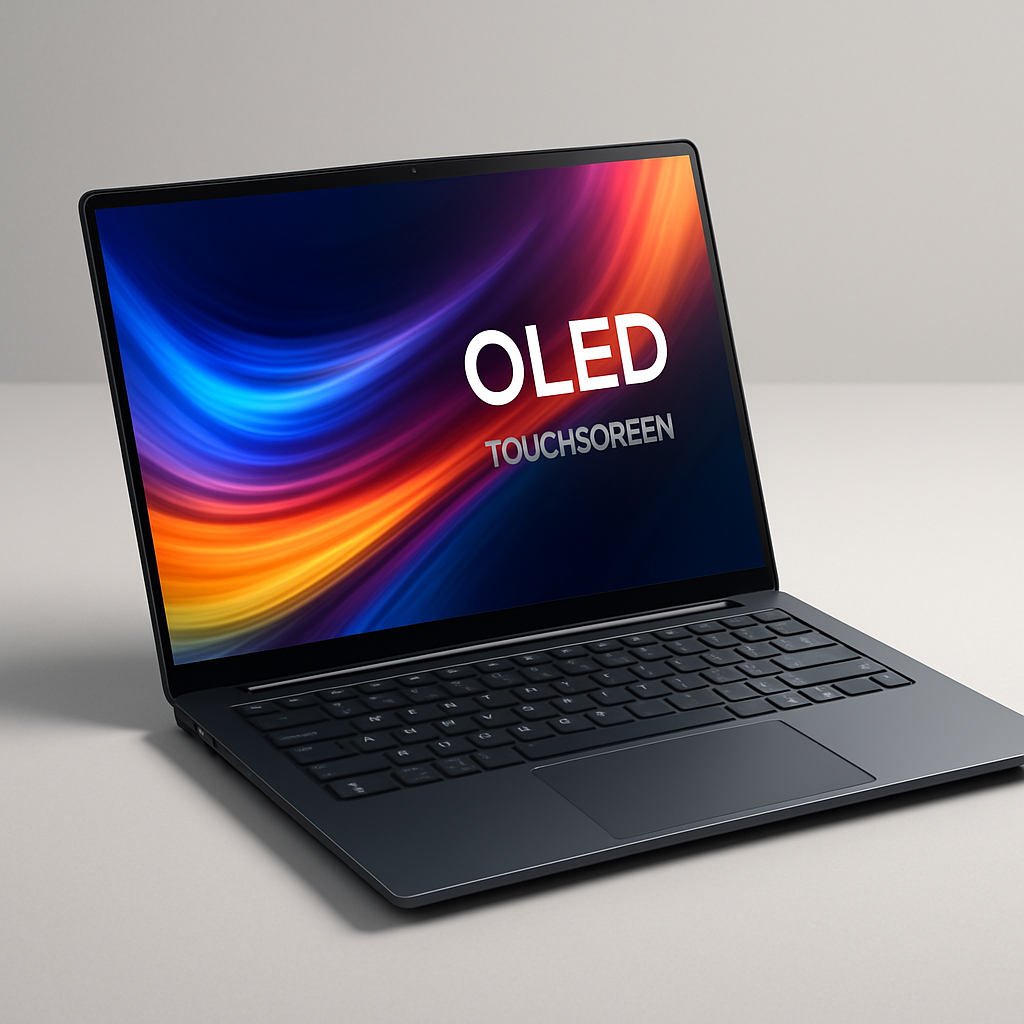
Apple’s forthcoming MacBook Ultra is set to introduce significant advancements, including a sleek redesign, OLED display, and touchscreen capabilities. These enhancements, however, are expected to come with a higher price tag, especially in light of recent industry developments.
Exclusive Display Supplier
Traditionally, Apple collaborates with multiple suppliers to ensure component availability and cost efficiency. For the MacBook Ultra’s sophisticated display, which combines tandem OLED technology with touchscreen functionality, Apple aimed to engage both Samsung and LG. However, reports indicate that LG has been unable to meet the required production volumes. Consequently, Apple has opted to source these displays exclusively from Samsung. This decision grants Samsung greater leverage in pricing negotiations, potentially increasing Apple’s manufacturing costs.
Impact of Rising Component Costs
The tech industry is currently grappling with escalating memory and storage costs. Apple has already responded by raising prices across several product lines. For instance, the MacBook Pro’s starting price increased from $1,699 to $1,999, and the MacBook Air saw a rise from $1,099 to $1,299. These adjustments reflect the broader trend of rising component expenses affecting the entire industry.
Given these factors, the MacBook Ultra’s price is anticipated to be higher than initially projected. The combination of exclusive supplier agreements and increased component costs suggests that consumers should prepare for a premium price point for this advanced device.
As Apple continues to push the boundaries of laptop technology, the MacBook Ultra represents a significant leap forward. However, potential buyers should be aware of the financial implications associated with these cutting-edge features.