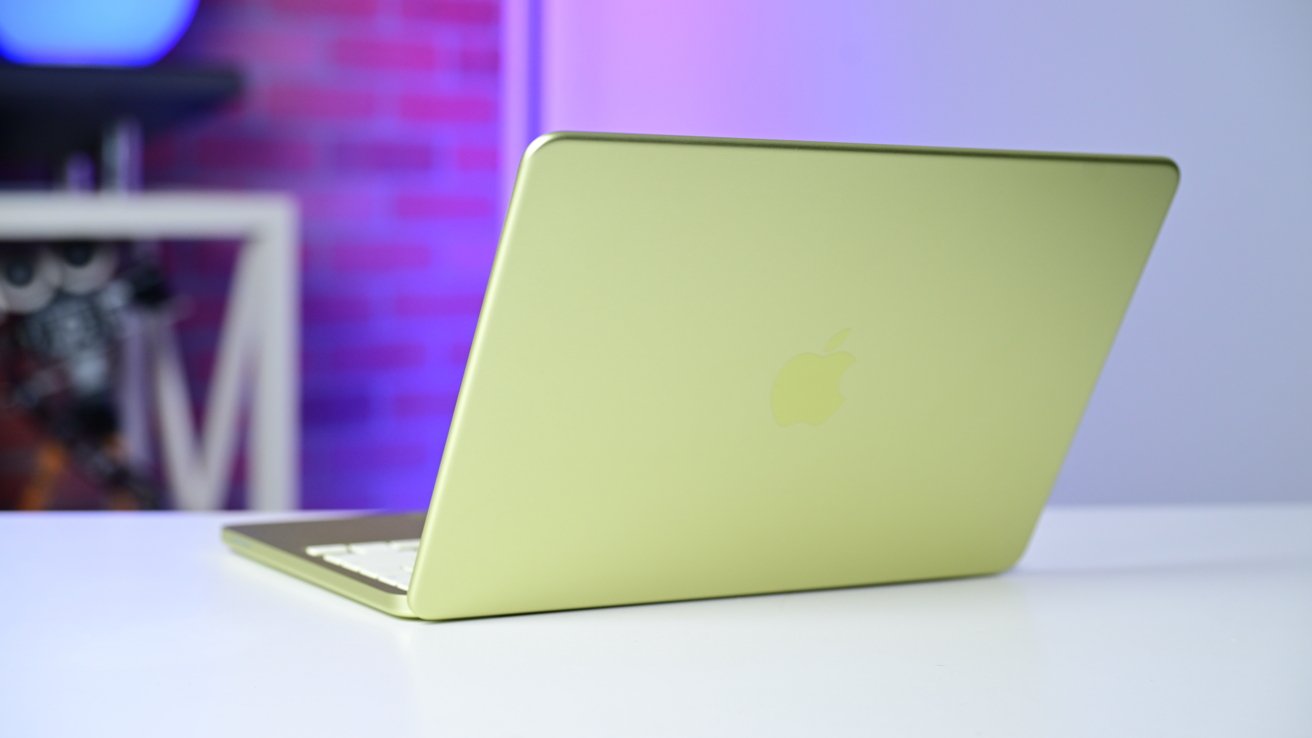
MacBook Neo Shines Amidst Global PC Market Decline
In 2026, the global personal computer (PC) market is experiencing a significant downturn, with shipments projected to decline by 11.3% compared to the previous year. This decline is primarily attributed to severe memory shortages and escalating component prices, which have disrupted supply chains and increased production costs. Despite these challenges, Apple’s MacBook Neo has emerged as a standout performer, demonstrating resilience and strong consumer demand.
Global PC Market Challenges
The PC industry is grappling with a confluence of issues that have led to a sharp decline in shipments. According to the International Data Corporation (IDC), global PC shipments are expected to fall by 11.3% in 2026, a significant revision from earlier projections. This downturn is driven by:
– Memory Shortages: A 130% surge in combined DRAM and solid-state drive (SSD) prices by the end of 2026 has significantly increased production costs. This price hike is expected to raise PC prices by 17% and smartphone prices by 13% compared to 2025 levels. The scarcity of memory components has constrained manufacturing capabilities, leading to reduced supply and higher prices for consumers.
– Supply Chain Disruptions: Ongoing geopolitical tensions and logistical challenges have disrupted the global supply chain, making it difficult for manufacturers to procure necessary components. These disruptions have led to production delays and increased costs, further exacerbating the decline in PC shipments.
– Changing Consumer Behavior: With rising prices and economic uncertainties, consumers are extending the lifespan of their existing devices, leading to longer upgrade cycles and decreased demand for new PCs.
MacBook Neo’s Exceptional Performance
Amidst the industry’s struggles, Apple’s MacBook Neo has defied the downward trend, achieving remarkable sales figures in its debut quarter. According to IDC, Apple shipped 1.1 million MacBook Neo units in the first quarter of 2026, surpassing the debut performances of other Mac models. Notably, this achievement occurred despite the MacBook Neo being available for only three weeks during that period, having launched in mid-March.
The MacBook Neo’s success can be attributed to several factors:
– Competitive Pricing: Priced at $599, the MacBook Neo is approximately 45% more affordable than the entry-level MacBook Air. This aggressive pricing strategy has made it an attractive option for budget-conscious consumers seeking quality and performance.
– Innovative Design and Features: The MacBook Neo boasts an aluminum chassis and a 13-inch Liquid Retina display, offering a premium look and feel. Powered by Apple’s A18 Pro chip and equipped with 8GB of RAM, it delivers efficient performance suitable for everyday tasks.
– Brand Loyalty and Ecosystem Integration: Apple’s strong brand reputation and the seamless integration of its devices within the Apple ecosystem have contributed to the MacBook Neo’s appeal. Consumers invested in Apple’s ecosystem find the MacBook Neo to be a compelling addition to their suite of devices.
Competitive Landscape
The success of the MacBook Neo has prompted competitors to respond with their own offerings. Dell, for instance, has relaunched its XPS 13 laptop, positioning it as a direct competitor to the MacBook Neo. Priced at $699, with a discounted rate of $599 for students, the new XPS 13 features Intel’s latest Wildcat Lake Core 5 320 processors, a 13.4-inch touchscreen with a 2560×1600 resolution, and a lightweight, premium aluminum chassis. Dell emphasizes the XPS 13’s superior screen, performance options, and build quality, aiming to capture the attention of students and budget-conscious consumers.
Future Outlook
While the overall PC market faces significant challenges, the success of the MacBook Neo suggests that there is still demand for innovative and competitively priced devices. Manufacturers that can navigate supply chain disruptions, manage rising component costs, and deliver value-driven products are more likely to weather the current downturn.
Apple’s ability to leverage its supply chain strengths, brand loyalty, and ecosystem integration has positioned the MacBook Neo as a bright spot in an otherwise declining market. As the industry continues to adapt to these challenges, the strategies employed by Apple and its competitors will be crucial in determining their success in the evolving PC landscape.