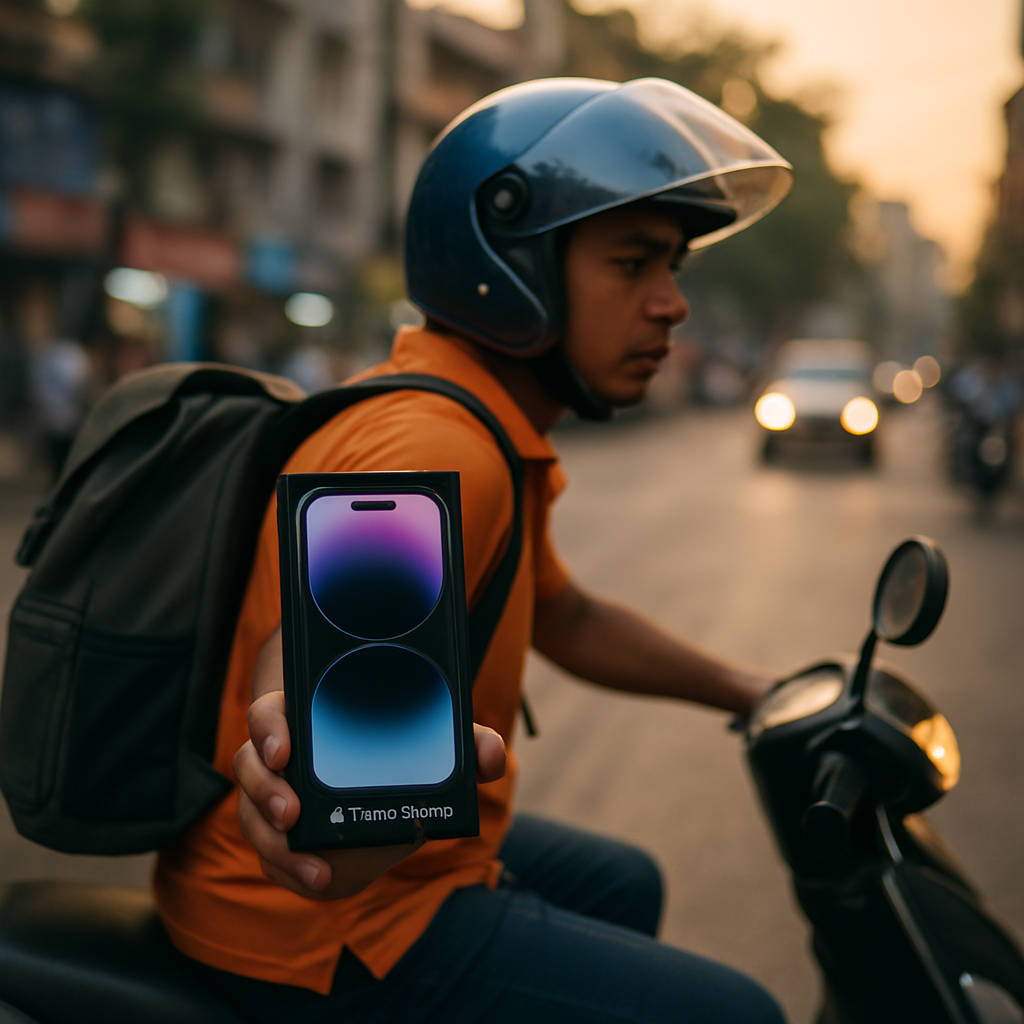
In a move that’s redefining launch day logistics, buyers in India are now getting iPhone 18 Pro or Pro Max phones delivered in about 10 minutes—faster than many people receive a pizza. This service is being offered by India’s quick-commerce giants like Blinkit, Zepto, Swiggy Instamart, and BigBasket, right from the moment the phones officially hit stores. Customers urgently tapping apps can now avoid long lines or delivery waits for brand-new Apple devices.
Traditionally, new iPhone models are available through Apple’s standard avenues—online store, authorized resellers, and retail outlets. But the recent launch in India saw these quick-delivery platforms expand their offerings to include high-end electronics. While these platforms have dabbled in non-food items like beauty, fashion, and electronics before, the iPhone 18 Pro-series launch marks one of their most premium, high-volume rollouts to date.
Booming quick-commerce market
The rapid delivery of high-end tech reflects a wider surge in India’s quick-commerce sector. In the first half of 2026, the industry’s value surged to roughly $9 billion. The user base has jumped dramatically—from 8 million monthly customers just three years ago to over 60 million now. Spending trends show nearly half of purchases in quick commerce are no longer confined to groceries or essentials; electronics, beauty, and fashion are claiming 45% of the total volume.
Launch day demand showed no signs of slowing. BigBasket delivered more than 300 units of the new Pro models within the first hour alone. In major metro areas, Bengaluru led orders, followed by Delhi. The highest demand was seen for the Burgundy 256GB iPhone 18 Pro. Despite that, supplies began thinning quickly—some quick-commerce services ran out of stock in parts of these big cities while others still had models available.
Does it move the needle?
Experts believe this phenomenon shows promise but caution that its broader impact remains limited—at least for now. One research director observed that while launch-day deliveries for premium phones are impressive, they’re still a small fraction of total iPhone sales. The bigger test will be whether customers keep buying phones through these quick-delivery channels after the hype fades.
Another analyst pointed out what sets India apart: users here have strong familiarity with and trust in quick-commerce platforms, thanks to regular usage for everyday purchases. Collaborations between brands and these platforms help increase consumer confidence in buying big-ticket items this way. Still, the appeal for many lies in instant gratification—avoiding lines or long delivery waits—rather than as a long-term alternative to established retail channels.
Even as this model remains primarily a launch-day buzz machine, it signals a shifting landscape in how premium tech can reach consumers in megacities. If platforms scale reliably and fulfillment improves, it could reshape future device launches not just in India but globally. Watch carefully: whether supply can match demand will be the true test—and whether this is one-off theater or the future of tech commerce.