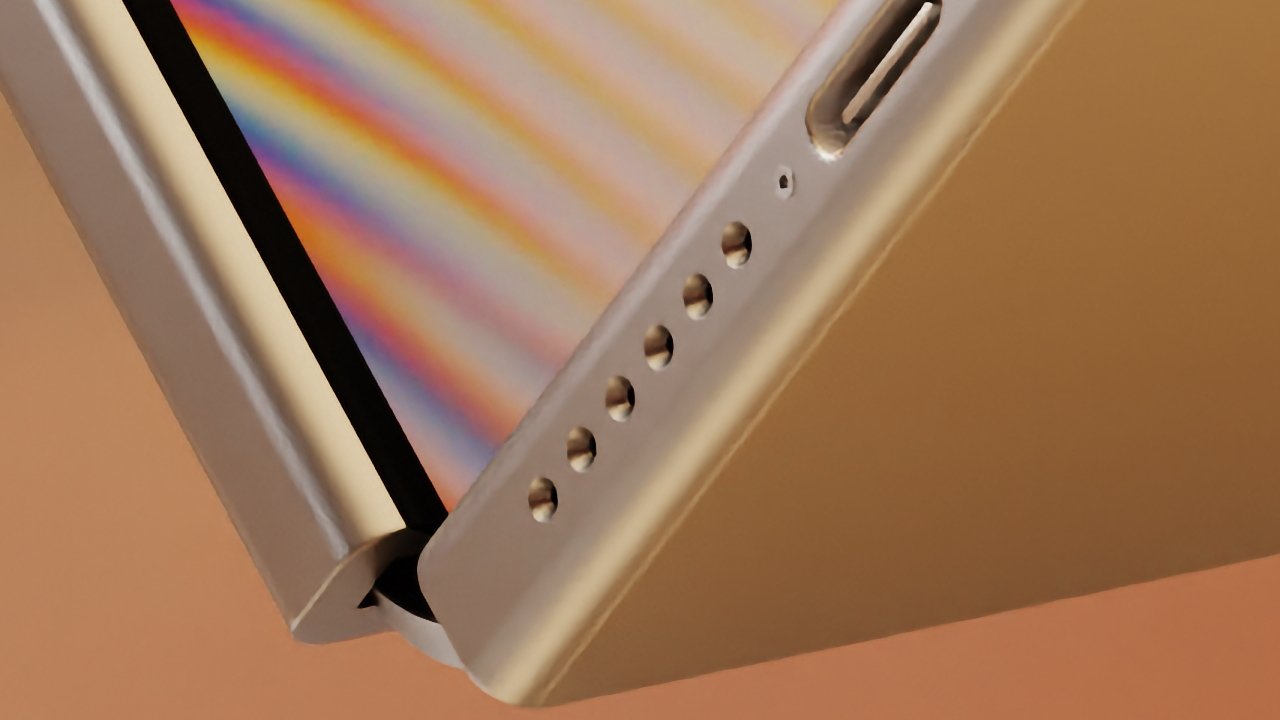
Later this month, Apple will release a new MacBook Pro powered by its next-generation M6 chip. The upcoming 14-inch model retains the familiar industrial design while adding three key improvements under the hood. Here’s what to expect.
What’s New in the M6 MacBook Pro
Doubled Neural Engine for AI Tasks
One of the most significant changes comes in the Neural Engine. Whereas past M-series chips featured a single 16-core Neural Engine, the M6 will include a “Dual 16-core Neural Engine” to double peak compute. This enhancement is aimed at accelerating on-device AI workflows, especially with the increasing AI features embedded in macOS 27. Both engines can work in tandem to boost model performance significantly.
Upgraded CPU & GPU Core Counts with New Core Types
The base configuration of the M6 chip bumps up both its CPU and GPU to 12 cores each—up from 10 cores in the M5. More intriguingly, the CPU design introduces three distinct core types for the first time in a standard Mac chip. It includes 2 “super” cores engineered for blazing single-threaded performance, 4 “performance” cores for multi-thread workloads, and 6 efficiency cores to handle lighter background tasks. These core types were previously reserved for Apple’s higher-end M5 Pro, Max, and Ultra chips, but now go mainstream with the M6.
Built on a Cutting-Edge 2nm Process for Efficiency Gains
The M6 is Apple’s first chip manufactured on a 2-nanometer process node, delivering what the company calls a major leap in both power efficiency and performance. While the new Mac mini—already announced with the M6—is plugged in and therefore not impacted by battery constraints, the improved efficiency should allow future M6 Macs, particularly portables like this new MacBook Pro and upcoming Air models, to enjoy longer battery life.
These upgrades mark a meaningful jump from M5: the Neural Engine gets a full boost, core architecture becomes more nuanced, and the manufacturing process shift offers improved thermals and energy savings.
Broader Context & What to Watch
The 14-inch MacBook Pro is keeping Apple’s existing shell design, but the internals tell a different story. The new chip’s architecture brings the kind of pro-level processing power to its base model that was previously reserved for higher-tier chips. The dual Neural Engine points toward Apple banking heavily on AI as a core feature of the user experience going forward. Meanwhile, the 2nm process signifies Apple pushing the limits of efficiency—crucial in devices where battery life is a make-or-break feature.
Expect this launch to set the tone for Apple’s portable Mac lineup through 2027. The big question is whether these gains in efficiency will translate into significantly longer battery life, or if Apple will play it safe to maintain similar battery metrics. Also worth watching: pricing, thermal performance, and whether this version becomes the baseline for future Pro/Max models.
Why It Matters
This launch represents Apple’s push to blur the lines between base and pro. By bringing Neural Engine, core count, and efficiency upgrades to what was once considered entry-level Pro territory, Apple is redefining what users should expect from mainstream laptops. For those in creative, AI, or multitasking-heavy workflows, the M6 MacBook Pro may be the sweet spot: high performance without the price tag of top-tier configurations. Going forward, battery life will be the defining metric to prove whether these upgrades deliver not just more speed, but smarter efficiency.