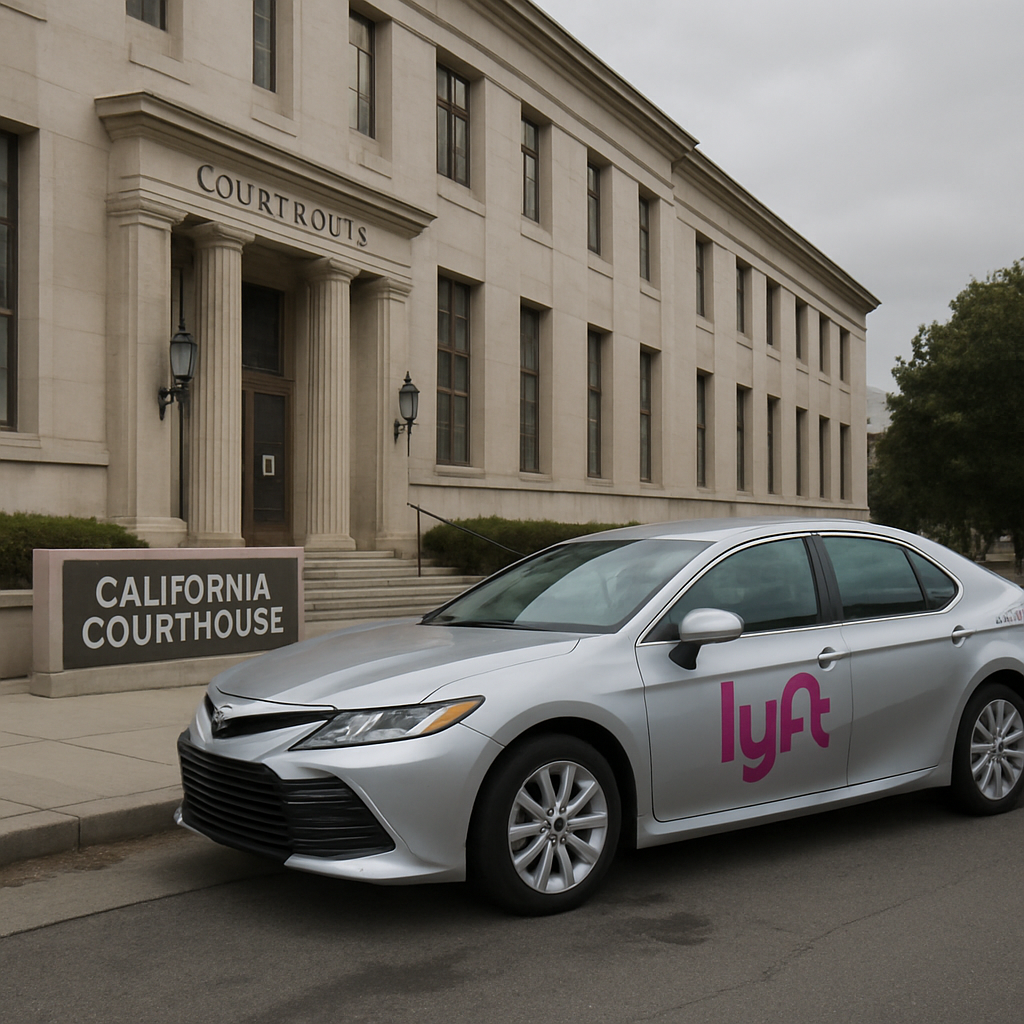
Lyft has agreed to pay $272.5 million to resolve a lawsuit lodged by California authorities accusing the ride-hail company of misclassifying drivers as independent contractors. The settlement addresses violations spanning from April 6, 2016 through December 15, 2020. During that interval, Lyft was alleged to have denied drivers rights to minimum wage, overtime, paid sick leave, and timely wage payments—benefits typically required of full employees under state law.
Legal Background & Key Turning Points
The lawsuit was brought by the California Labor Commissioner’s Office in August 2020. The case accused Lyft of improperly avoiding the responsibilities and protections afforded to employees, despite state laws that would have required precisely that treatment for drivers. By late 2021, similar suits were coordinated in San Francisco Superior Court, including actions from the state attorney general, city attorneys across several major cities, and others under California’s Private Attorneys General Act.
These legal disputes arose during a period when California was debating how app-based companies should classify gig workers. The state passed Assembly Bill 5 (AB 5) in 2019, which aimed to force many gig economy firms to treat their contractors as employees. However, later in 2020, voters approved Proposition 22, a ballot initiative that exempted companies like Lyft and Uber from AB 5’s requirements. Prop 22 allowed such firms to continue labeling drivers as contractors—but with new protections layered in.
Settlement Impact & Lyft’s Position
The proposed settlement must still receive judicial approval. Lyft maintains that most drivers have preferred contractor status, and that the passage of Proposition 22 validated that preference while adding some protections. The company also claims it has already exceeded Prop 22’s minimum in certain areas—citing for example its implementation of a fee cap. Lyft says it believes the drivers were always properly classified under law, and that the settlement allows it to avoid a protracted legal fight and focus on service and earnings.
The settlement is specific to alleged violations before December 2020—prior to Prop 22 going into effect. Since the new law became binding, the regulatory landscape has shifted; Lyft asserts it is complying with its new obligations under Prop 22, which governs operating norms for ride-hail companies in California post-2020.
While this deal brings this chapter to a close for Lyft in California, the company still has parallels unfolding in Uber’s case—Uber faces a similar lawsuit from the California Labor Commissioner’s Office. The outcome of Lyft’s agreement may influence upcoming rulings or settlements involving other players in the rideshare space.
Beyond the financial hit, Lyft’s agreement shows how public policy, voter sentiment, and litigation interact in defining gig economy norms. What happens next—how courts approve the deal, how Uber’s case resolves, and how regulatory enforcement evolves—could set the bar for how companies balance flexibility, worker protections, and legal compliance in gig work models.