Loop Secures $95 Million to Revolutionize Supply Chain Management with AI
In the complex and often unpredictable world of global supply chains, San Francisco-based startup Loop is making significant strides by leveraging artificial intelligence (AI) to not only diagnose but also predict and prescribe solutions for potential disruptions. This innovative approach has recently attracted a substantial $95 million in Series C funding, underscoring the growing confidence in AI-driven supply chain solutions.
A Vision for Proactive Supply Chain Management
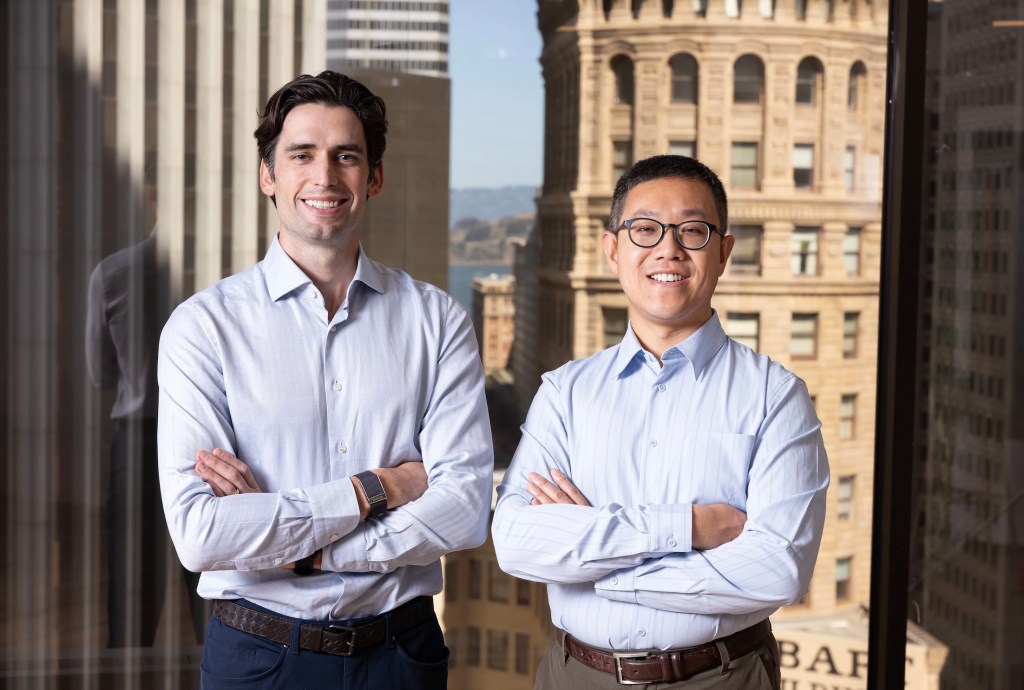
Loop’s co-founder and Chief Technology Officer, Shaosu Liu, draws an analogy between their AI-driven platform and an ideal healthcare provider. He explains, I do an annual checkup, and it’s like, oh I should be walking more. But that’s not the end goal, right? The end goal is someone teaching me about nutrition, someone teaching me about longevity. This perspective highlights Loop’s commitment to not just identifying issues but proactively guiding companies toward long-term supply chain health and efficiency.
Impressive Backing from Leading Investors
The recent funding round was led by Valor Equity Partners and the Valor Atreides AI Fund, with additional investments from 8VC, Founders Fund, Index Ventures, and J.P. Morgan’s late-stage fund, Growth Equity Partners. This diverse group of investors reflects a strong belief in Loop’s potential to transform supply chain management through AI.
Strategic Allocation of New Capital
With the fresh influx of capital, Loop plans to significantly expand its engineering team. Both Liu and co-founder and CEO Matt McKinney, who previously collaborated at Uber, recognize the critical importance of top-tier engineering talent in advancing their AI capabilities. This strategic focus on talent acquisition is aimed at enhancing Loop’s ability to develop and implement cutting-edge AI solutions for supply chain management.
Addressing the Volatility of Global Supply Chains
The current global landscape presents numerous challenges for companies with extensive supply chains. This volatility has spurred increased investment in startups that utilize AI to adapt and thrive. For instance, Deliverr’s founder, Harish Abbott, secured an $85 million Series A round to automate tasks for freight shippers and carriers. Similarly, Amari AI, founded by former Google and LinkedIn engineers, emerged from stealth mode with the goal of modernizing outdated systems used by customs brokers. Established players like Uber Freight and Flexport are also making significant AI advancements. Notably, Ryan Petersen, Flexport’s founder and CEO, is an early investor in Loop, further validating the startup’s approach.
Loop’s Unique Value Proposition
Loop’s core offering is the transformation of unstructured data—such as PDFs without optically recognized characters, handwritten notes, and digital messages—into structured formats that facilitate automation. This is achieved through a sophisticated system that coordinates multiple AI models, some developed internally and others sourced from leading AI research. By structuring this data, Loop enables its clients to identify inefficiencies, mitigate risks of over- or under-supplying products, and ultimately save substantial amounts of money and time.
Beyond Diagnostics: A Predictive Approach
While many solutions focus on diagnosing existing problems, Loop aims to go further by predicting potential issues before they arise. To achieve this, the company is integrating with clients’ enterprise resource planning software, transportation management systems, and gathering data from suppliers, warehouses, and other critical components of the supply chain. This comprehensive data integration allows Loop to provide predictive insights, enabling companies to proactively address potential disruptions.
Investor Confidence and Industry Validation
Antonio Gracias, founder, CEO, and chief investment officer of Valor Equity Partners, expressed strong support for Loop’s approach. He stated, Loop went deep into one of the hardest parts of the supply chain and turned it into an advantage for their customers. Through the AI systems they’ve built, they’re taking data that was previously fragmented and inaccessible and are turning it into intelligence that improves cost, processes, and working capital. That foundation extends into other operational and financial functions, which is why Loop is positioned to become the intelligence layer of the entire supply chain.
Liu views Valor’s backing as a significant endorsement, especially considering Valor’s substantial investments in AI ventures like Elon Musk’s xAI. He noted that Valor conducted thorough due diligence on Loop’s business model, emphasizing the startup’s unique position in the market. They have access to the top AI researchers, and a visionary in the space, Liu said, referring to Musk. I think it’s very clear that no one’s really going after the domain we are going after with the same rigor, with the same talent.
Accelerating Innovation Amid Rapid Technological Advancements
McKinney and Liu founded Loop with the belief that the necessary AI technology to revolutionize supply chain management would not be the limiting factor. They anticipated that such technology would reach a tipping point around 2030. However, advancements have accelerated, bringing that future closer to the present. McKinney views this rapid progress as an opportunity to deliver even greater value to clients, offering higher savings, reduced risk, and enhanced resilience in an unpredictable world.
Our belief is that this is one of those points in time where the companies that really lean in, their advantage is going to compound. I think the companies you’re going to look at in the next decade that [survive] are the companies that really accelerated in this 12-month period, McKinney stated.
The Broader Context: AI’s Role in Supply Chain Management
Loop’s innovative approach is part of a larger trend where AI is increasingly being applied to supply chain management. Companies like Everstream Analytics have secured significant funding to provide predictive insights for physical supply chains, applying AI to assess materials, suppliers, and facilities for risk. Similarly, Pando has raised substantial investments to develop fulfillment management technologies, signaling robust interest in AI-driven supply chain solutions.
Conclusion
Loop’s recent $95 million funding round marks a significant milestone in the evolution of supply chain management. By harnessing the power of AI to predict and prescribe solutions for potential disruptions, Loop is positioning itself as a leader in transforming how companies navigate the complexities of global supply chains. With strong investor backing and a clear vision for the future, Loop is poised to make a lasting impact on the industry.