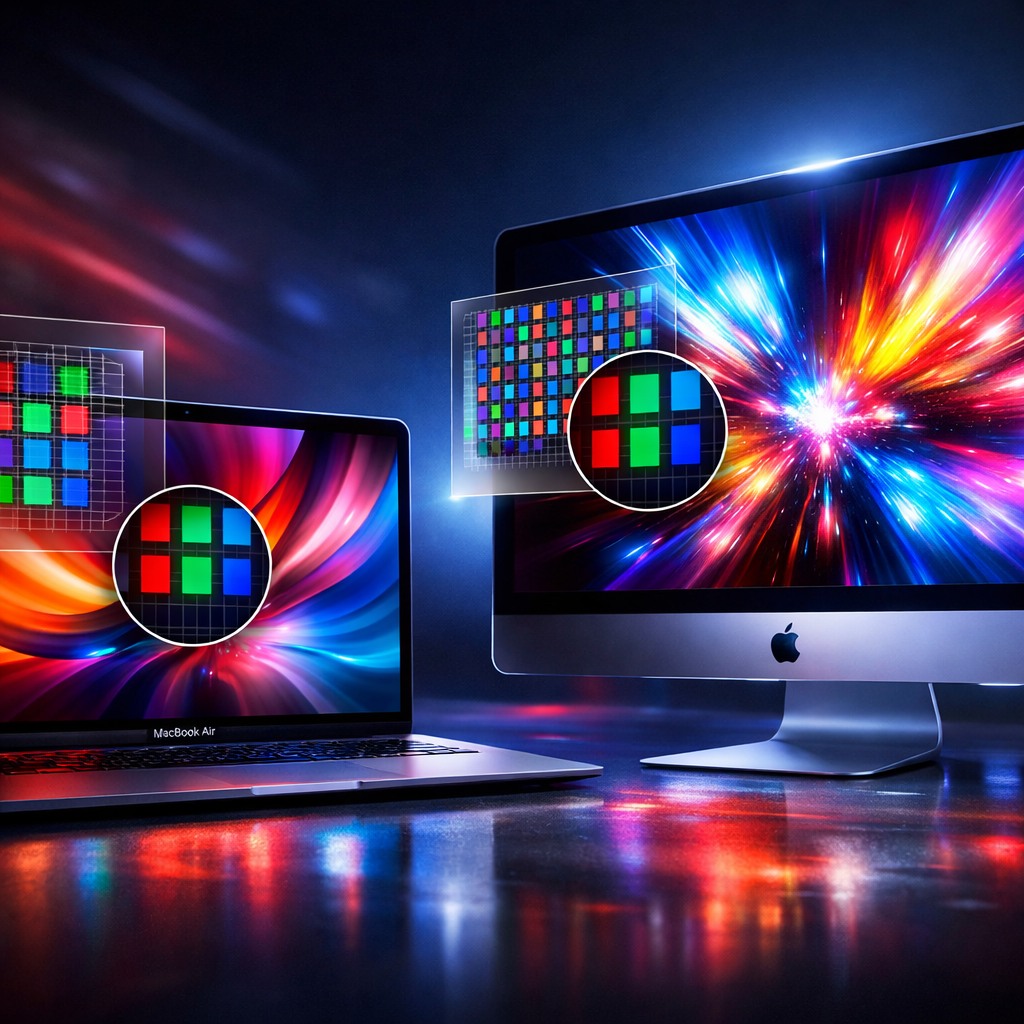
LG Display has developed a new OLED panel manufacturing method called FLiPP that could make future Macs, including the MacBook Air and iMac models, significantly brighter, longer-lived, and more energy efficient. The innovation, announced in August 2026, aims to remove traditional fine metal mask (FMM) processes, boosting display performance metrics that could be especially valuable for Apple when OLED becomes more widespread in its Mac lineup. Reports suggest these traits may arrive in Macs around 2030 and could affect the cost and feasibility of some planned models.
What Is FLiPP and Why It’s a Game-Changer
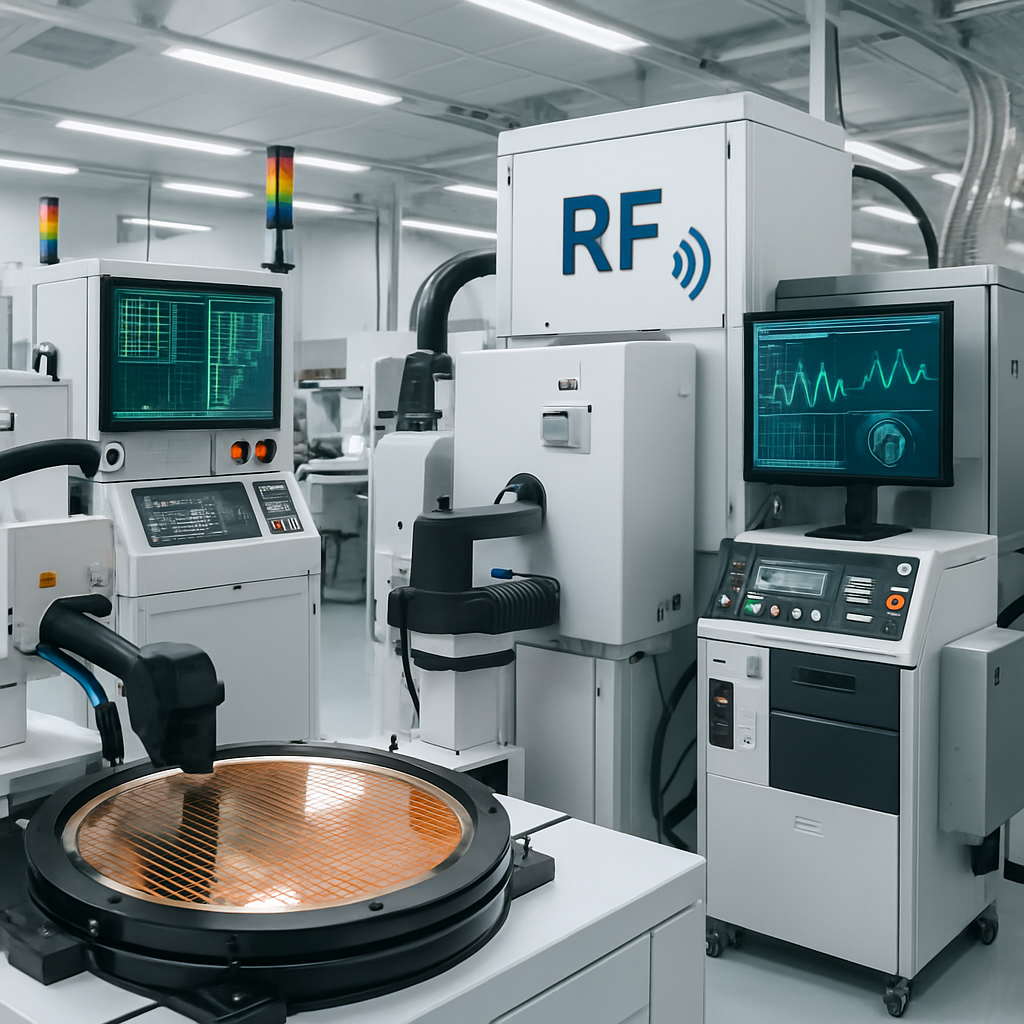
FLiPP (FMM-Less Innovative Pixel Patterning) replaces metal masks—the stencil-like components used to define individual OLED subpixels—with a photolithography-based approach. This allows each red, green, and blue element to be more densely packed, increasing the “aperture ratio,” or the portion of each pixel that emits light. The result: displays that are around 1.6× brighter, with about 2.4× longer lifespans, and that use roughly 13% less power. These improvements also reduce wasted material, especially when producing large panels for laptops and desktops.
How Apple Fits Into the Picture
Earlier this year, Apple was reported to be testing OLED panels for both the MacBook Air and iMac, though neither change is imminent. New versions of these machines expected in the short term will continue to use LCD screens. OLED upgrades are more likely to arrive in later generations. For instance, the iMac has been projected to make the switch in 2029 or 2030. Apple also asked LCD panel suppliers like BOE to quote for non-OLED panels for the iMac during that timeframe, suggesting it’s keeping options open. One major reason: OLED panels, especially with newer technologies like tandem layers or improvements in panel architecture, are costly, and the iMac line does not sell in volumes comparable to laptops or phones.
Obstacles: Cost, Demand, and Strategy
Despite the potential performance gains, Apple may delay or even cancel certain OLED plans—especially for iMacs. The two main concerns are high panel costs and uncertain consumer demand. The OLED iPad Pro, for example, adopted tandem OLED displays in 2024 but reportedly failed to hit sales targets, possibly because of price increases tied to the display hardware. Lower than expected demand for these models has raised red flags throughout Apple’s hardware roadmap.
Another factor is leadership changes. Since John Ternus assumed the role of CEO in September 2026, the company appears to be reviewing whether the OLED path across Macs justifies its higher costs. For example, design targets set in past years asked for a 24-inch iMac with 600 nits brightness and roughly 218 PPI, with samples from display manufacturers in development. But with panel prices high and demand shaky, those targets may shift or be postponed. Apple may lean on LCD panels for some models if OLED prices don’t fall.
FLiPP’s abilities—especially brighter screens at lower power—could offer major benefits if Apple can adopt it. Still, the potential delay or cancellation of OLED iMac models underscores how tight the margin is between innovation and practical economics.
What It Means & What to Watch: If FLiPP panels reach Macs by 2030, users could see displays with far higher brightness, longer lifespan, and better battery life from laptops. However, higher costs and lukewarm demand for current OLED Macs suggest Apple may pause or reengineer its plans. Watch for supply-chain signals and conference reveals to see if FLiPP will make the cut—and which Mac models will lead the transition.