Level Home, the company behind the innovative Level Lock smart locks, is facing significant upheaval following substantial layoffs. The majority of its workforce has been dismissed, and the company is being integrated into Assa Abloy’s Kwikset brand. This restructuring has raised concerns about the future of Level’s products and services.
Assa Abloy, a global leader in access solutions, acquired Level Home in 2023. The recent decision to lay off most of Level’s staff and merge its operations with Kwikset suggests a strategic shift within the parent company. While Assa Abloy has stated that existing Level Lock products will continue to function, the long-term support and development of these products remain uncertain.
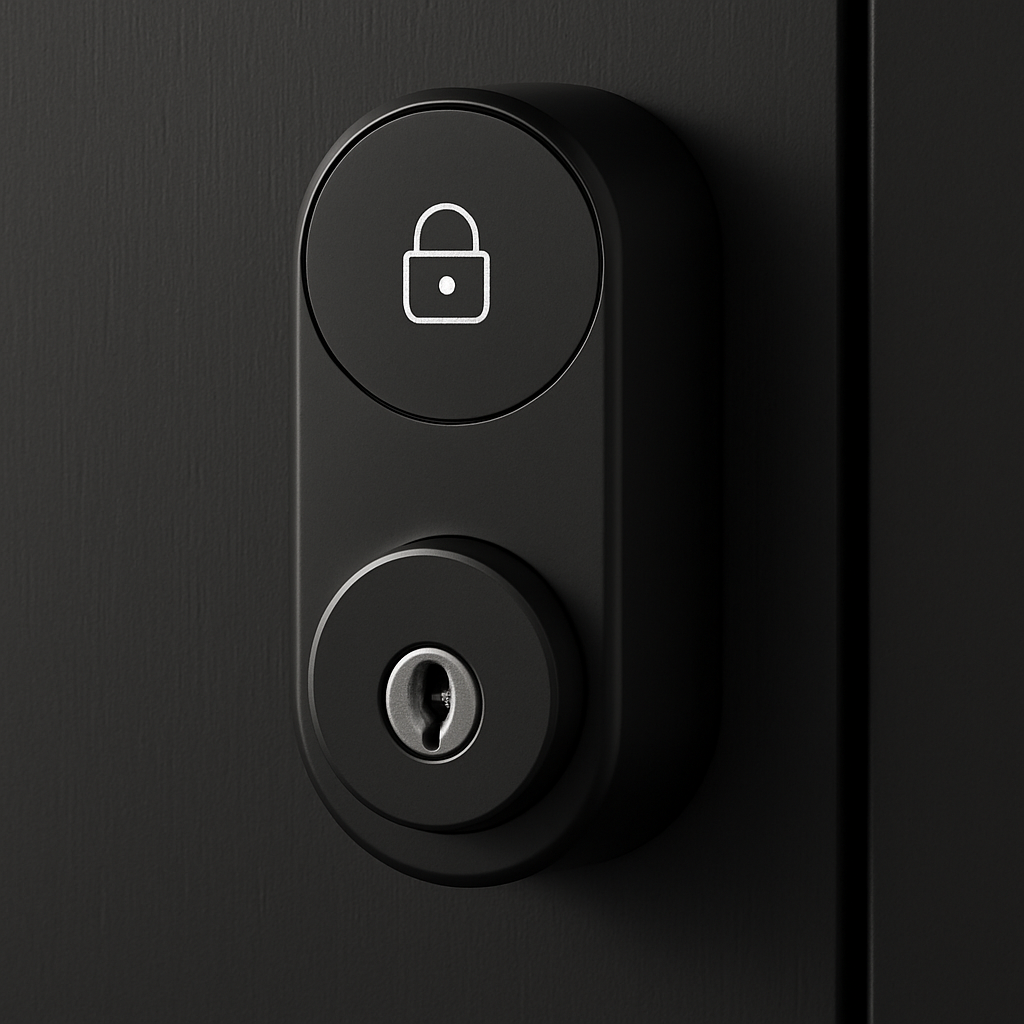
Level Home gained recognition for its sleek, minimalist smart locks that seamlessly integrated with Apple HomeKit and supported features like Home Key, allowing users to unlock doors using their iPhones or Apple Watches. The company’s emphasis on design and functionality set it apart in the competitive smart home market.
The layoffs at Level Home are part of a broader trend of restructuring within the tech industry. For instance, in 2025, Blue Origin, Jeff Bezos’ aerospace company, announced a 10% reduction in its workforce to cut costs and streamline operations. Similarly, fintech startup Level abruptly shut down after a failed acquisition attempt, leaving clients scrambling for alternatives. These examples highlight the challenges tech companies face in maintaining sustainable growth and adapting to market demands.
For current Level Lock users, the immediate functionality of their devices is not at risk. However, the future of software updates, customer support, and potential new features is now in question. Users should stay informed about any announcements from Assa Abloy regarding the Level product line.
This development underscores the volatility in the smart home industry, where rapid innovation is often accompanied by corporate restructuring. Consumers investing in smart home technology should consider the stability and long-term viability of the companies behind these products to ensure continued support and integration within their smart ecosystems.