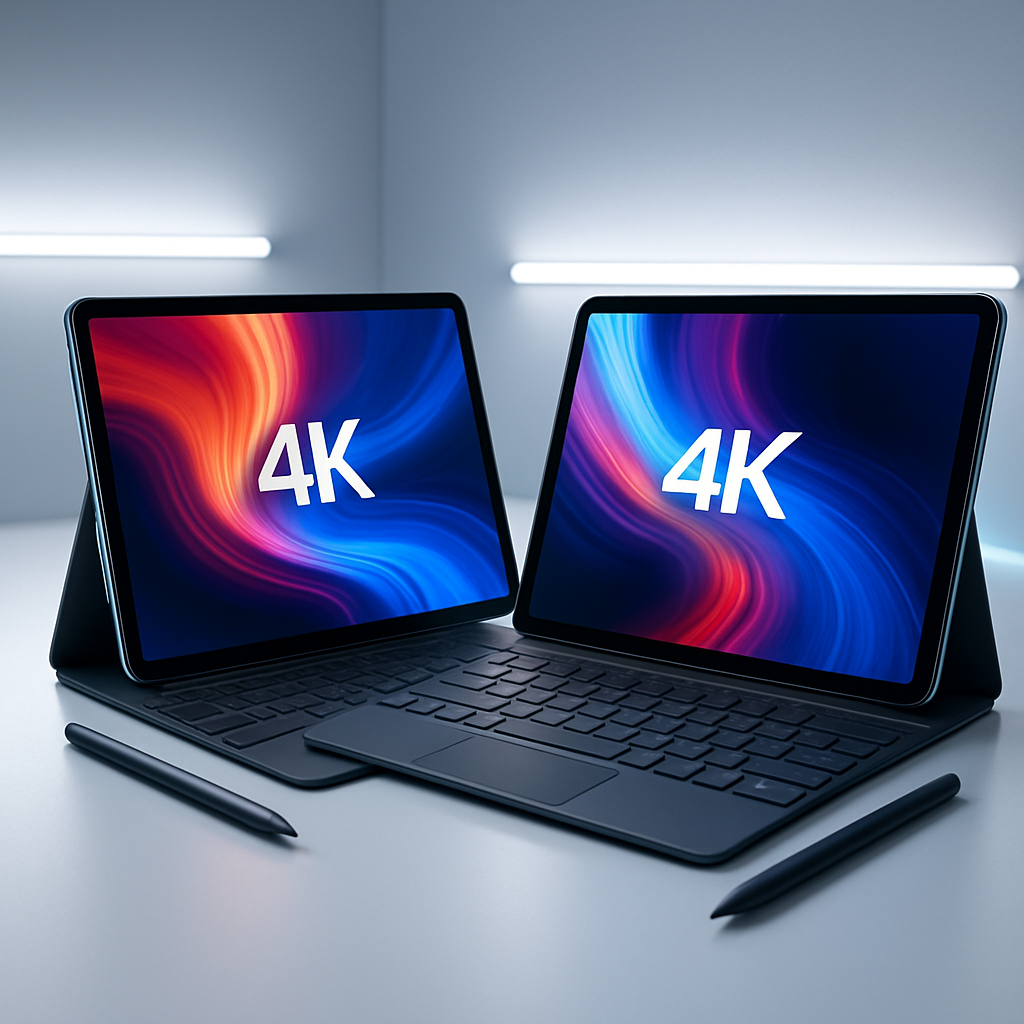
Lenovo has revealed its next generation of Yoga tablets at IFA 2026, rolling out two high-end options packed with premium displays, powerful chips, and extended update promises. These fresh Android tablets are due later this month and aim straight for users who want high specs without compromise.
Specs: Screen, Power, and Storage
The standard Yoga Tab Gen 2 features an 11.1-inch 4K display powered by a MediaTek Dimensity 9500s processor. It comes with up to 12 GB of RAM, your choice of 128 GB or 256 GB storage (expandable via microSD), and an 11,000 mAh battery. All while keeping a slim profile at 8.56 mm thick.
The newer Yoga Tab Plus Gen 2 ramps things up: a larger 13-inch 4K display, Qualcomm’s powerful Snapdragon 8 Elite chip, and either 12 GB RAM / 256 GB storage out of the box—or bumps up to 16 GB / 512 GB + microSD. It also has a beefier 12,700 mAh battery and is slightly thinner at 8.27 mm.
Features, Software, and Updates
Both tablets launch with Android 17 and include Lenovo’s custom AI suite. Stylus support gets a boost via the Tab Pen Pro 2: new tricks include “Squeeze to Create,” double-tap and tail-click gestures for drawing or recording, and flipping to erase. Both tablets also work with accessory keyboards, with the Plus model introducing a magnetic keyboard clamshell design.
One standout is Lenovo’s commitment to longevity: Android OS updates through Android 24, and security patches extending until 2033—which totals seven years of software support. Also, each tablet includes a rear LED / screen accent intended as a decorative element that can sync with media and games.
Pricing and Availability
The Yoga Tab Gen 2 is priced at $729.99, while the Yoga Tab Plus Gen 2 carries a $999.99 tag. Both are expected to ship later in September 2026.
What this means going forward: Lenovo is signaling it’s doubling down on long-term value in Android tablets. With flagship chips, 4K panels, stylus features, and seven years of updates, these tablets aim not just to impress on specs—but to compete on durability and feature depth. Consumers should watch how real-world performance holds up, especially battery drain on 4K displays, and whether Lenovo follows through on its ambitious update and support timeline.