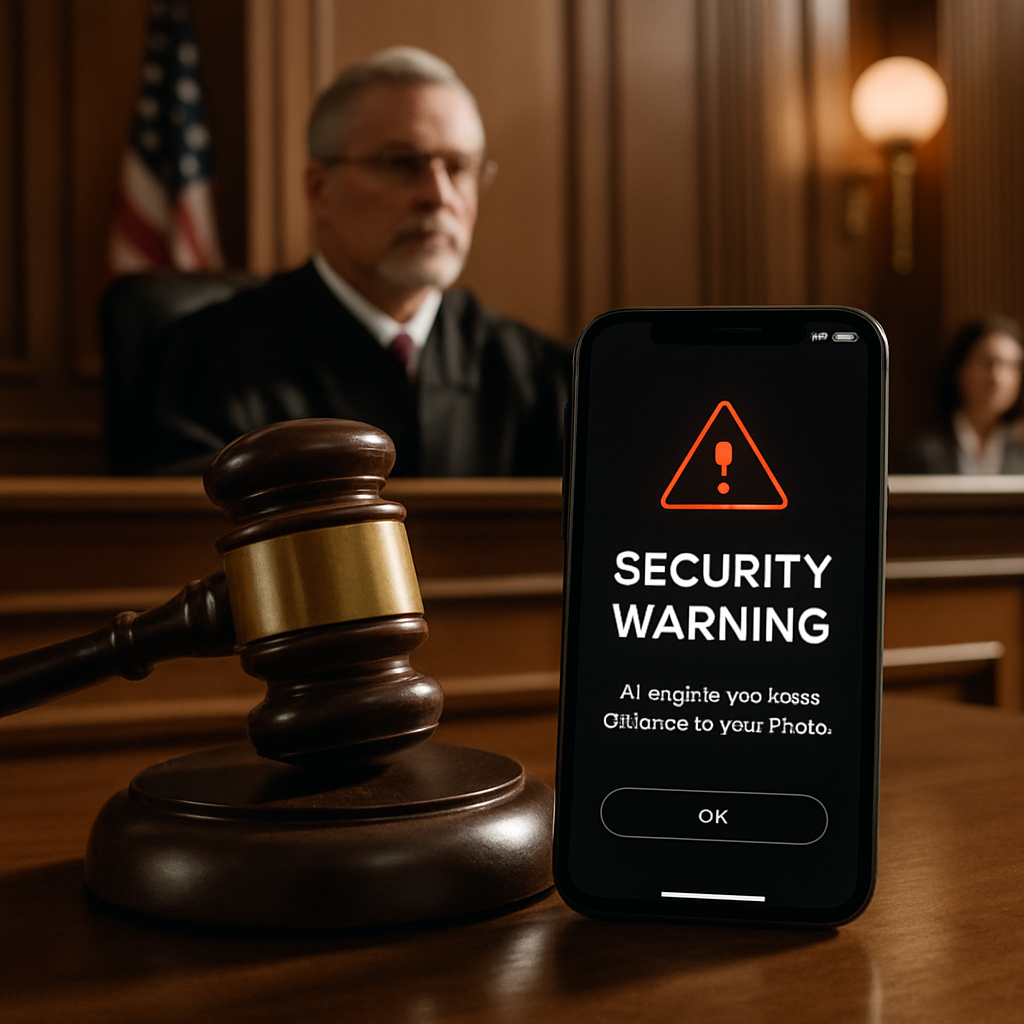
A recent legal dispute has emerged over the ownership and dissemination of an iPhone exploit, raising significant questions about the boundaries of security research and intellectual property rights.
Magnet Forensics, a company specializing in digital investigation software, has taken legal action against an individual who publicly disclosed an iPhone exploit. The company contends that this exploit was not the result of independent research but rather a misappropriated trade secret belonging to them.
U.S. District Judge Victoria Marie Calvert has intervened by granting a preliminary injunction, mandating the removal of the exploit from public access. This decision underscores the court’s recognition of the potential proprietary nature of the information and the need to prevent its unauthorized distribution.
This case brings to the forefront the ongoing debate within the cybersecurity community regarding the ownership of security vulnerabilities and exploits. While independent researchers often argue that sharing such information is vital for improving security and fostering transparency, companies like Magnet Forensics assert that certain discoveries constitute proprietary information, especially when they are the result of significant investment and research.
The outcome of this legal battle could have far-reaching implications for the field of cybersecurity. It may influence how security research is conducted, shared, and protected, potentially leading to more stringent controls over the dissemination of vulnerability information. This, in turn, could impact the collaborative nature of the cybersecurity community and the speed at which security flaws are addressed.
As the case progresses, it will be crucial to monitor how the court balances the interests of protecting intellectual property with the broader goal of maintaining robust and transparent security practices. The resolution may set a precedent for how similar disputes are handled in the future, affecting researchers, companies, and consumers alike.