Several leading AI companies, including Hugging Face, Meta, Microsoft, Mistral, and Nvidia, have collectively urged policymakers to avoid imposing broad restrictions on open-weight AI models. This appeal comes as the U.S. government deliberates on its response to allegations that Chinese AI labs are misappropriating intellectual property from American counterparts and rapidly advancing their capabilities.
The joint letter emphasizes the importance of distinguishing between legitimate model-development techniques and unlawful activities. It highlights that distillation—a method where one model’s outputs assist in training another—is a widely accepted practice that fosters innovation. The companies caution against conflating such techniques with misappropriation, advocating for targeted legal and commercial measures to address specific concerns rather than implementing sweeping restrictions that could hinder AI progress.
Additionally, the letter addresses concerns that open-weight models might be exploited for malicious purposes due to their accessibility. The signatories argue that open models are crucial for cybersecurity, enabling defenders to detect, simulate, and respond to emerging threats effectively. They contend that open models enhance defensive capabilities, increase transparency, and facilitate the identification and remediation of vulnerabilities across various teams.
This industry stance follows reports that the U.S. administration is considering banning Chinese open-weight models and potentially sanctioning Chinese AI companies. The White House has accused Moonshot AI of using distillation techniques to replicate Anthropic’s Fable model in developing its Kimi K3 model. However, the AI companies’ letter suggests that a total ban on Chinese models and broad restrictions on open-weight AI could stifle innovation and collaboration within the global AI community.
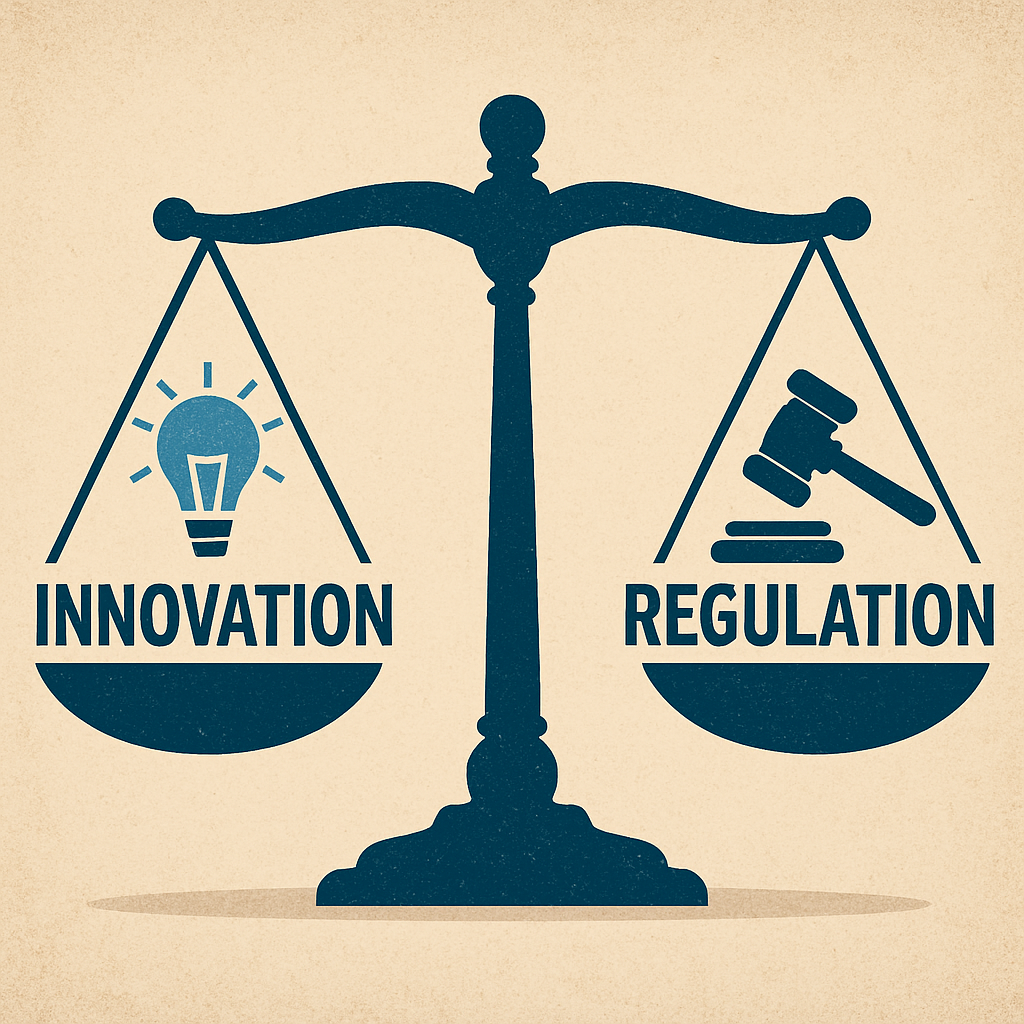
In the broader context, the debate over open-weight AI models underscores the delicate balance between national security concerns and the need for open collaboration in technological advancement. While protecting intellectual property is vital, overly restrictive measures could impede the collective progress that open-source initiatives have historically driven. Policymakers must carefully navigate these considerations to foster an environment that encourages innovation while safeguarding national interests.