Jon Prosser’s Legal Battle with Apple: A First Amendment Defense
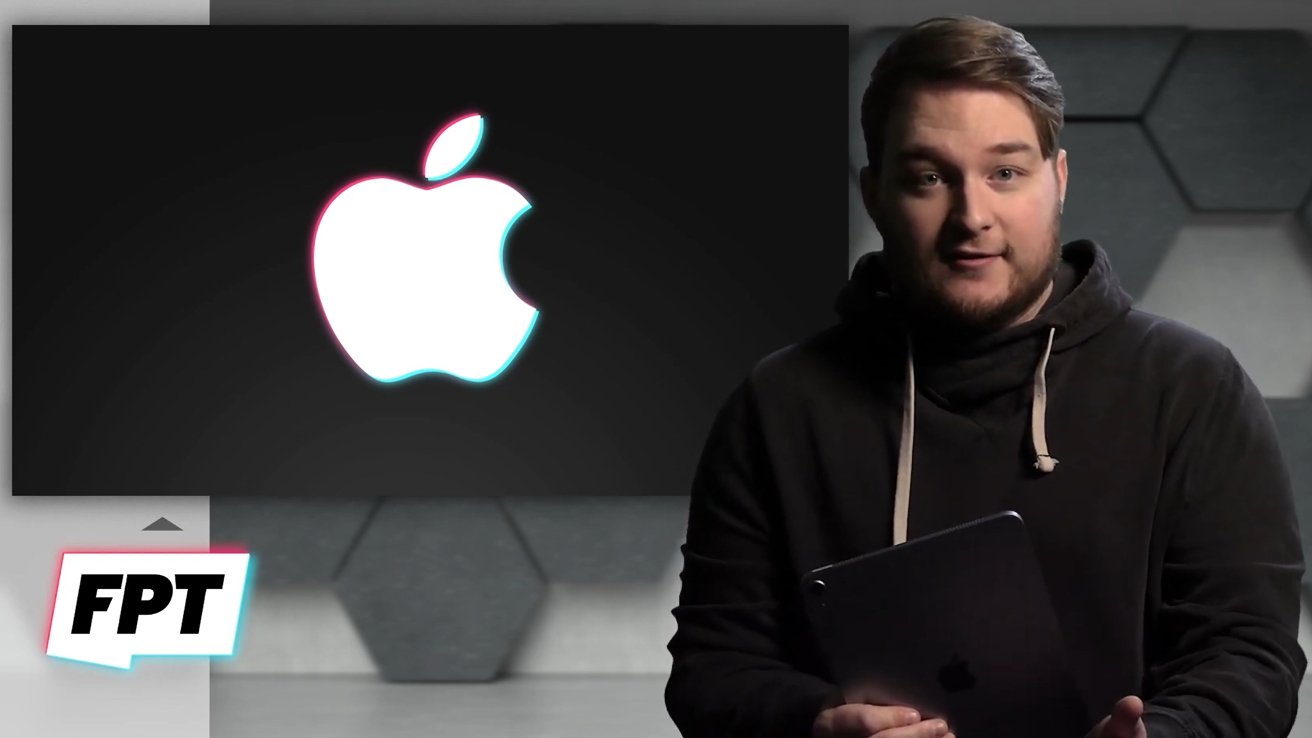
Jon Prosser, the proprietor of Front Page Tech, is currently embroiled in a legal dispute with Apple Inc. The tech giant has filed a lawsuit against Prosser, alleging that he unlawfully obtained and disseminated confidential information regarding Apple’s upcoming iOS 26, specifically its Liquid Glass redesign. In response, Prosser is invoking the First Amendment, asserting that his actions are protected under the right to free speech.
Background of the Case
In April 2025, Prosser released videos showcasing what he claimed were designs of the yet-to-be-announced iOS 26. These videos featured artist renderings rather than actual screenshots, purportedly to protect his source. However, Apple contends that Prosser, along with his associate Michael Ramacciotti, accessed a development iPhone belonging to Apple employee Ethan Lipnik without authorization. The company alleges that Ramacciotti used Lipnik’s device to display iOS 26 features to Prosser via a FaceTime call. Lipnik was subsequently terminated for failing to secure the development device as per company policy.
Apple’s Allegations
Apple’s lawsuit, initiated in July 2025, accuses Prosser and Ramacciotti of misappropriating trade secrets. The company claims that the duo accessed a significant amount of confidential information that had not been publicly disclosed. Apple is seeking an injunction to prevent further leaks and is demanding a jury trial to determine damages.
Prosser’s Defense
Prosser’s defense hinges on the First Amendment, which protects freedom of speech and the press. He argues that journalists have the right to report on credible information, even if the initial source acquired it illegally, provided the journalist did not participate in the illegal acquisition. This legal principle has been upheld in various cases, allowing journalists to publish information of public interest obtained from sources who may have acted unlawfully.
Challenges to Prosser’s Defense
However, Apple’s lawsuit suggests that Prosser may have been complicit in the unauthorized access. The company alleges that Prosser proposed the scheme and encouraged Ramacciotti to access Lipnik’s device. If evidence supports these claims, Prosser’s First Amendment defense could be undermined, as active participation in the illegal acquisition of information is not protected under free speech rights.
Legal Proceedings and Discovery
The legal proceedings have been protracted, with discovery—the pre-trial phase where both parties exchange information—facing delays. Apple has expressed frustration over incomplete responses from Prosser, which have stalled progress in the case. In contrast, Ramacciotti has cooperated by providing devices for forensic review and agreeing to supplementary responses and depositions.
Potential Settlement and Ongoing Discussions
In October 2025, reports indicated that Ramacciotti was in discussions with Apple regarding a potential settlement. His legal team described him as a lifelong Apple fanboy who failed to appreciate the value and nature of the information he accessed. They emphasized that there was no intent to monetize the information and that Ramacciotti had provided Apple with full access to his devices and communications.
Prosser’s Public Statements
Despite the ongoing legal battle, Prosser has continued to produce content related to Apple leaks on his YouTube channel. He has publicly denied ignoring the lawsuit, stating that he has been in active communication with Apple since the beginning stages of the case. However, court records indicate that he missed deadlines to respond to Apple’s complaint, leading the court to proceed without his input.
Implications for Journalism and Tech Reporting
This case highlights the complex interplay between journalistic freedom and corporate confidentiality. While the First Amendment offers robust protections for the press, these rights are not absolute, especially when journalists are alleged to have participated in the unlawful acquisition of information. The outcome of this lawsuit could have significant implications for how tech journalists and leakers operate, potentially setting precedents for the boundaries of lawful reporting on confidential corporate information.
Conclusion
As the legal battle between Jon Prosser and Apple continues, the tech community watches closely. The case serves as a pivotal examination of the limits of free speech in the context of reporting on proprietary information. The next status update is scheduled for June 10, 2026, which may provide further clarity on the direction of this high-profile lawsuit.