With CEO John Ternus officially leading the company as of about a month ago, he’s already taking a much more active, “hands-on” role with Apple’s design teams—both industrial design and the human interface groups—according to those familiar with the matter.
Design Leadership Shift After Jeff Williams’ Departure
The shift began when Jeff Williams exited his role as COO. At that time, Apple announced its design units would report to Tim Cook, but in practice, they report to Ternus. As he stepped into the CEO role, this reorganization of responsibility was one of his early priorities.
Ternus Isn’t Just Overseeing—He’s Immersed
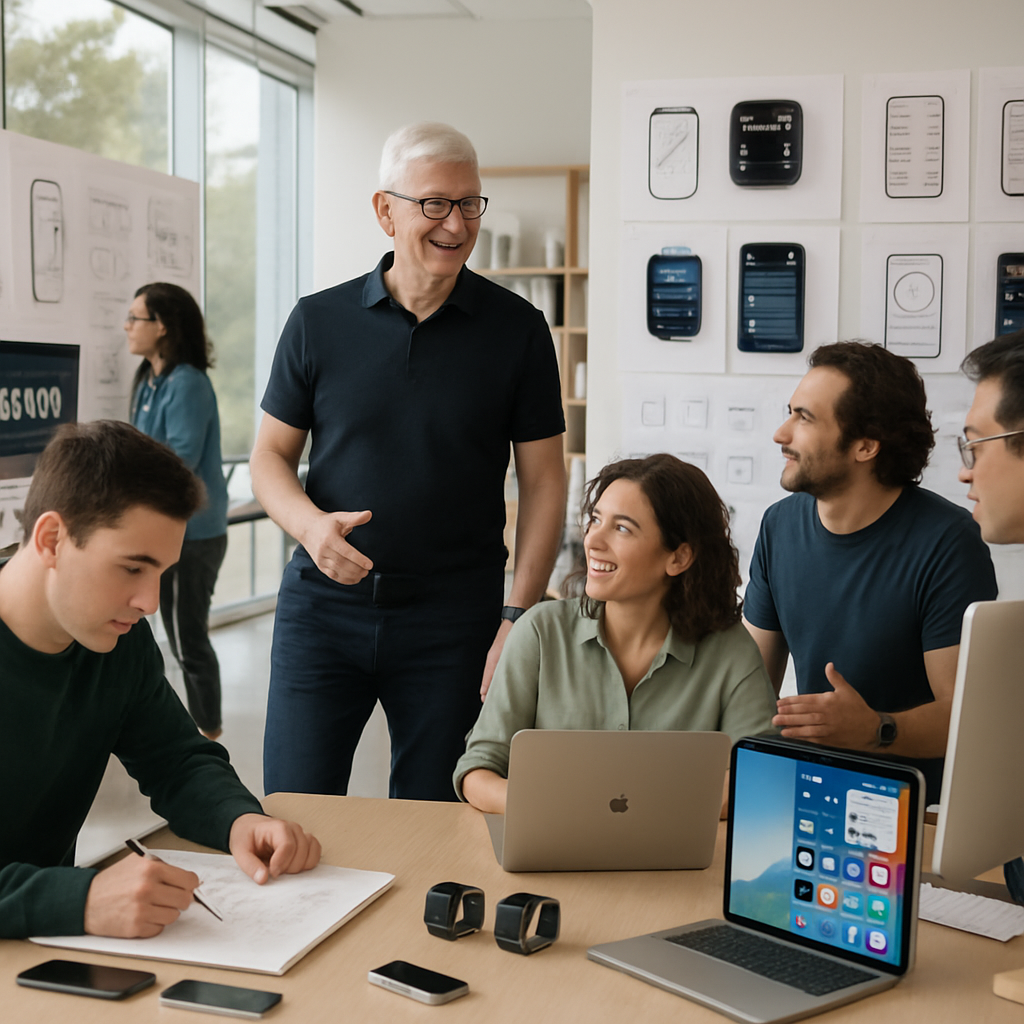
Sources say Ternus visits design studios multiple times per week, sometimes more than once in a day, actively working with teams. That’s a sharp contrast to the behavior of his predecessor, Tim Cook, who reportedly visited just once a month. This level of involvement is new for a CEO without a conventional design background.
Apple has been dealing with talent loss across design—Alan Dye moved on to Meta, and others left for OpenAI among various departures. In response, the company has promoted junior designers and brought in new creatives. The goal isn’t to find a replacement for Jony Ive in title; there are no current plans to hire a chief design officer. Instead, Molly Anderson (industrial design) and Steve Lemay (human interface) have emerged as leads in their domains, with Ternus as the ultimate decision-maker overseeing all of design.
Although Ternus comes from a hardware engineering background rather than formal design, the reports suggest he’s making design a core focus of his leadership. His frequent studio drop-ins and decisions to elevate internal talent indicate that design remains, and likely will remain, central to Apple’s strategy under his watch.
The broader context: since Ive’s departure in 2019, Apple has not had a singular design figurehead; Williams helmed aspects of design until his exit last year. With Ternus now formally in charge, the company appears to be consolidating design oversight at the top, while relying on internal leads to manage day-to-day creative work.
Why this matters: Apple’s design has long been a cornerstone of its identity and competitive edge. By moving design reporting directly under the CEO and playing an active role himself, Ternus is sending a signal that design won’t be sidelined as Apple expands into AI, visionOS, and beyond. This could mean tighter integration between form, interface, and cutting-edge tech in future Apple products. Keep an eye on how Anderson and Lemay shape their units—and how Ternus balances hands-on involvement with broader corporate responsibilities.