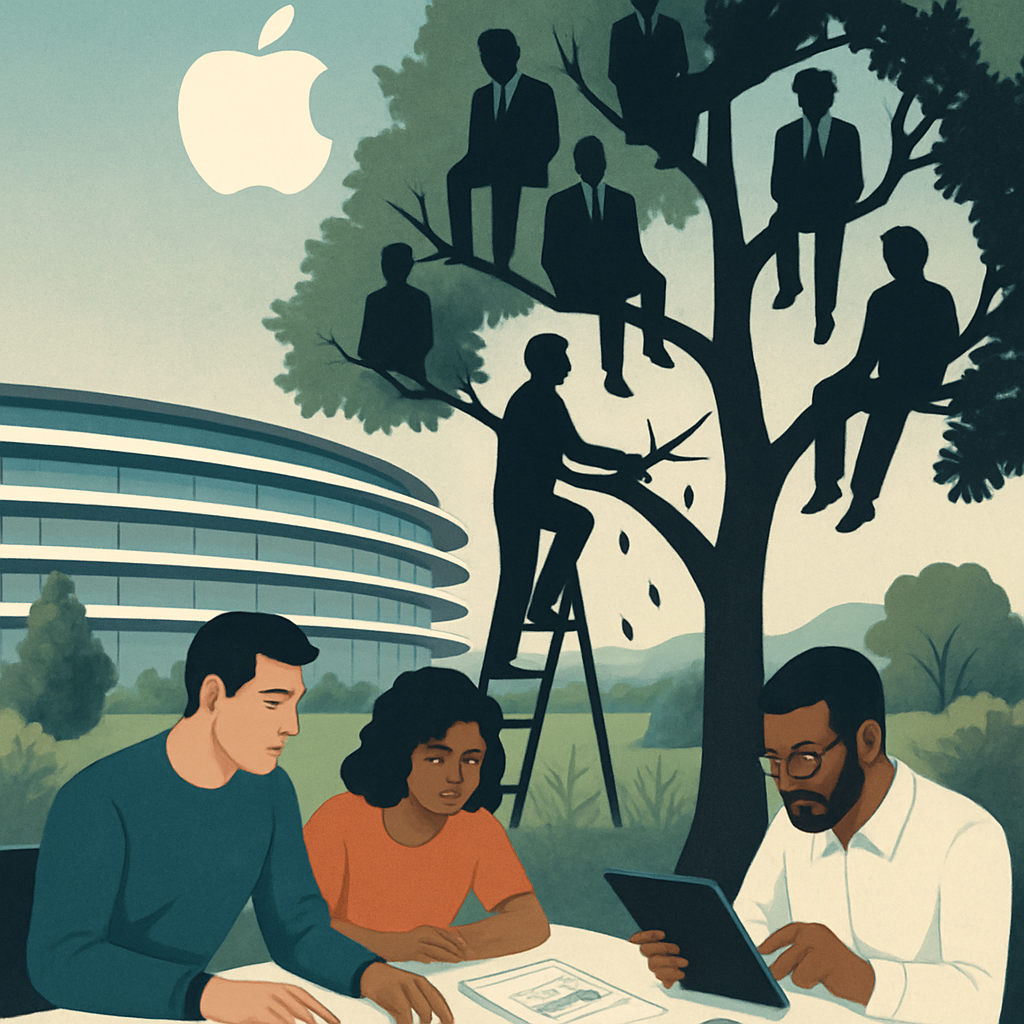
Apple’s newly appointed CEO, John Ternus, is pushing for a leaner, faster-moving company. He aims to overhaul the organization by flattening management layers, accelerating product releases, cutting costs, and expanding into new services. The goal: produce more innovations throughout the year—not just twice annually—and make engineering central to Apple’s operations.
Less Mid-Management, More Engineering Focus
One of Ternus’s primary shifts is simplifying Apple’s internal structure. The restructuring includes cutting out roles in middle management, especially in hardware-engineering and program management. This step is intended to reduce the number of decision layers between engineers and Apple’s top leadership. The changes so far have reportedly impacted several engineering program managers (EPMs) and directors, some of the company’s senior leader levels. Affected staff members are being asked to find other roles; those who can’t will be let go later this year.
Speeding Up the Product Pipeline and Exploring Services
Product release rhythm is getting an overhaul under Ternus. Apple is moving away from its traditional spring-and-fall launch cycles toward a more continuous flow of new devices. That approach will involve leaning into experimentation and tighter deadlines for product development. The company is reportedly dealing with “hectic” conditions internally, as teams are being pushed into faster delivery modes.
Simultaneously, there’s a renewed push to grow the services business. Alongside executives like Eddy Cue and CFO Kevan Parekh, Ternus plans to roll out new services offerings and generate more revenue from existing Apple products. Earlier considerations included laying off 5,000 AppleCare staff and replacing them with AI-powered agents, though those particular plans have been put on hold.
Cost Cuts and Push for Efficiency
Cost containment plays a big role in these changes. Besides reducing management layers, Apple has eliminated certain program manager roles across hardware engineering. Ternus has long pushed for fewer hires, more from its current teams, and scaling down what he sees as organizational bloat. A chart shown internally tracked headcount growth and narrowed productivity gaps, fueling this internal drive for efficiency.
While some cuts have already been implemented, others depending on internal role realignment or departures are anticipated later this year. The company is actively working to combine lean engineering teams with faster execution to get more done with fewer people or resources.
Under Ternus, Apple is aiming for a company culture more centered on engineering leadership, with streamlined decision-making, faster product rollouts, and sharper focus on services as growth engines.
Analysis: These changes reflect a significant shift from how Apple has historically operated—with rigid release schedules, many layers of management, and slow-moving product cycles. If successful, Ternus’s strategy could make Apple more responsive in fast-evolving tech markets. The risks are high: more frequent releases and reduced managerial oversight could strain teams and risk product quality. What to watch for next: how Apple maintains standards under tighter deadlines, whether consumers will see visible innovation sooner, and how well the services side scales under this portfolio-wide push toward revenue diversification.