Samsung is reportedly accelerating the release of its next Galaxy Z Trifold 2, positioning it as a strategic answer to Apple’s newly unveiled iPhone Duo. This move follows concerns over the impact Apple’s IP68-rated dual-screen device could have on Samsung’s foldable phone lineup. The Trifold 2 was originally expected to debut later, but recent signals suggest the launch timeline has been pulled forward.
The Challenge of IP Ratings
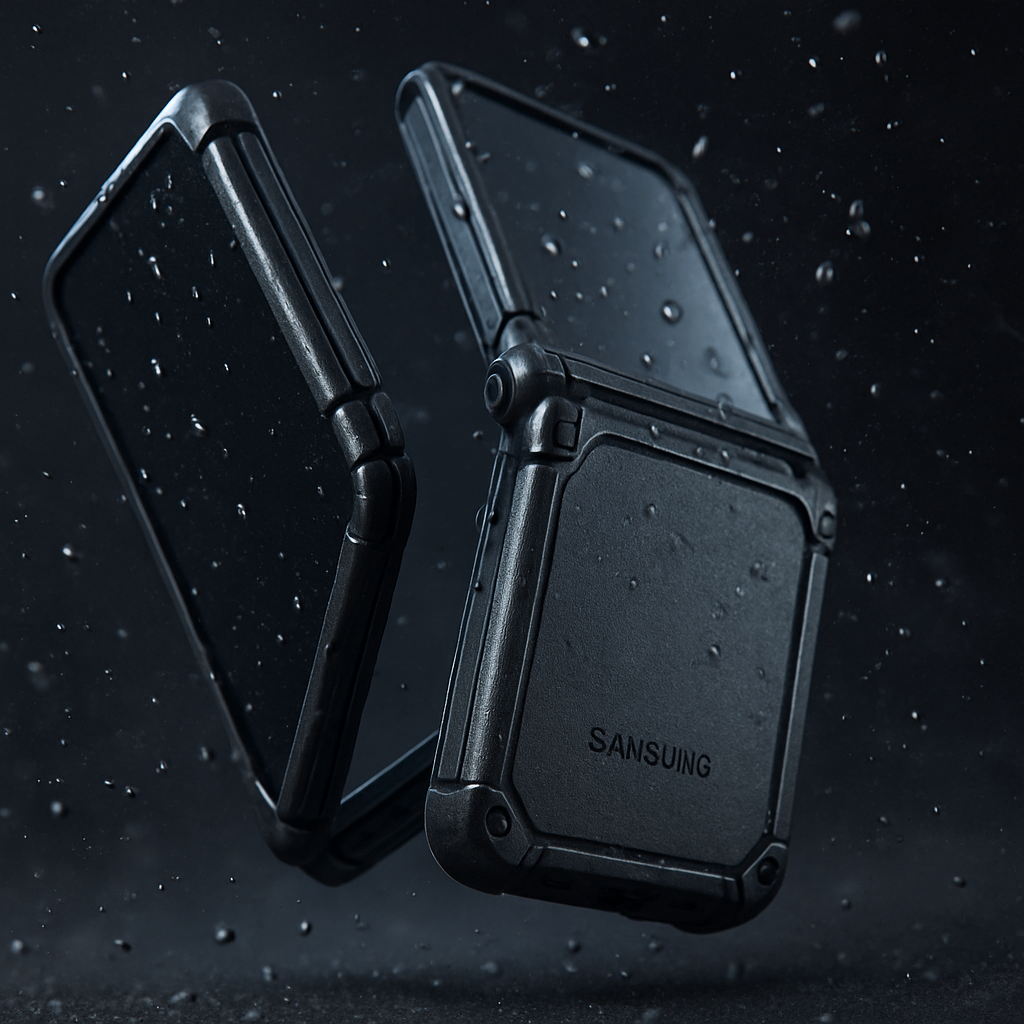
One of the gravest criticisms leveled at previous Samsung foldables involves their susceptibility to damage due to dust and dirt. Samsung’s latest folding model holds an IP48 rating, allowing exposure to particles and offering only limited protection against ingress. In contrast, Apple’s iPhone Duo achieves a full IP68 rating, rendering it entirely dustproof. This difference has become a point of vulnerability for Samsung.
The Trifold 2 is rumored to address these durability concerns directly, seeking to close the gap on water and dust resistance—key features many consumers now expect from high-end phones.
Rushing to Respond
Reports from Chinese social media, amplified by tech bloggers, indicate that Samsung intends to bring forward the launch of the Trifold 2 specifically to compete with the iPhone Duo. The original TriFold model, released in the U.S. in January, carried a steep price tag near $2,900 and was discontinued a mere three months later amid rumors it had been sold at a loss.
Despite that rocky debut, projections suggest the Trifold 2 will launch at a similar price level. The move appears to reflect Samsung’s readiness to learn from earlier missteps, adjusting speed and features to better match shifting market expectations.
Samsung’s concern over the iPhone Duo isn’t merely about competition—it’s about defending its reputation in the premium foldable space, especially where durability and IP ratings are increasingly valued. The Trifold 2 could represent a turning point, not just a product, if it delivers the protections customers now demand.
What to Watch Now
Critical details still unknown include whether the Trifold 2 will surpass IP48—perhaps offering IP68 or at least something close—as well as what refinements have been made to improve robustness across hinges and materials. How Samsung balances price, production costs, and these boosted protections will likely determine whether the Trifold 2 merely competes or leads.
At stake is more than market share. With Apple raising the bar for dust and water resistance, Samsung must adapt quickly or risk losing credibility among consumers who demand both innovation and durability. The Trifold 2’s success could set the standard for foldables going forward—if Samsung can pull this off, it may redefine what the cutting edge looks like in the flexible-phone arena.
Analytically, this rush signals a shift: from chasing wow-factor foldable designs toward strategic durability when consumers begin to vote with practical expectations. Samsung needs the Trifold 2 not just to be flashy, but to be resilient. What unfolds in the coming release will reveal whether foldables can truly compete on all fronts.