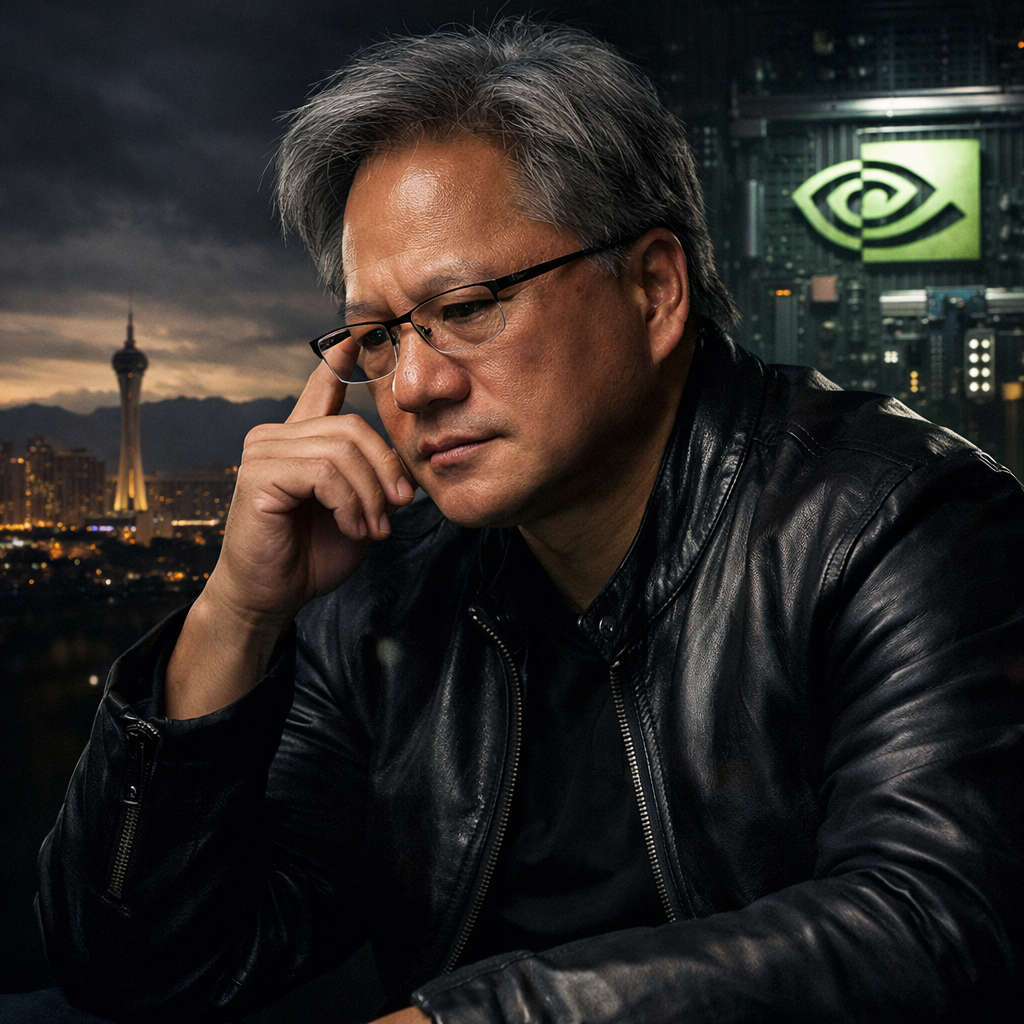
Former Nvidia CEO Jensen Huang has broken his silence since resigning, expressing that he would be honored to resume the chief executive role if Nvidia’s Board of Directors deems it best for the company. His remarks surfaced after widespread support from employees, investors, partners, and customers urging his return. They were conveyed in a statement published on his X account. He also issued a public apology acknowledging serious mistakes in his personal life and reaffirmed his commitment to cooperating with the Board’s ongoing independent investigation.
What led to Huang’s resignation
Huang stepped down following reports that he engaged in multiple affairs, one involving a senior Nvidia executive and another linked to a former executive at Chinese firm Megaspeed. The latter raised concerns about potential ties to Chinese intelligence agencies. In addition, Nvidia has experienced increasing scrutiny over its export practices in relation to those allegations. Huang is slated to testify before U.S. Congress on December 1.
Calls for his return—and resistance
After his resignation, more than 10,000 current and former Nvidia employees, along with notable figures in the tech sector, signed an open letter urging reinstatement. The letter claimed Huang was removed without meaningful due process and asked the Board for a clear, evidence-based justification if they believe his return isn’t in Nvidia’s best interest. Some board members and several U.S. lawmakers have pushed back, including an unnamed director who told the Washington Post that reinstatement isn’t under consideration, and a senator who strongly opposed the idea.
In reaction to the growing controversy, Nvidia has established a new executive committee to oversee compliance with export controls. Meanwhile, Huang’s statement emphasized how much the company and the country mean to him—he voiced regret, said he did not meet the company’s expectations, and termed Nvidia “a once-in-a-generation company.” He said he loves both the business and America deeply, and that becoming a U.S. citizen remains one of his proudest achievements.
His return, he clarified, would depend entirely on whether the Board believes it serves shareholders, employees, the company’s future—and the nation. He also expressed gratitude to supporters and pledged to make amends for his personal missteps.
But beneath the public show of support and apology, there lies significant risk. Congress remains skeptical—some lawmakers view the allegations as too serious for a return. Internal sentiment among Board members reportedly leans against reinstatement. Industry analysts will be watching closely how Nvidia handles its leadership shakeup amid legal, ethical, and global competitive pressures.
What this means: Huang’s offer to return underscores how vital leadership perception is for Nvidia—both internally and on the global stage. Whether he comes back will hinge less on expression of regret and more on how much the Board and regulators are convinced that his reinstatement won’t bring further legal or reputational jeopardy. Nvidia’s next move could set a precedent for how major tech companies deal with similar crises in the future.