Jeff Lawson, co-founder of Twilio, has shifted his entrepreneurial radar toward one of the most ambitious energy challenges: bringing fusion power to the grid. As CEO of Inertia, Lawson is moving out of software and into laser systems, manufacturing, and energy infrastructure. This transition will be a major topic when he speaks at TechCrunch Disrupt 2026 in San Francisco in mid-October, in a session titled “How Twilio’s Founder Is Tackling the Power Problem.”
The Plan: From Lab Science to Grid Scale
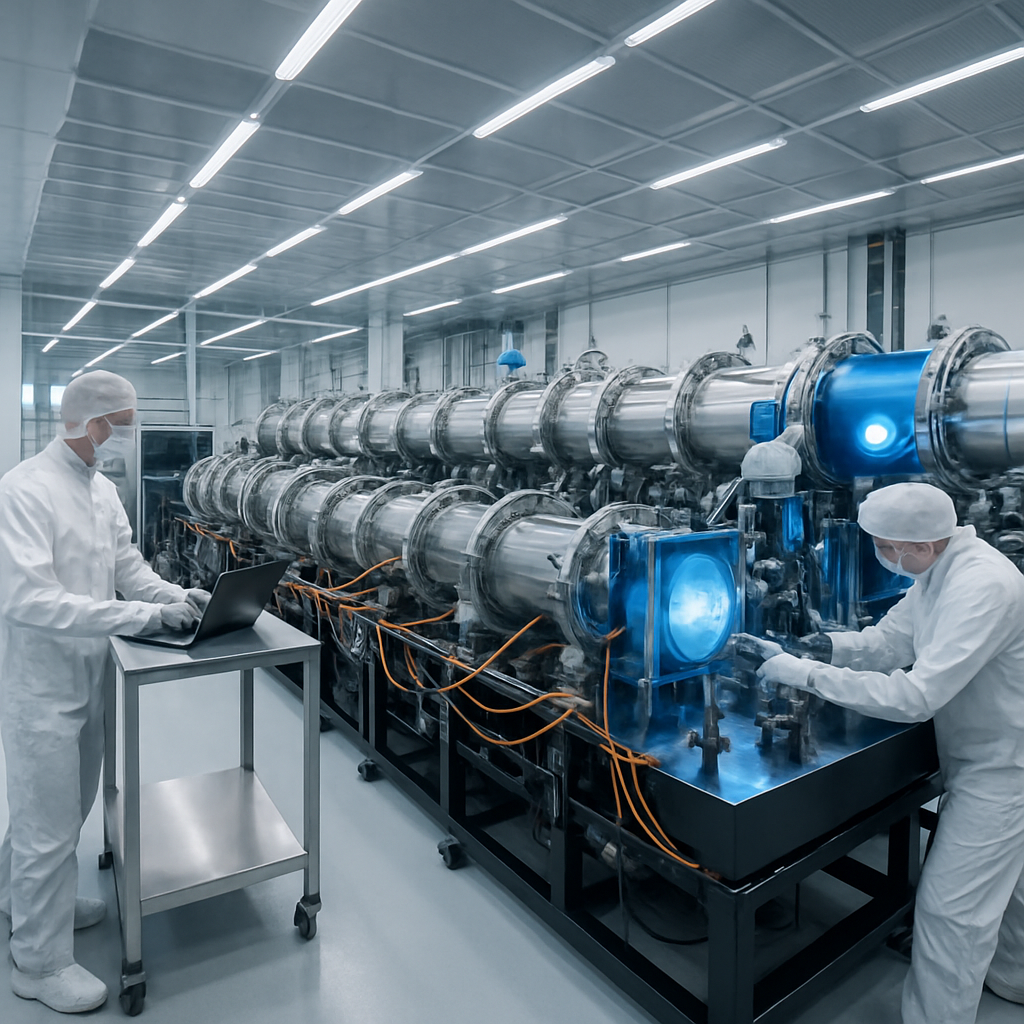
Earlier this year, Lawson’s company Inertia closed a $450 million Series A funding round led by Bessemer Venture Partners, with support from GV and others. That capital will go toward building powerful laser systems and scaling up manufacturing of fusion fuel targets — critical components in turning experimental fusion science into usable electricity./
In July, Inertia opened a 50,000-square-foot facility in Livermore, California. This hub is intended for developing both fuel-target manufacturing and laser technology. To support its complex ambitions, the team has drawn in leadership hires from major companies like Apple, Corning, and Waymo to strengthen its manufacturing and supply-chain capabilities.
What Lawson Brings — and What He’s Learning
Lawson isn’t new to tech. Before Inertia, he co-founded Twilio; he also held early product leadership roles at Amazon Web Services and was the founding CTO at StubHub. That background gives him a strong foundation in building products and scaling teams — but powering up demands different gears. He’ll explore at Disrupt how experience in software, team building, and fundraising applies — and where it doesn’t — to deep tech, capital intensity, and engineering risks intrinsic to fusion energy.
In his Disrupt session, Lawson is expected to share insights on assembling the right kinds of technical and operational talent, defining credible yet ambitious milestones, and navigating investor expectations where science, hardware, and manufacturing intersect. The discussion aims to show how decision-making in energy startups has its own pattern, even for founders well-versed in cloud infrastructure or SaaS.
The session joins Smart Systems Stage programming, which includes climate and energy tracks — a fitting framework for debating how established tech methods adapt to hardware, supply chains, physical infrastructure and strict engineering timelines.
Inertia’s bold strides in fusion reflect a broader trend. As costs of climate tech drop and investor attention rises, deep tech ventures that span software, hardware and science are moving from theoretical backwaters toward real commercial opportunity. Inertia may be among the more visible examples, but it isn’t alone in tackling energy’s hardest problems.
Lawson’s move is noteworthy not just for its ambition, but for what it signals: the boundaries between software founders and deep-engineering founders are blurring. Founders, investors, and engineers will want to watch whether techniques honed in SaaS can scale to fusion, whether milestones based on lab results can translate into grid deployment, and how manufacturing scale-up plays out. What this moment means is clear: scaling vision matters; the technical breakthrough doesn’t guarantee commercial success without execution.