With iOS 27 rolling out this week, Apple is raising the storage requirements for its Apple Intelligence features on its newest iPhones. While many devices keep the same free-space threshold, certain high-end models now demand almost twice the storage than before in order to run the most advanced on-device AI capabilities. This change reflects Apple’s push toward more powerful AI tools like enhanced Siri and dictation accuracy, and raises new considerations for users on base storage tiers.
Higher requirements on newer models
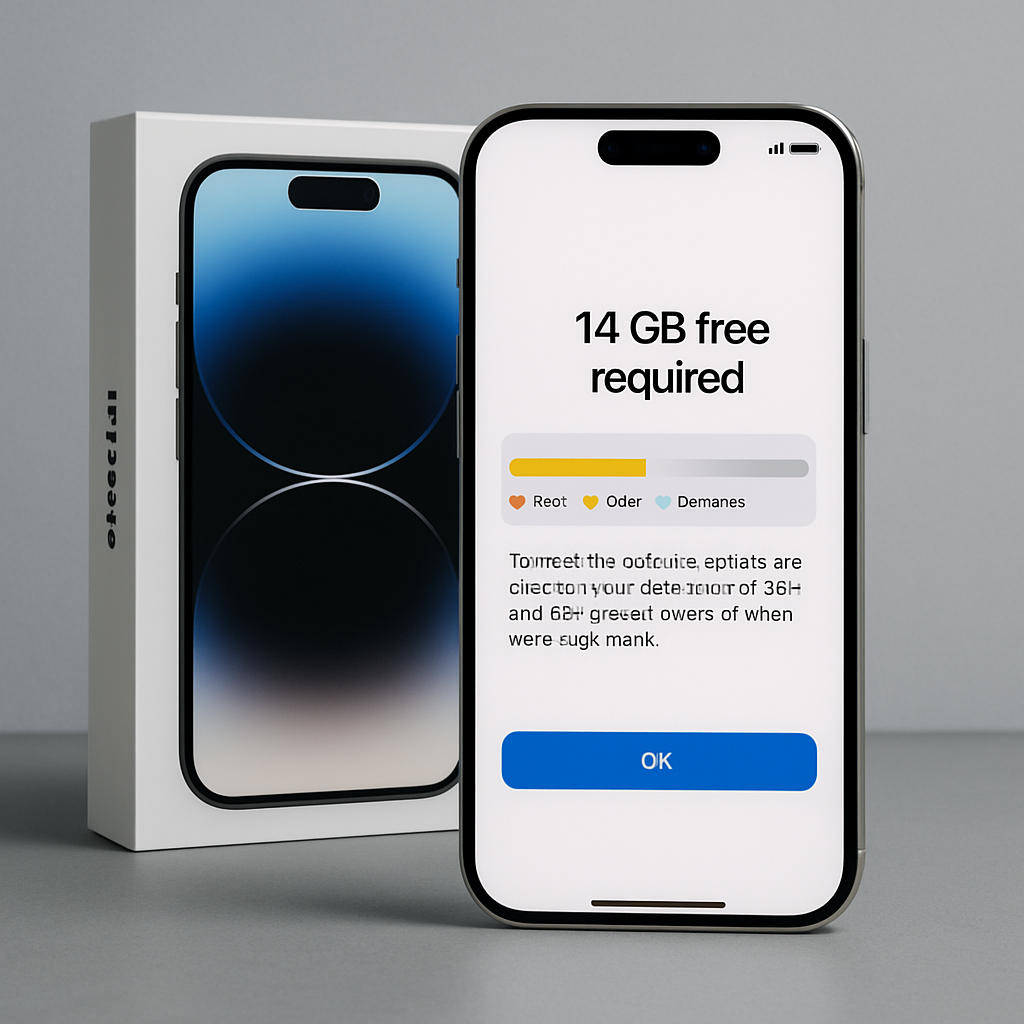
For most iPhones, iOS 27 still requires about 8 GB of free space to support Apple Intelligence features. But several of Apple’s latest Pro-level phones now need up to 14 GB of free storage—an increase of nearly 75%. This elevated requirement affects models that include the highest-end on-device AI components, specifically those that offer both Siri voice customization (controlling expressivity and pacing) and upgraded dictation accuracy. Among the phones impacted are the iPhone 18 Pro and Pro Max, iPhone Duo, iPhone 17 Pro and Pro Max, and iPhone Air.
Why the jump?
The increased storage demand comes from more powerful AI models running locally on the device. The features exclusive to the newer hardware—voice customization and improved dictation—use much more space than the standard AI-assisted functions that remain at the 8 GB requirement. Apple’s documentation confirms these advanced capabilities necessitate larger models that are stored and processed on the device, rather than relying fully on cloud-based AI.
Currently, most users will continue to use Apple Intelligence with existing free-space needs, unless they own one of the models listed above. For them, the storage spike means managing device capacity more carefully—especially for those with lower baseline storage options.
Apple first introduced Apple Intelligence in 2024; its latest update under iOS 27 brings more sophisticated AI tools that rely heavily on local processing for privacy, speed, and reliability. By pushing these newer features only to premium hardware with greater storage headroom, Apple is balancing feature rollout with device capability—but the effect is that some users will now need to plan for more room.
So what should users do? If you own one of the newer Pro or “Air” models listed, checking how much free space you have before updating to iOS 27 is prudent. You might consider freeing storage or upgrading to a model with more built-in space to avoid feature restrictions or sluggish performance.
This shift is more than just numbers—it reflects Apple’s deeper move toward on-device AI. As computing power continues to increase in its flagship devices, expect these kinds of storage and hardware divides to grow more common. Going forward, Apple’s AI strategy will need to balance innovation with the realities of device specs, storage logistics, and user expectations.