Apple’s Cinematic Mode once promised to bring film-style focus shifts to the iPhone—separating foreground subjects from busy backgrounds with soft blur and focus transitions. After debuting on the iPhone 13, the feature looked set to evolve, especially given how much more powerful newer iPhones have become. A recent video experiment shows that while Cinematic Mode still delivers, it hasn’t quite caught up to its hardware’s potential.
Putting Cinematic Mode to the Test
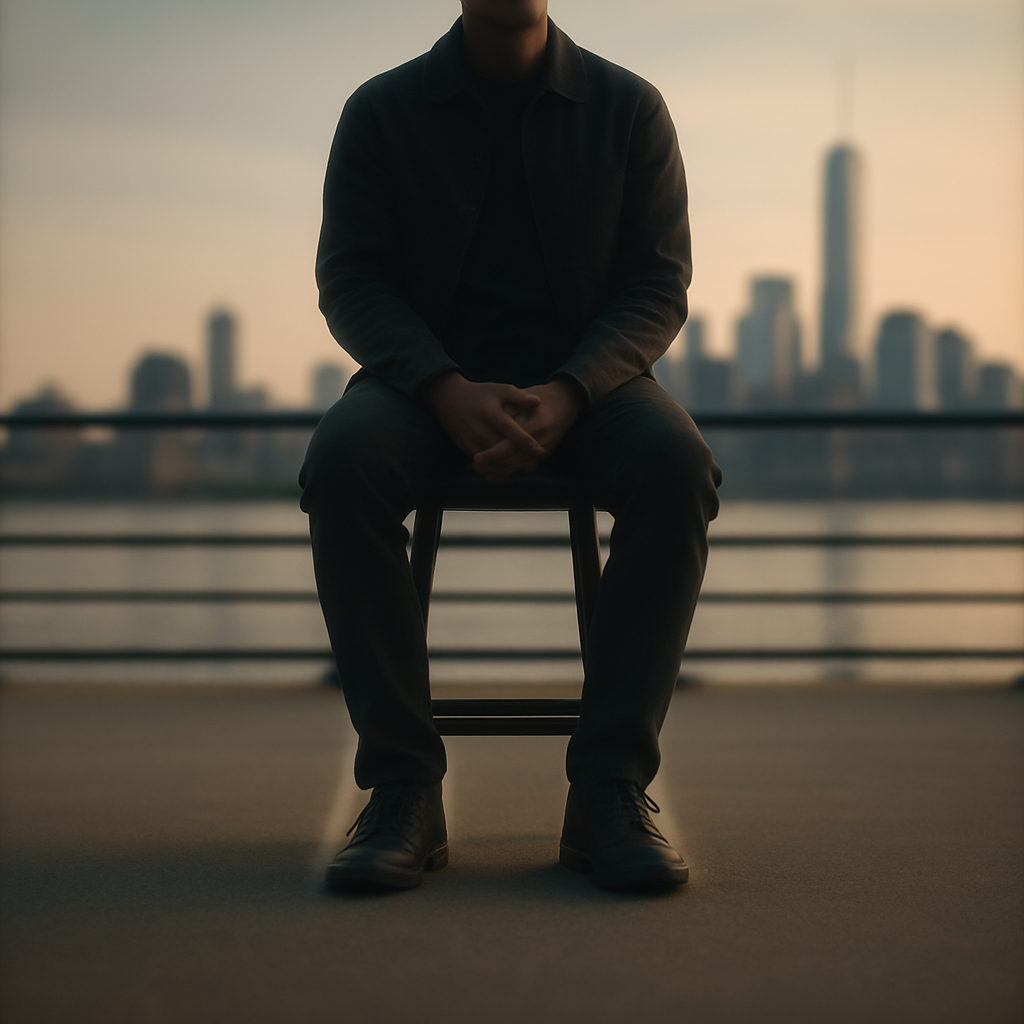
The test involved shooting with an iPhone 16 Pro Max—framing a person seated in the foreground, with railing behind them about 25 feet back, and London’s O2 stadium silhouette visible miles away. The setup was fairly stationary, aiming to heighten the challenge for Cinematic Mode’s depth detection and subject-background separation.
Overall, the visual result is strong: the foreground subject remained properly sharp, and Cinematic Mode managed pleasing separation in many shots. But artifacts showed up. Halos flickered between the person’s legs and the railings, distant structures behind his moving head occasionally drifted in focus, and stretches of the river became unintentionally sharp when he opened his arms.
Not Bad, But Not Finished
For those without a filmmaker’s eye or deep knowledge of how an edge-aware blur should behave, these glitches are likely unnoticeable. But for users trying to push the feature toward more creative or professional use, the compromises show—especially given how much more could be expected from the iPhone’s current chips and depth-sensing/training capabilities.
The critique isn’t that Cinematic Mode is faulty so much as it’s under-realized. Given the advances in computational photography, neural processing, and performance, there’s a real gap between what’s possible and what users are seeing today.
This moment raises a larger question: Is Apple neglecting further refinement of Cinematic Mode? The argument is that with enough software care—better edge detection, more consistent background blurring, smarter transitions—the feature could close the loop and feel fully mature.
Striking the balance between performance and precision is hard, but as hardware improves, expectations rise. Cinematic Mode already appeals to casual creators. With sharper polish, Apple could make it powerful enough for aspiring filmmakers using just their phones.
What this means: The shortcomings visible in this experiment are tailwinds for what’s next. If Apple invests more effort, updates could lean into more robust depth algorithms, lesser artifacts, and more dramatic scenarios: less ideal lighting, moving backgrounds, complex scenes. Cinematic Mode still has strong creative potential—it’s just waiting for the software to earn the hardware’s trust.