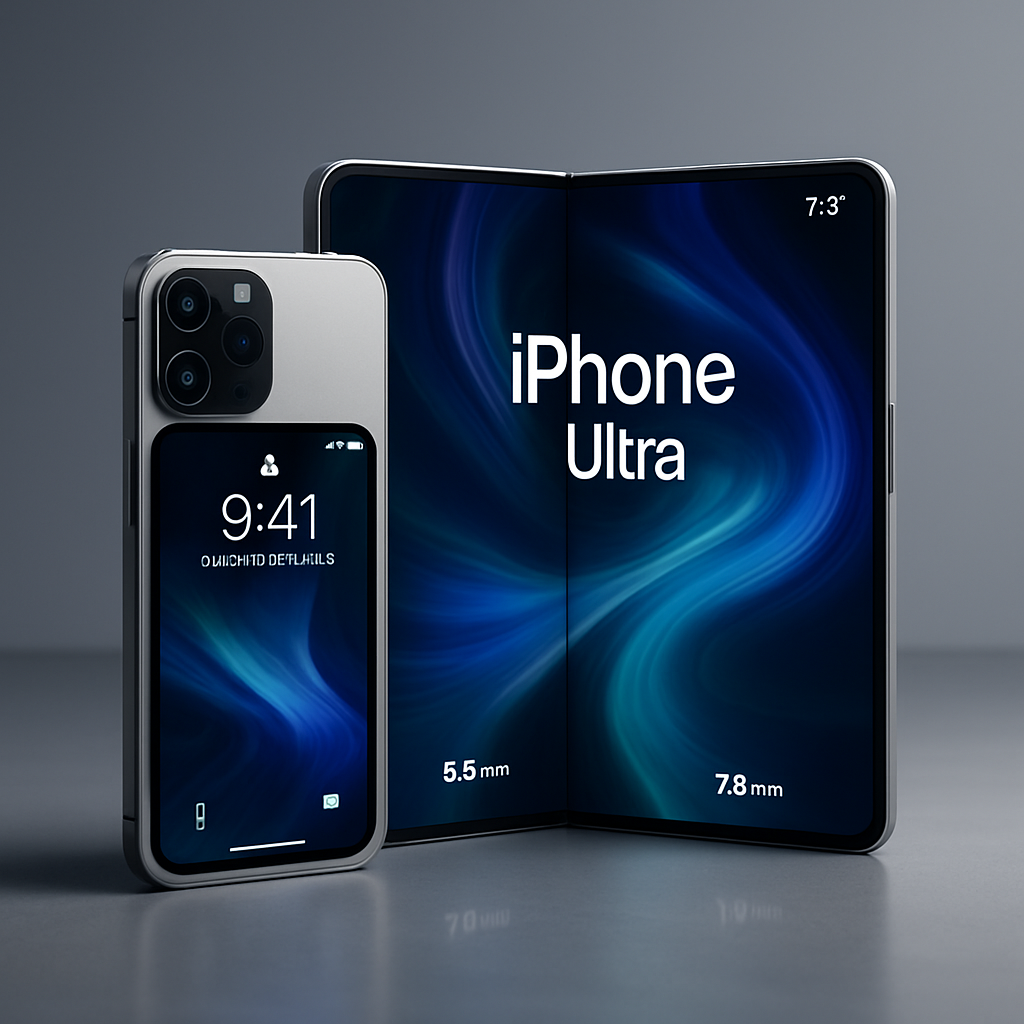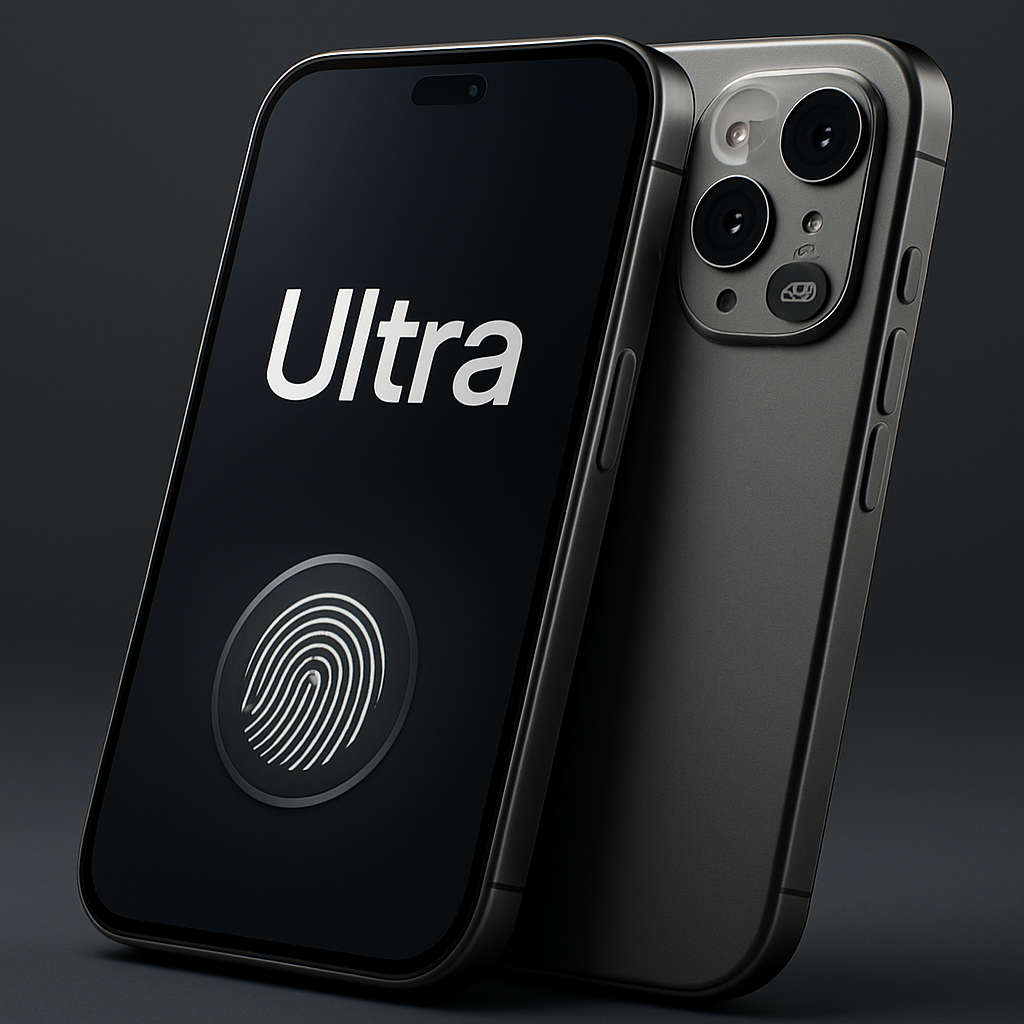
Apple appears to be leaning toward including Touch ID on the upcoming iPhone Ultra, based on clues found in the iOS 27 beta code. A localization string discovered in the fourth developer beta references an iPhone model that supports both Ultra Wideband (UWB) connectivity and Touch ID authentication. That’s a departure from Apple’s current trend: all existing UWB-equipped iPhones—from the iPhone 11 onward—use Face ID.
What Apple’s Code is Revealing
The clue comes from the Car Key framework in iOS 27. Within this component, developers identified strings referring to “Touch ID and UWB” together. The pairing is noteworthy because, up to now, every iPhone with a UWB chip has relied exclusively on Face ID for biometric authentication. The presence of Touch ID in the UWB context suggests Apple is preparing users to unlock features usually limited to Face ID devices—but using Touch ID instead.
This isn’t the first time Touch ID’s return has been rumored for a flagship Apple device. Previous leaks suggested the iPhone Ultra’s shell might be too slim to accommodate Face ID’s facial recognition hardware. Though never confirmed, those whispers pointed toward alternatives like Touch ID—either in the power button or under the display. The recent code discovery lends weight to these earlier suspicions.
Implications for Battery, Security, and Price
If Apple shifts to Touch ID for its top-tier device, there are trade-offs. Face ID has been praised for its speed and reliability, particularly in diverse lighting and angles. Touch ID, however, has advantages in cost, energy use, and situations where masks or low light interfere with face scanning. The change could impact both user experience and internal design—especially if Apple aims to keep component thickness below what Face ID typically requires.
From a price standpoint, integrating Touch ID instead of Face ID could reduce costs slightly, but given the Ultra’s expected positioning as Apple’s most premium phone yet—potentially the most expensive—this might be a minor offset. Buyers might view Touch ID as less cutting-edge compared to Face ID, depending on how well Apple implements it.
Even so, the code isn’t yet definitive proof—until Apple reveals official specs, uncertainty remains. The next big opportunity for confirmation comes September 9, 2026, when Apple plans to unveil the iPhone Ultra.
For Apple enthusiasts and industry watchers, this is more than just curiosity about a fingerprint sensor. It’s a signal about how Apple may balance design constraints, security expectations, and user preferences in this new flagship. The choice between Touch ID and Face ID reflects deeper trade-offs: component size, supply chain dynamics, and how biometric tech evolves alongside ambient trends like mask use or facial recognition concerns. What to watch for is how Apple implements Touch ID—where the sensor is placed, how fast and reliable it is—and how it integrates with UWB, Car Key features, and overall device security. If done right, Touch ID’s return could blend convenience and privacy in a way that aligns with user needs without compromising premium design.