The U.S. battery startup scene hit turbulence after sweeping legislative changes removed key incentives for electric vehicles and battery production. But there’s a developing playbook: many of these companies are now turning to defense funding to stay afloat—or even expand.
Massive DOE Grants Give Lifeline to Battery Innovators
The Department of Energy has stepped in with a significant financial boost. On August 22, 2026, the DOE announced $500 million in grants aimed at strengthening the domestic battery supply chain. Its goals: reduce dependence on foreign sources, reinforce national security, and cement America’s role in energy production. A large share of this money is earmarked for startups.([techcrunch.com](https://techcrunch.com/2026/08/22/us-battery-startups-have-found-a-lifeline-in-defense/))
Notable awardees include Coreshell, Lilac Solutions, and Nth Cycle. Coreshell—an emerging battery materials company—won $50 million to scale up manufacturing of its metallurgical silicon anode materials.([techcrunch.com](https://techcrunch.com/2026/08/22/us-battery-startups-have-found-a-lifeline-in-defense/)) Lilac Solutions received $100 million toward a processing facility at Utah’s Great Salt Lake, aiming to produce 5,000 metric tons annually of lithium carbonate—a key input in battery chemistry—by 2028.([techcrunch.com](https://techcrunch.com/2026/08/22/us-battery-startups-have-found-a-lifeline-in-defense/)) Nth Cycle also secured $100 million to build a plant that refines recycled battery material into lithium and nickel compounds.([techcrunch.com](https://techcrunch.com/2026/08/22/us-battery-startups-have-found-a-lifeline-in-defense/))
Defense Sector Steps Into the Spotlight
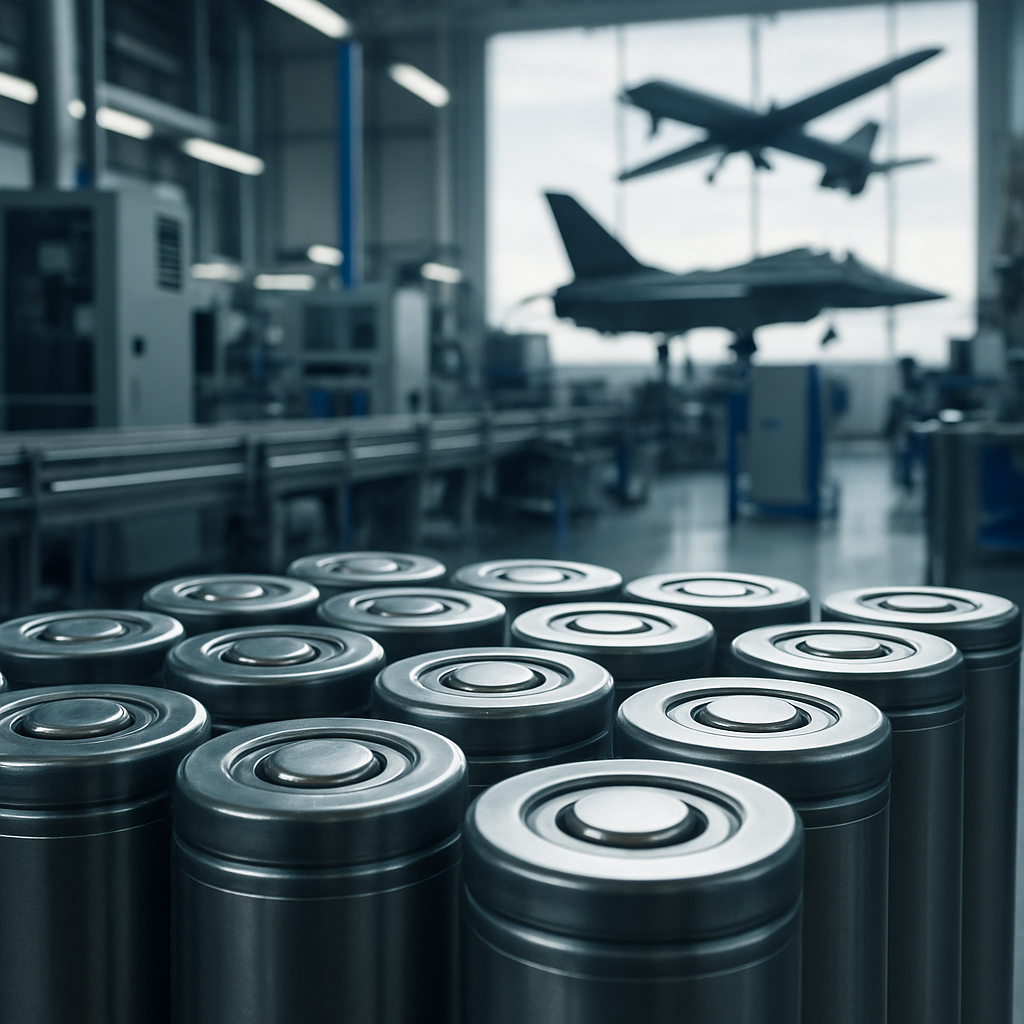
Despite broader political resistance to EV incentives, defense needs have created a nexus of demand. The military increasingly requires lightweight, high-performance batteries for drones, fighter jets, torpedoes, and field radios.([techcrunch.com](https://techcrunch.com/2026/08/22/us-battery-startups-have-found-a-lifeline-in-defense/))
Coreshell in particular has embraced this shift. Its recent funding includes investment from ADS Ventures—part of a defense contracting supply chain—and collaboration with autonomous systems providers.([techcrunch.com](https://techcrunch.com/2026/08/22/us-battery-startups-have-found-a-lifeline-in-defense/)) Meanwhile, Nth Cycle’s leadership confirmed that defense contracts are now shaping their strategic plans, alongside the still-uncertain automotive market.([techcrunch.com](https://techcrunch.com/2026/08/22/us-battery-startups-have-found-a-lifeline-in-defense/))
EVs Lose Some Favor, but Long-Term Demand Isn’t Dead
The automotive world hasn’t collapsed. EV manufacturers continue to roll out new models, and long-term growth is still expected—though now pushed further into the future because of recent legislative shifts that pulled back incentives.([techcrunch.com](https://techcrunch.com/2026/08/22/us-battery-startups-have-found-a-lifeline-in-defense/))
In contrast, the defense sector already represents a sizeable and growing base of demand. As of 2021, the Defense Logistics Agency alone purchased batteries worth $200 million annually.([techcrunch.com](https://techcrunch.com/2026/08/22/us-battery-startups-have-found-a-lifeline-in-defense/)) Yet even that pales next to automotive sector projections: domestic battery manufacturing investments are projected to hit nearly $18 billion this year.([techcrunch.com](https://techcrunch.com/2026/08/22/us-battery-startups-have-found-a-lifeline-in-defense/))
The federal pivot toward defense funding may be more than just a lifeline—it could be a turning point. The sweeping rollback of battery/EV incentives under recent legislation hurt domestic manufacturers, and the DOE grants suggest a tacit acknowledgment that prior cuts risked eroding supply chain resilience.([techcrunch.com](https://techcrunch.com/2026/08/22/us-battery-startups-have-found-a-lifeline-in-defense/))
What this means: the defense sector is no longer a niche customer—it’s becoming an economic anchor for startups in battery materials and recycling. In the near term, the urgency will be meeting military-grade performance, scale, and reliability. Longer term, success will depend on whether these companies can ride both defense demand and the eventual return of robust EV incentives. For now, the battlefield may offer the foothold battery startups need.