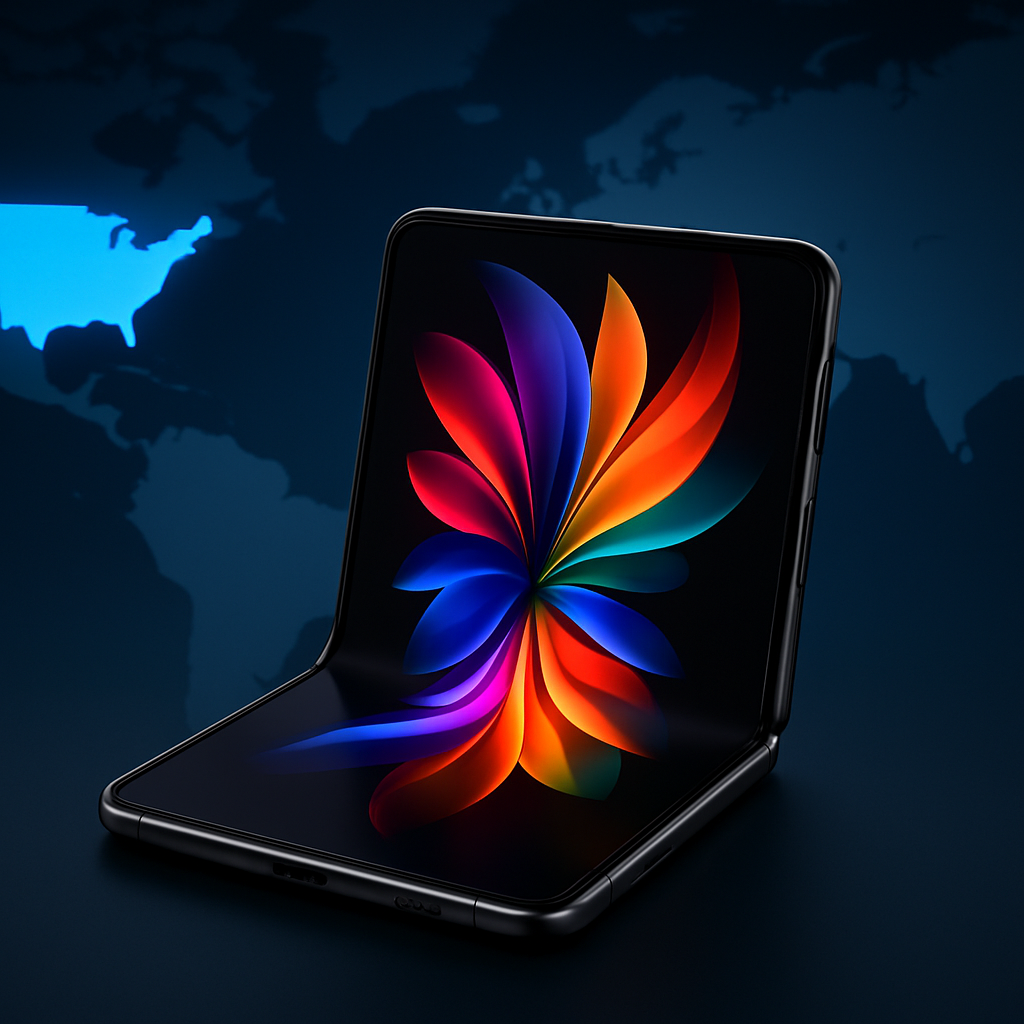
Apple’s much-anticipated foldable, the iPhone Duo, is running into serious production hurdles just weeks before its scheduled launch. Internal reports reveal that final assembly yields are barely above 60% as of mid-September, far below what Apple needs for smooth roll-out. Sources warn that reaching a mature yield could take anywhere from six months to a full year under its rigorous quality standards.
Components & Supply Chain Struggles
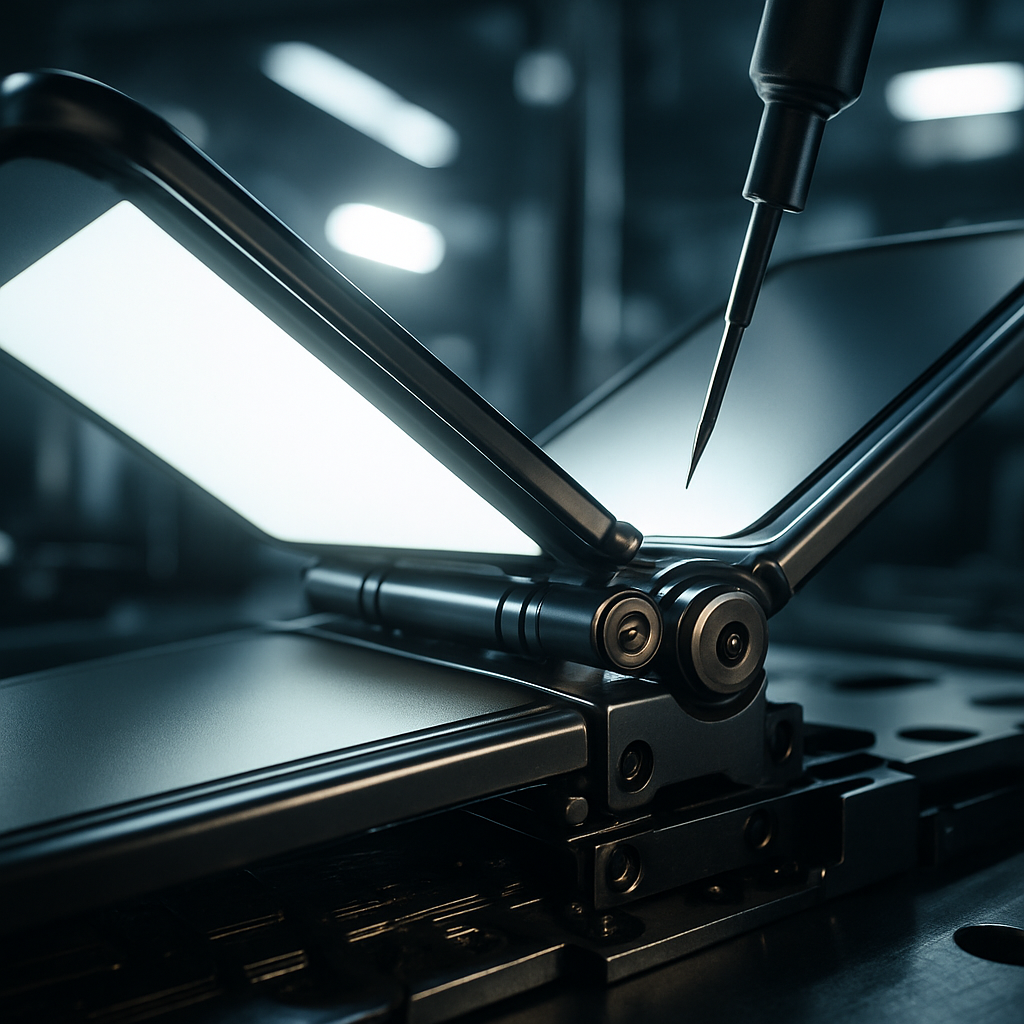
The difficulties go beyond final assembly. Multiple suppliers are experiencing low yields on key parts—including Samsung Display’s foldable OLED panels—and frequent delays in hinge component delivery. Compounding the issue, Apple has reportedly made last-minute design changes, particularly around the hinge, which contains over 100 parts and features a 3D-printed outer cover, making timely calibration of production lines all the more complicated.
Part of the problem seems tied to experimental materials: Apple explored using Liquid Metal for some hinge components but backtracked before mass production, possibly contributing to the current instability and lack of uniformity in output.
Launch Numbers & Trade-Offs
Sources said Apple is aiming to produce roughly 6–8 million units of the iPhone Duo in 2026. While that might sound impressive, it pales in comparison to the typical 20–30 million units shipped over a full cycle by each of its Pro or Pro Max counterparts.
There is also internal pressure from contract manufacturers to prioritize yield versus output. Pressing the line to meet higher output targets could boost sales forecasts—but at the cost of more defects and wasted materials, and possibly long-term reputation risks.
Timeline & Pricing Set
Apple officially unveiled the iPhone Duo on September 9. Pre-orders kick off October 16, with general availability slated for October 23. The starting price in the U.S. is set at $1,999.
What This Means
Production lag of this degree could mean limited first-wave availability. Customers placing early pre-orders may face long lead times or limited stock. For Apple, recurring low yields and parts delays could inflate production costs and margin erosion.
Analysis: The roadblocks facing the Duo reflect the inherent complexity of introducing a foldable form factor that combines two displays, a high-precision hinge, and new materials. Apple seems caught between two imperatives: maintaining its strict quality standards or loosening them to meet timing and volume goals. Either way, this issue highlights how launching innovative hardware—especially one that diverges from established norms—brings risk of delays, cost overruns, or customer frustration. What to watch now: whether Apple will acknowledge production delays publicly; if the launch volume or market release will be scaled back; and how the decision between yield vs. output impacts overall performance and reputation in the long run.