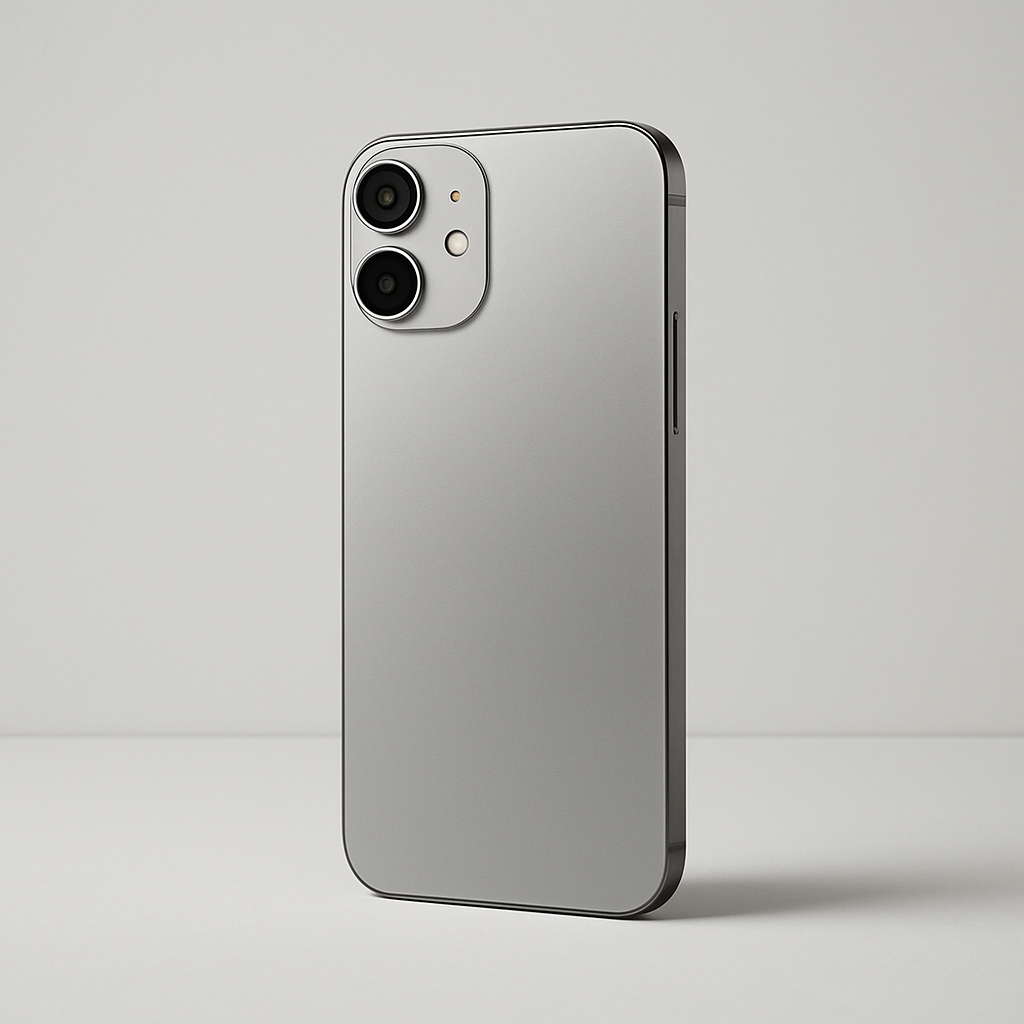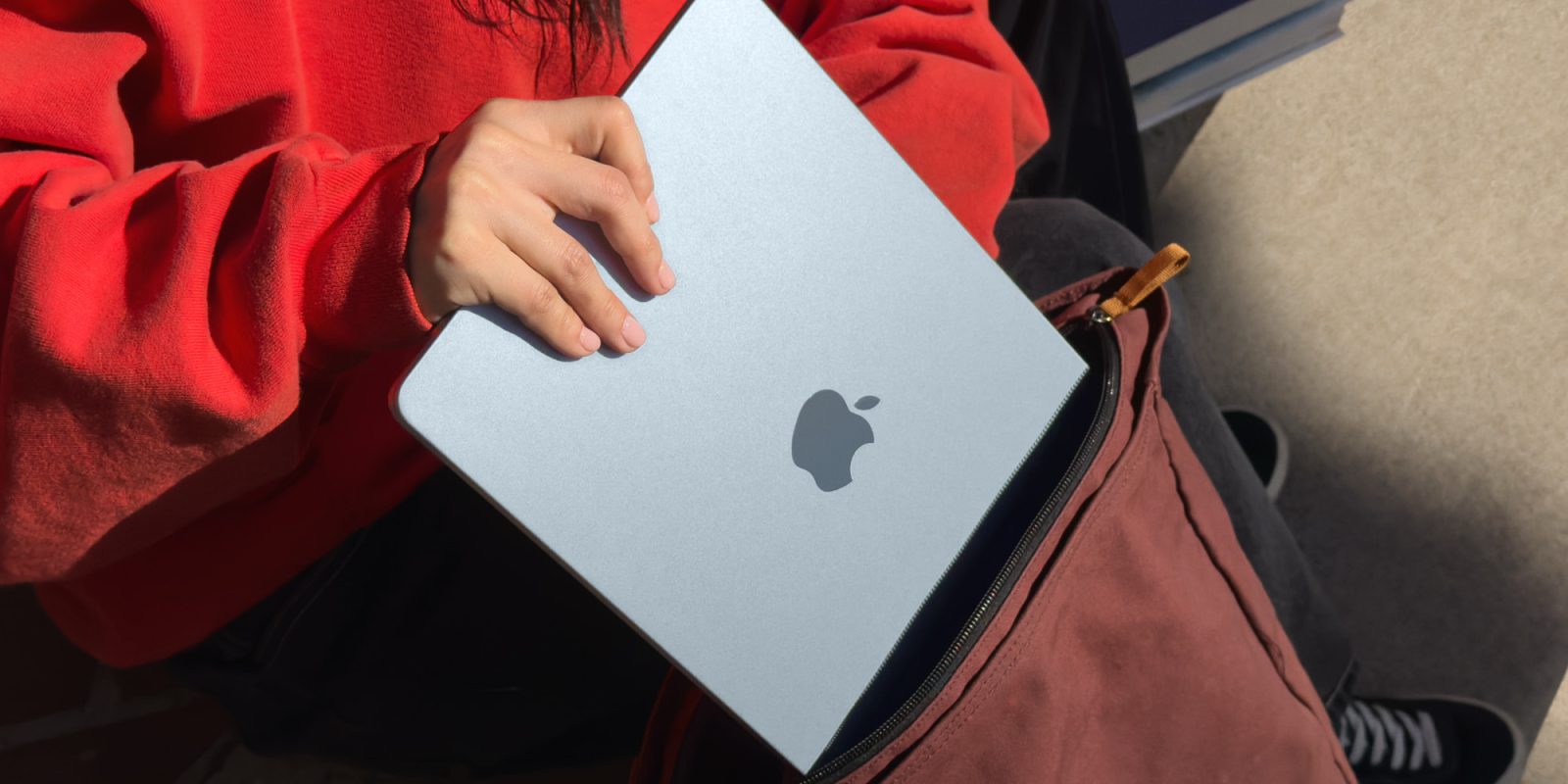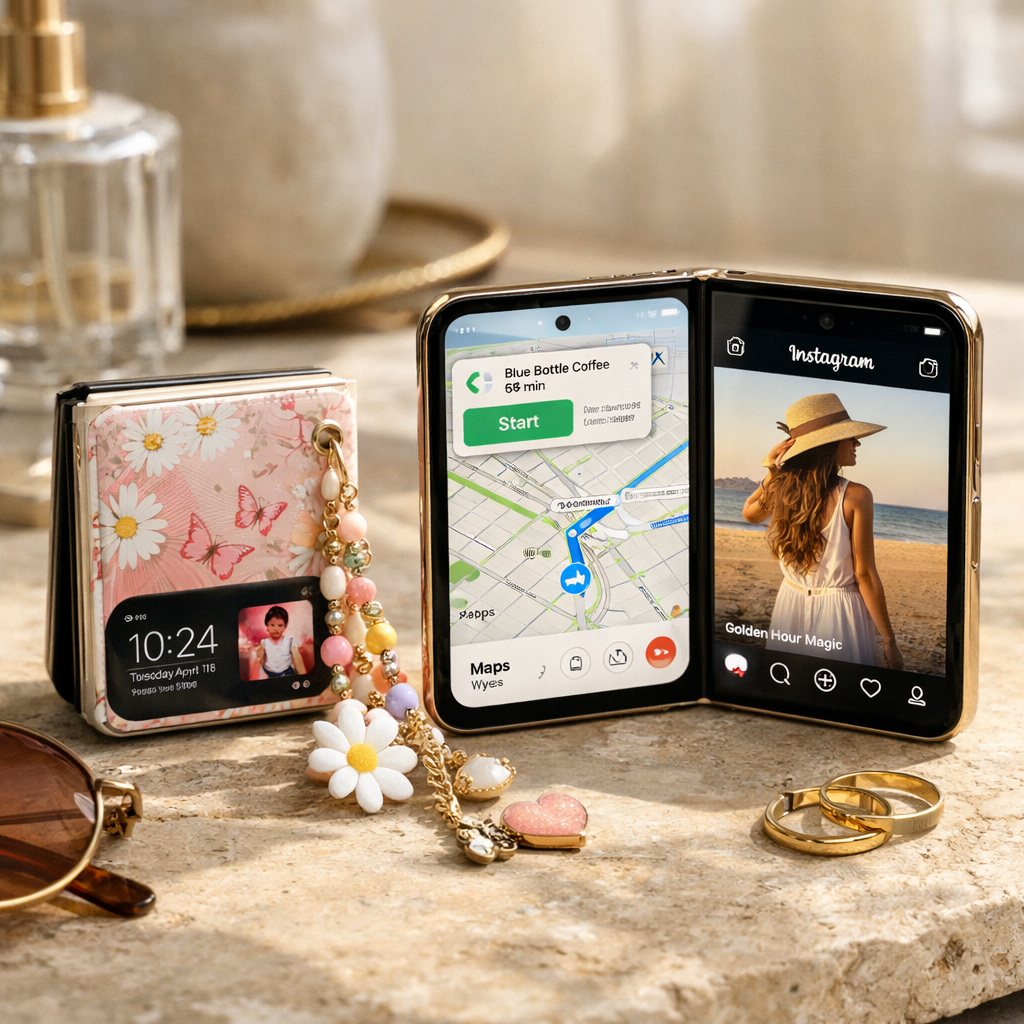
After nearly a month with the new foldable iPhone Duo, I’ve noticed how much its shape changes what I do with my phone––not just what the specs say. While I worried about what I’d lose (Pro Max camera perks, Face ID, weight), it turns out those compromises matter less day to day than the Duo’s design adds in small, unexpected ways.
Multitasking and Everyday Utility
The Duo’s foldable screen has pushed me to multitask in ways I hadn’t expected. Dragging apps onto both sides of the unfolded screen is intuitive, and while it’s not the tablet experience of an iPad, I’ve found myself frequently using side-by-side apps. I’ll have Slack or mail open while referring to another app, scroll Twitter alongside reading news, or browse Netflix and reactions at once. It’s changed how I split focus.
When closed, the Duo feels compact. Like carrying something close to the size of a mini-iPhone: easy one-handed use, accessible navigation, and less intrusion in pockets. It’s heavier than smaller models, but the fold makes the large device feel surprisingly manageable.
Apps, Reading, and Personalization
App support has come a long way too. At this writing, over 200,000 apps are optimized for the Duo. Essential apps now adapt layouts for the unfolded screen, removing awkward black borders and reshaping navigation. Examples range from calendar and note apps that make use of expanded space to novel apps designed for flip-like behavior or nostalgic interfaces like retro Walkmans and typewriters.
Reading on the Duo is one of its most pleasant surprises. The matte inner panel cuts down glare, providing a more relaxed reading experience that rivals e-rid or e-ink devices. Unfolded, it mimics a standard Kindle’s feel, especially when books are read vertically. Interactive reading apps go further: page-turning animations, covers displayed on the outer screen, even “performative” reading tools make the experience richer.
Customization has also taken center stage. Case makers are embracing the Duo’s design with options that go beyond protection: built-in screen guards, exposed hinges, vivid color bands, and attachments like straps or charms. Some even include stands or pen holders, turning the phone into a fashion and utility statement alike. It no longer feels like just a device—it’s become a personal accessory.
The Trade-Offs Don’t Weigh as Much
Yes, there are still things I miss: the Pro Max’s telephoto lens for zoom shots, Face ID now that it’s being fully phased out (though a face unlock update has eased this). And the Duo isn’t feather-light. But the convenience of switching between folded and unfolded, the split-screen habits, and fewer wasted moments pulling out another device—these gains add up.
Almost daily, I pause before unlocking: do I fold it open to read, or keep it closed just to check weather or time? That small moment of choice has already reshaped how often I mindlessly pick up my phone. What I’d give up by returning to a traditional iPhone now feels greater than what I lost in going Duo.
What this device proves is that form can reshape behavior. Specs matter—but when a phone changes how you use it, forget a little about cameras and processors, the real reward might be in the habits it helps you break and remake.
This moment—this hesitation before using your phone, this sense that you’re choosing—might be the Duo’s greatest feature.