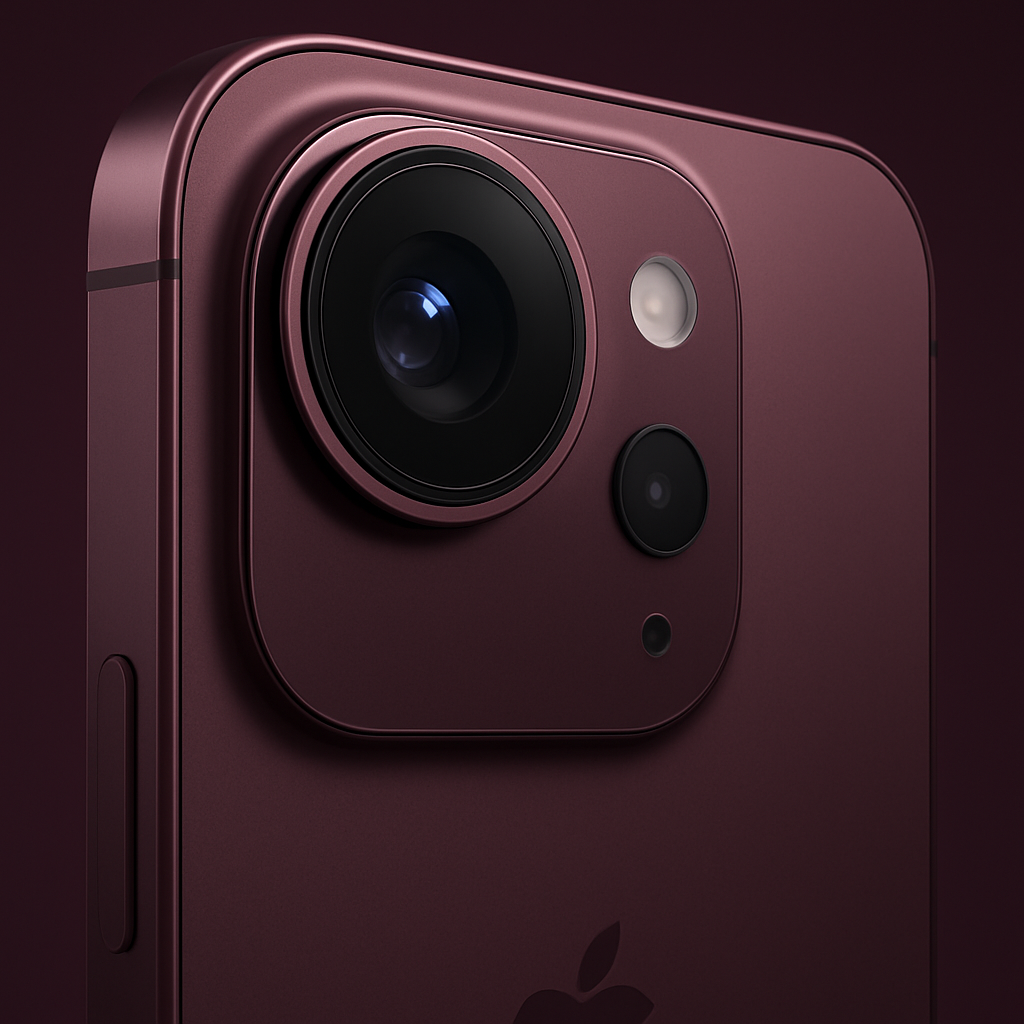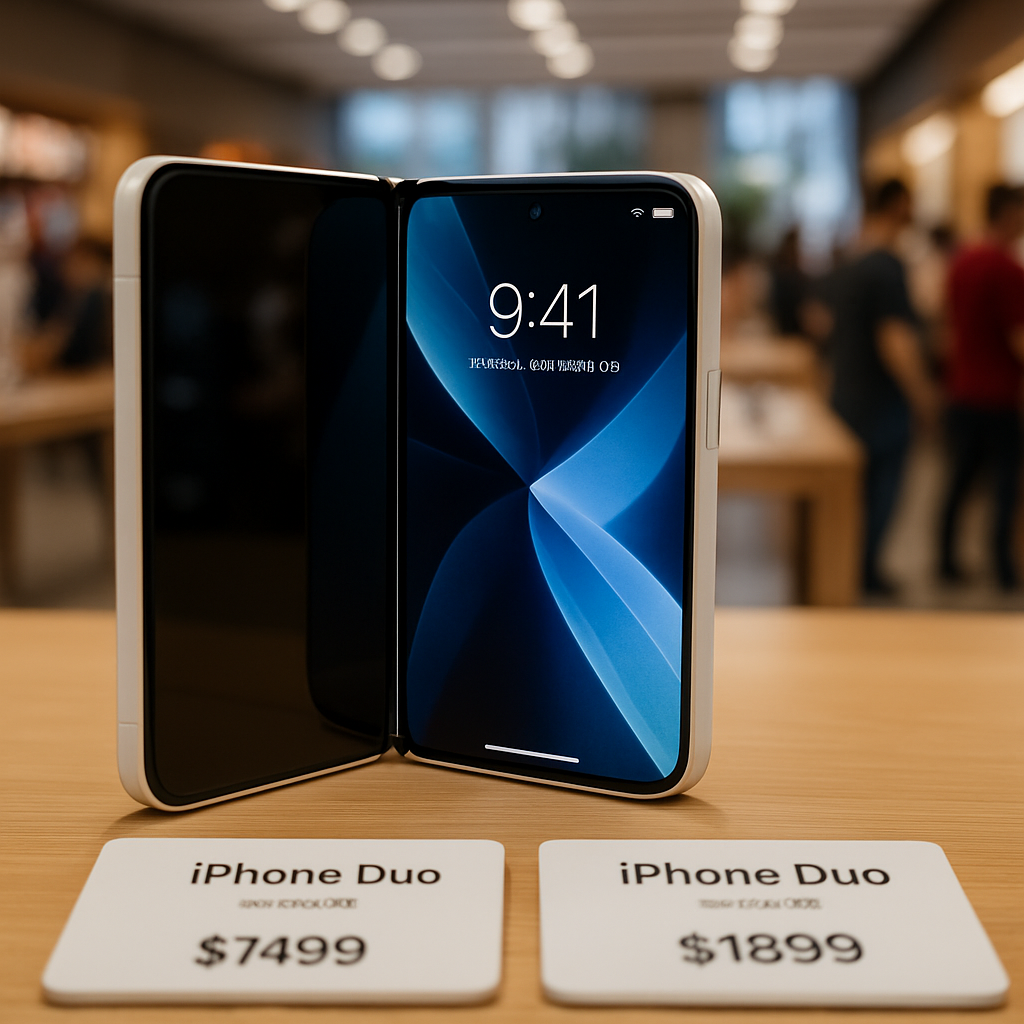
Apple’s first foldable iPhone, the iPhone Duo, becomes officially available today, October 23, with pre-order deliveries arriving to customers in several regions. Demand is intense and supply is limited, making walk-in purchases a potential challenge depending on your location. Yet for shoppers near an Apple Store, there’s still a chance to snag one in person.
Pre-Orders Already Pushed Far Ahead
When pre-orders opened on October 16, Apple saw shipping estimates for new orders shoot to January 25 within the first 30 minutes — underscoring just how high demand for the Duo is. The device is debuting with constrained availability across all channels.
Walk-In Stock Varies by Region
Today U.S., UK, Canada, Australia, Mexico, and many European countries will see limited quantities available in certain Apple Store locations for walk-in customers. However, in markets including France, China, Hong Kong, India, Japan, Malaysia, South Korea, Taiwan, Thailand, and the UAE, any purchase will require reserving a pickup slot ahead of time. Stock per store appears unpredictable — an Apple Store in Edinburgh reportedly received more units than staff expected, allowing some shoppers to buy on the spot. But such luck may not extend to every location.
Price, Configurations & Limits
The iPhone Duo starts at $1,999 for the 256 GB model. Other tiers include 512 GB ($2,199), 1 TB ($2,599), and a top-end 2 TB option for $3,199. Two color choices are offered initially: Star White and Night Sky. Apple is also limiting purchases to two units per customer in the U.S. to manage early demand.
What this means:The iPhone Duo’s launch is witnessing extreme demand and constrained supply — a pattern familiar to major device debuts but especially pronounced here given the foldable’s novelty. For shoppers hoping to walk in and buy one, calling your local Apple Store early or checking inventory via Apple’s app may make the difference. For everyone else, expect pickup reservation systems to become the norm until stock stabilizes.