The new iPhone 18 Pro line drops into the public eye just a day before its official launch with early hands-on impressions showing significant design tweaks, a stronger chip, and enhanced photography tech. Both Pro and Pro Max arrive September 18, priced at $1,199 and $1,299 respectively. The Pro Max is noticeably heavier than its predecessor—249 grams versus 233 grams—with the smaller Pro hefting up too.
New Look, Slimmer Dynamic Island
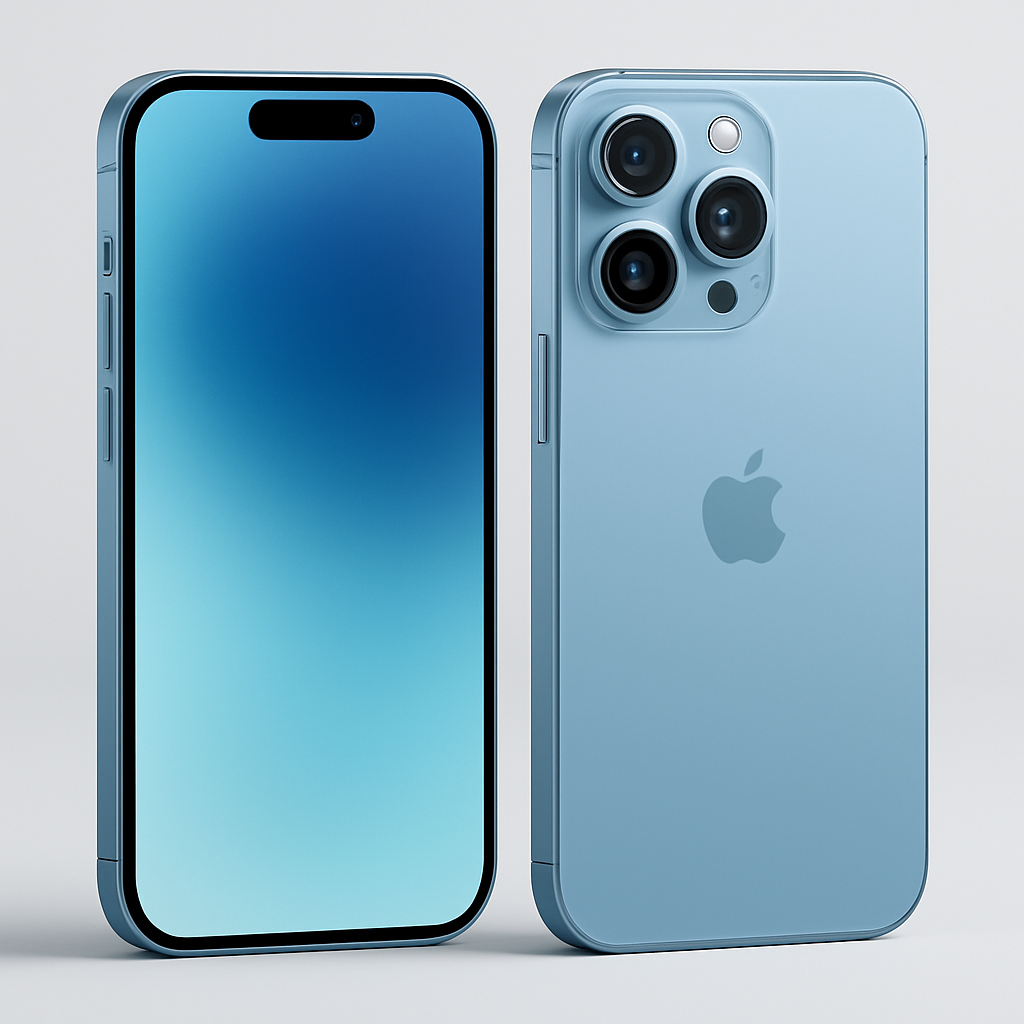
Apple replaces the two-tone aluminum-and-glass combo with a unified look: frame and rear glass now share color. Our glacier review unit is a soft light blue that reads more blue than silver — a shift from earlier tones. Other shades available at launch include burgundy, silver, and black.
The Dynamic Island module has also been reduced in size. That’s achieved by hiding the infrared camera under the screen, making the upper display area feel less intrusive. On top of that, it can now display up to three Live Activities or two with more detail.
Internals: Cooling, Cameras, and Modems
Inside, there’s a 2-nanometer A20 Pro chip powering both models. For most everyday tasks like browsing or social media, the speed bump feels minimal, but the upgraded vapor chamber cooling system brings more noticeable benefits when pushing the phone—gaming or prolonged use. It’s nearly three times larger than in previous models, which promises lower surface temps. Battery promises are up too: up to 36 hours of video playback on the Pro; 45 hours on the Pro Max.
Photography leaps forward with a variable aperture main lens paired with a redesigned sensor. The phone adjusts among four aperture settings automatically—tighter in bright light, wider in dim scenes—and adds Pro controls so users can tweak shutter speed and white balance. A histogram tool rounds out the exposure toolkit. These changes aim to make low-light shots notably better.
Connectivity gets more complex. U.S. buyers of the standard 18 Pro get Apple’s new C2 modem, which for the first time brings mmWave 5G native to this model and improves efficiency. The 18 Pro Max in the U.S. still uses a Qualcomm modem, though outside the U.S. both models adopt the C2.
This is a moderate but meaningful evolution. The newer design delivers more unified aesthetics and visual polish, while internal improvements—cooling, camera flexibility, and modems—target the users who demand performance and image quality. If you’re thinking of upgrading, these features may tip the scale, depending on how much you care about photography or having the latest chip and modem tech. Watch for full camera tests and battery endurance benchmarks now that the phones are officially out.