Apple’s iPhone 18 Pro has leapt forward, especially in photography and imaging. During hands-on testing following the “Surprise and Shine” event, it’s clear Apple didn’t just tweak—it overhauled the Pro’s camera suite with advances that make it much more capable than previous models. While dimensions remain similar to the iPhone 17 Pro, internal hardware, camera control, and visual output have all been meaningfully upgraded.
Visually Refined, But Hardware Goes Deeper
Aesthetically, the iPhone 18 Pro is offered in four finishes: Glacier (a vivid blue), Burgundy, Silver, and Black. Notably, Apple has addressed past criticisms by introducing a true black option and refining the Silver edition so the embedded glass matches the finish, giving it a more seamless look. The Glacier blue is also more vibrant than expected.
Under the surface, there’s an all-new A20 Pro chip inside. This includes two fresh super cores, a beefed-up GPU, and double the neural engine cores. The cooling system has also been upgraded, with a second-generation vapor chamber delivering faster heat dissipation. Charging speeds improve with wired adapters, and battery longevity has been boosted too. Notably, the smaller Pro model gains Apple’s C2 modem with millimeter-wave 5G support—something previously reserved for larger devices.
Transformative Camera Upgrades
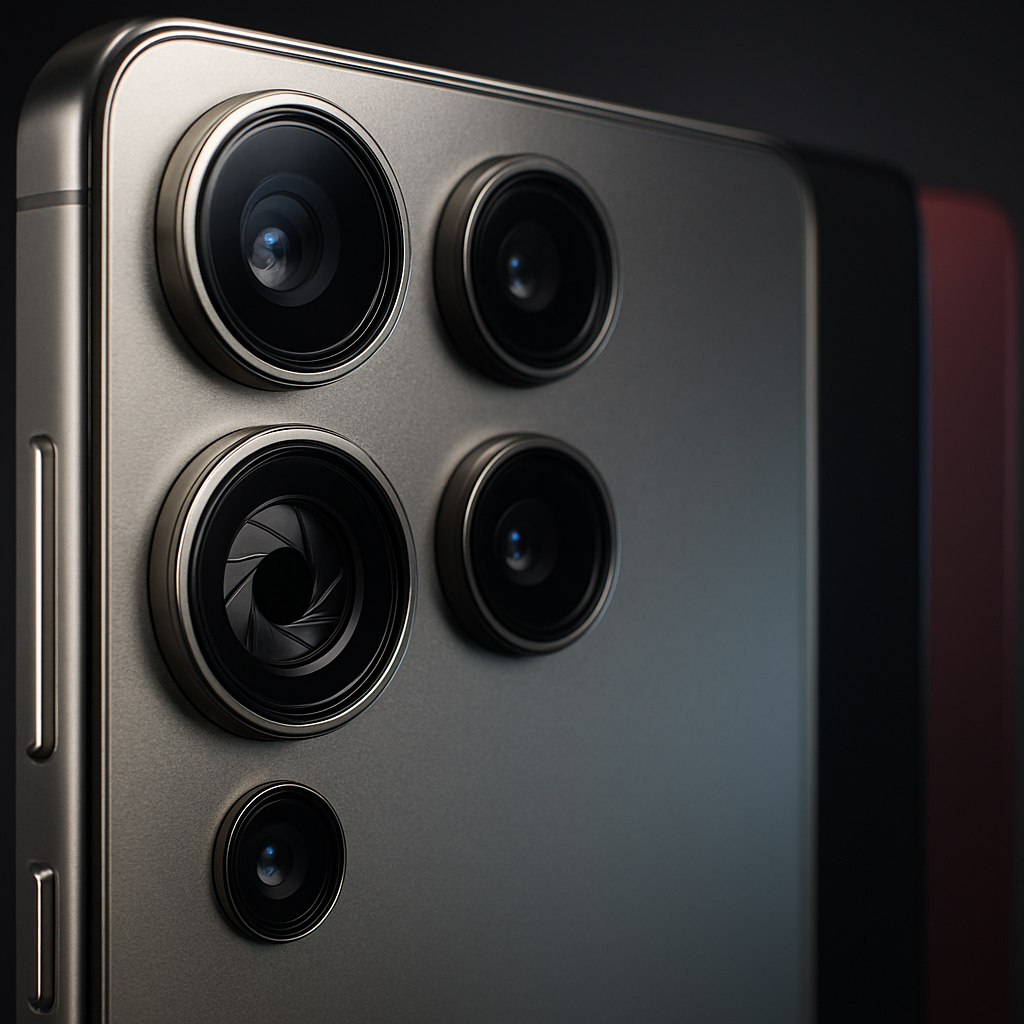
The camera system is where the iPhone 18 Pro really shines. The headline: a variable aperture on the primary wide lens, ranging from f/1.48 to f/4.0. In practical testing, the wider aperture delivers significant low-light gains—Apple estimates about a 50% improvement over the iPhone 17 Pro when shooting wide open. That wider aperture also delivers more pronounced background blur when desired, while stopping down helps when greater depth of field is needed.
For those who want creative control, Apple has added new Pro Controls in the Camera app. These tools allow manual adjustments of aperture, shutter speed, white balance, focus, and viewing histograms. Additional camera enhancements will include support for 4K time-lapse, post-capture blur for Cinematic Mode, an updated Photographic Styles 3, focus tracking, and new audio mixing capabilities.
During limited testing, images taken at different aperture settings demonstrated noticeable shifts—not just in blur but in how subjects and backgrounds are rendered. Even a subject a foot away from the lens had sharper foreground separation when the lens was open versus stopped down.
Image captioning (omitted here) showed the variable aperture at work: f/1.48 produced strong bokeh, while f/4.0 brought more of the frame into focus.
All told, the iPhone 18 Pro seems built more than ever for those who care about camera fidelity, artistic control, and versatile image output.
Why this matters: in recent years, smartphone photography has become a defining battleground among flagship phones. Previously, Apple relied heavily on software processing, sensor size, and fixed optics to differentiate its Pros. But now, with variable aperture and extended manual tools, photography is becoming even more hands-on on iOS.
Final perspective: The iPhone 18 Pro isn’t just another annual update—it’s an ambitious step into greater photographic nuance. For pros, creators, and those who prioritize getting every shot just right, the new camera system is a game-changer. If battery life, long exposure performance, and video under varied conditions deliver as promised, this Pro model could reshape expectations for what a smartphone camera can truly do.