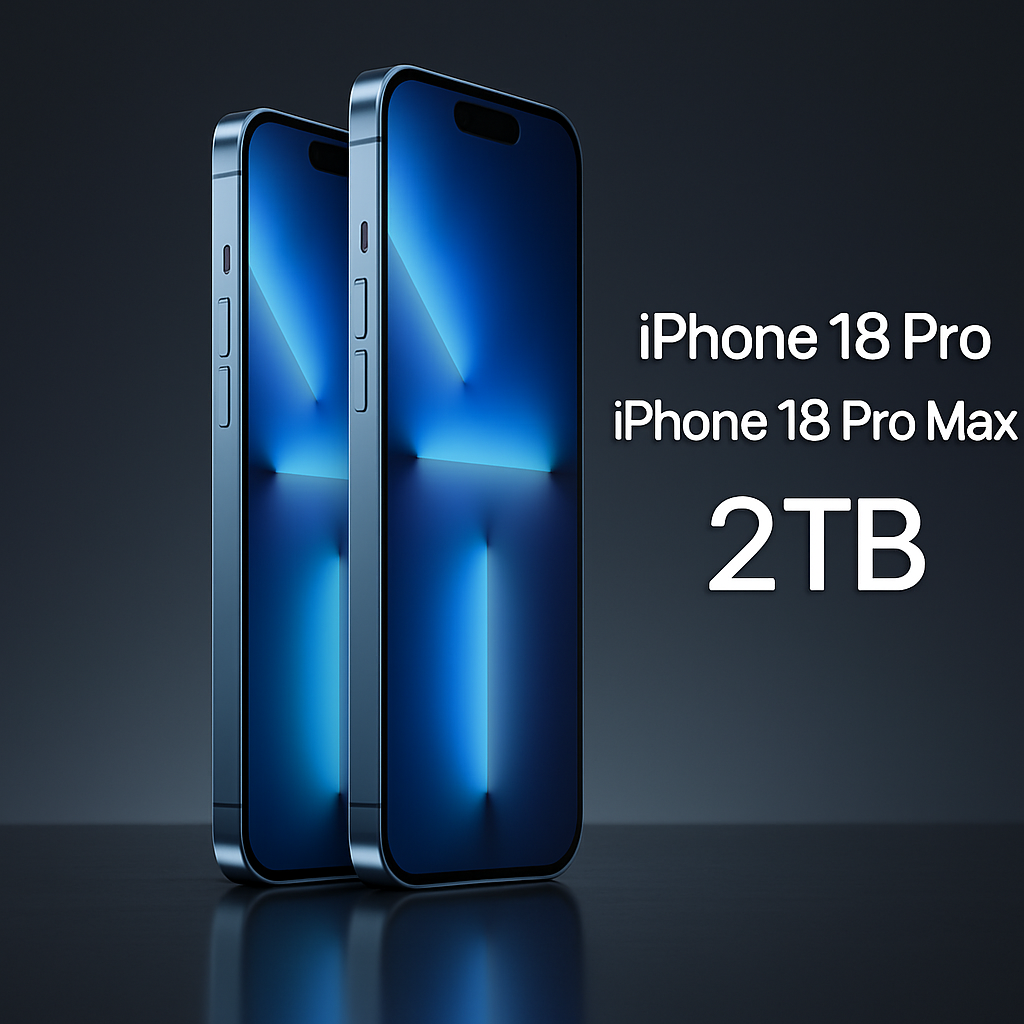
Apple has unveiled its latest high-end smartphones: the iPhone 18 Pro and iPhone 18 Pro Max. Available starting September 9, 2026, the Pro model begins at $1,199 and the Pro Max at $1,299—both with a minimum of 256GB storage. These prices mark a $100 hike over the previous generation. For the first time, users can choose a 2TB storage option, up from last year’s 1TB cap.
Upfront Cost & Payment Options
The base prices—$1,199 for iPhone 18 Pro and $1,299 for Pro Max—reflect the lower tier (256GB) storage. The increment compared to the iPhone 17 Pro lineup matches what had been speculated in advance. Accessories, add-ons, and higher storage will push prices further.
For those looking to spread out the cost, Apple offers its Upgrade Program for the new Pro models. It starts at $34.99 per month over 24 months, though trading in an eligible device can lower that rate. Apple is also offering up to $1,200 off if you trade in an iPhone 14 or newer when upgrading.
What’s Driving the Price Shift
The increase in price comes amid ongoing concerns over global part costs—especially memory—which have already been pushing up prices across Apple’s Mac, iPad, and home device lines earlier in the year.
Analysts had anticipated such hikes, and the actual $100 jump is more modest than some had feared. Still, it reflects a growing trend in consumer tech toward higher-priced flagships as component shortages and inflation take a toll.
This year’s models bring several upgrades beyond just storage. The move to a 2TB option positions the iPhone among few smartphones offering such high capacity. It seems particularly aimed at power users who shoot 4K or 8K video, store large files, or want years of headroom for storage without relying on the cloud.
Analysts previously speculated that Apple might raise prices by even more; in the end the company opted for a single-tier jump. That turns out to be somewhat reassuring for users who worried about steeper inflationary pressure. But it does raise the new question: what does this signal for future price trends?
On a global scale, prices vary based on local taxes, import costs, and exchange rates; the U.S. pricing is likely to be viewed as a baseline. In many markets, the final cost could exceed what U.S. buyers pay.
With the Pro models now starting at 256GB and maxing out at 2TB, trade-in deals, and the Upgrade Program, Apple is clearly positioning these phones for both high-end demand and long replacement cycles. Still, the higher entry point might force more consumer trade-off decisions between storage, features, or opting for lower-tier models.
Ultimately, this pricing move illustrates Apple’s balancing act: managing rising costs while trying to maintain value perception. For those considering the iPhone 18 Pro or Pro Max, storage choices, trade-in opportunities, and international pricing should be key components of the decision.
Why it matters: The new pricing sets a higher entry point for Apple’s Pro-tier phones and introduces the flagship’s first 2TB storage option—indicative of growing pressures from component costs and shifting expectations of smartphone storage. What to watch for next: how consumers respond to the higher pricing, how competitors react, and whether future upgrades will continue to push prices upward.