Apple is extending the free period for satellite connectivity features on iPhone 14, 15, and 16 models for an entire year. This applies to devices activated in countries that already support Apple’s satellite services and are activated on or before September 8, 2026, Pacific Time.
What Features Stay Free, Who’s Covered, and Why It’s Important
Users holding an iPhone 14, 15, or 16—including those who originally had trials set to lapse in 2025 or this year—will enjoy free access to various satellite services for at least another year. Previously, the free period for iPhone 14 had already been extended twice, first beyond its original two-year expiration date set in November 2022, and again more recently. iPhone 16 users are now newly eligible under this rolling extension. Devices must have been activated in supported countries before midnight Pacific Time on September 9, 2026, to qualify.
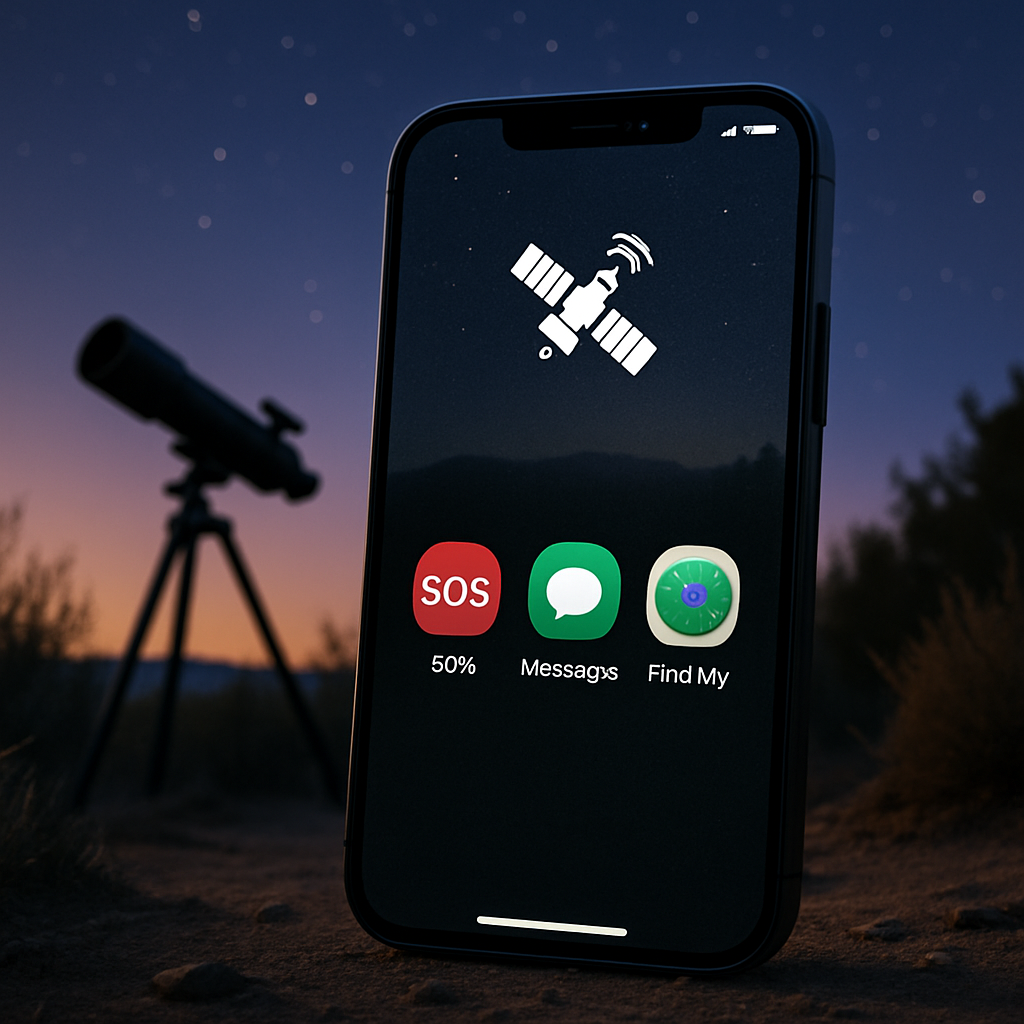
The satellite services include Emergency SOS, Messages via Satellite, Find My via satellite, and Remote Assistance (specifically Roadside Assistance) through satellite where available. These features rely on a partnership with Globalstar and allow users to contact emergency services, share their location, or message even when there’s no cellular or Wi-Fi connectivity.
What’s Still Unknown & What to Expect
Apple hasn’t yet clarified how these satellite features will be priced once the free access period ends. For now, those eligible can continue using them at no cost for this extension. This announcement was part of Apple’s press release linked to its new iPhone 18 Pro and iPhone 18 Pro Max introductions, though the extension applies only to the earlier models for now.
The update takes effect immediately for qualifying devices. If your iPhone 14, 15, or 16 was activated in a supported region before the cutoff, you’re covered. If not—or if your device is later activated—future terms and fees may apply, once announced.
Why This Matters
This move helps reinforce Apple’s commitment to offering safety and connectivity tools beyond traditional cellular limits. For many users—outdoors adventurers, remote workers, or anyone in areas with unreliable service—these satellite services can be lifesavers. It also shows Apple recognizing the importance of giving users more time before transitioning core safety-net features into paid services.
It’s also strategic: the extension not only keeps customers engaged with Apple’s ecosystem, but bolsters trust in its newer devices (iPhone 15, 16), even as Apple rolls out its latest iPhone Pro models. The lack of clarity around eventual pricing means Apple is buying time to evaluate infrastructure, demand, and cost thresholds.
Moving forward, the key will be to watch for Apple’s announcement on pricing, availability in additional countries, and whether similar extensions become permanent benefits for new models. For now, if you own one of the eligible phones and were cautious about losing access to satellite services, this extension removes that worry—for another year.