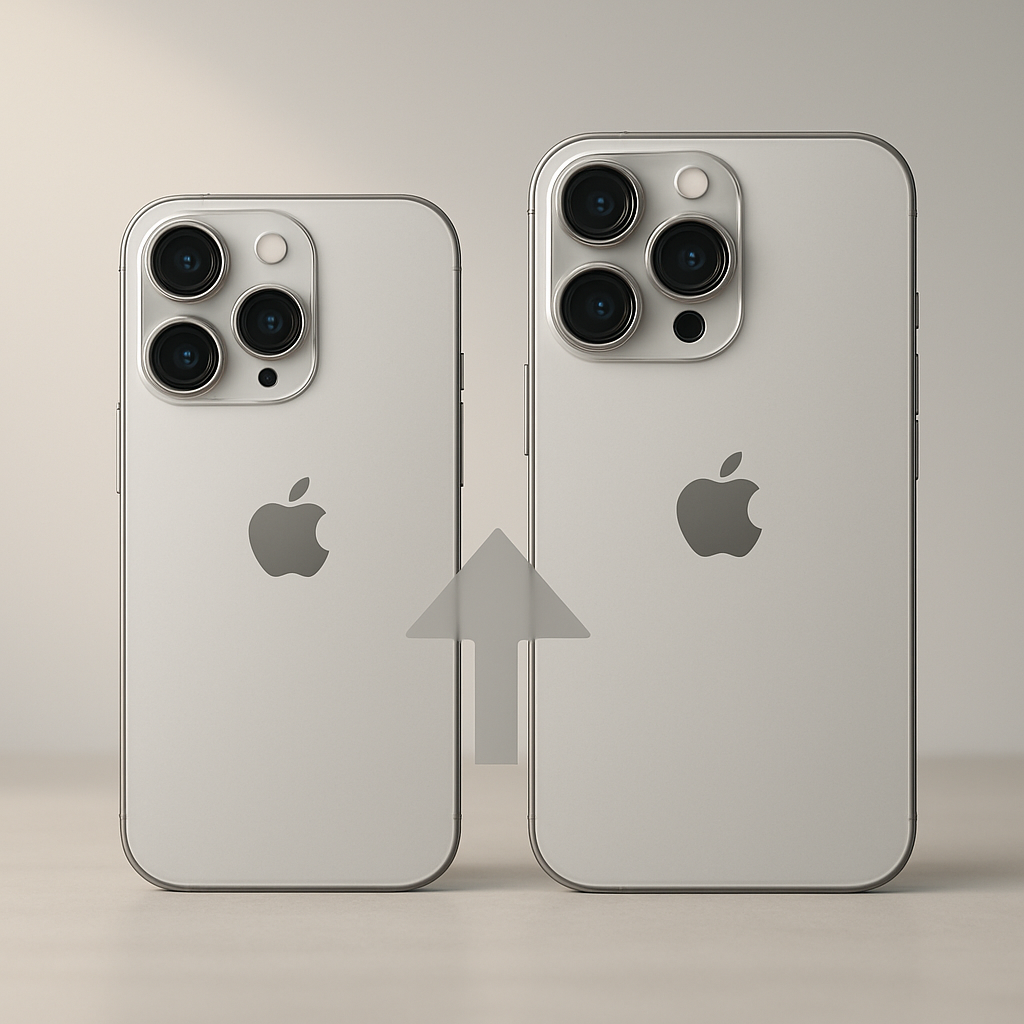
Apple is set to raise the price of its premium iPhones by $100 for the upcoming iPhone 18 Pro and iPhone 18 Pro Max models. This jump is noticeably smaller than many industry analysts predicted ahead of Apple’s September event.
Why This Matters
Throughout the summer, forecasts from analysts and research firms saw potential price hikes ranging much higher. IDC anticipated increases as steep as $200 for the Pro models, while some estimates—factoring in the rising costs of components like RAM, storage, and Apple’s A-series chips—warned prices could climb $300. Another report warned that memory chip prices had surged nearly 400% year-over-year. Despite all that, Apple appears to be opting for a more modest shift.
Rather than absorbing the full burden of cost increases, Apple is balancing between raising prices and offering value. The firm introduced the U.S. “Apple Upgrade” program earlier this year, which allows customers to lease their phones and swap them annually for the latest model. Additionally, trade-in deals and carrier installment plans could help soften the impact of higher sticker prices for many buyers.
Big Picture and What to Expect
In June, Apple raised prices across its Mac, iPad, and home product lines due to global memory supply issues—but held off on changing iPhone prices at that time. The iPhone 18 Pro line appeared likely to follow when those models debut, and now that seems confirmed, although the increase is less dramatic than feared. Earlier projections of a $150 to $200 hike now look overstated, and the more dire $200–$300 scenarios appear unlikely.
With all this in view, buyers anticipating the new iPhones can expect a price that’s higher than the iPhone 17 Pro models but less than many had feared. The decision suggests Apple is conscious of customer sensitivity to price—even for its premium lines—and wants to avoid deterrents to adoption.
What this means: The $100 bump sets the stage for higher baseline costs for Apple’s Pro models moving forward—but by keeping the increase modest, the company may maintain stronger demand. If you were waiting for the price to buy in, this might ease the sticker shock. The real impacts will depend on international pricing, storage configurations, and carrier offers—those remain to be confirmed.