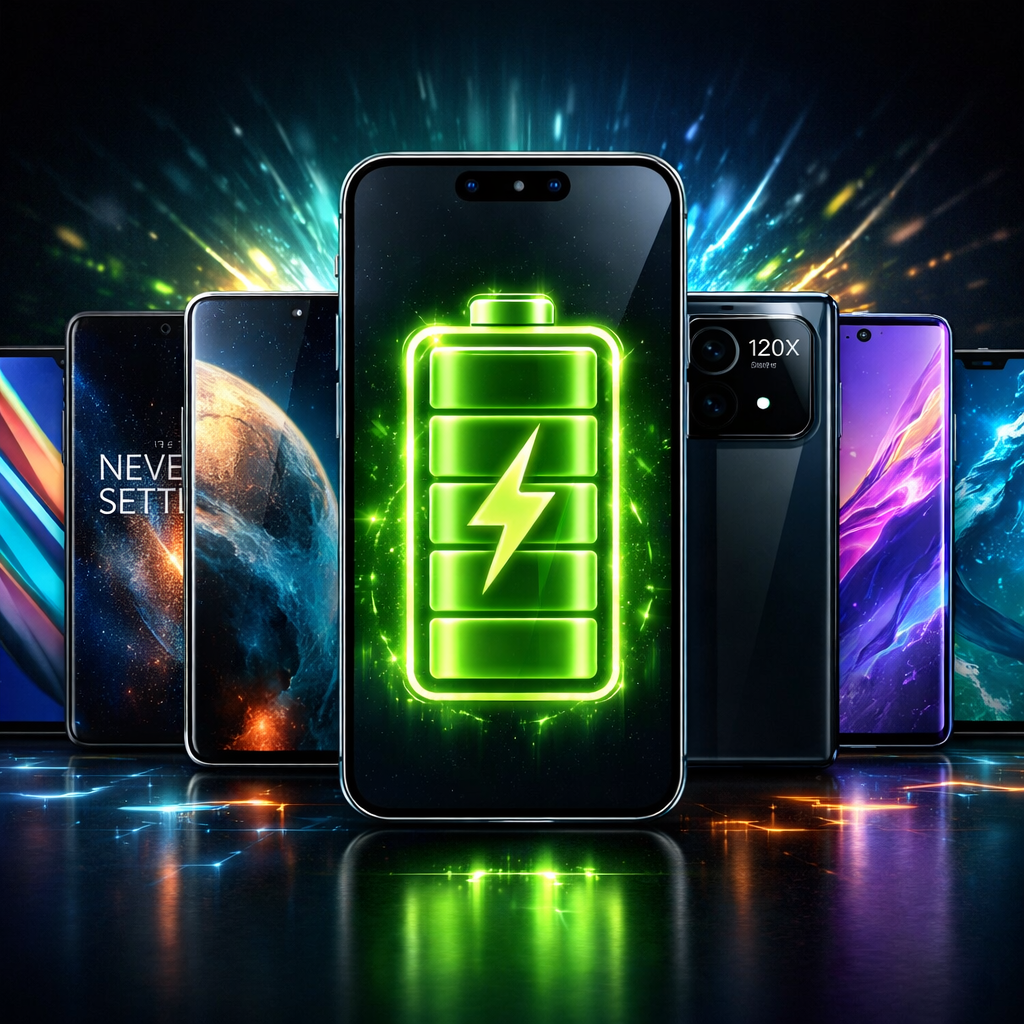
In a comprehensive battery comparison involving 32 current smartphones, the iPhone 18 Pro Max emerged as the top performer. Two demanding tests—one focused on video streaming and another simulating mixed usage—put phones through their paces, and the 18 Pro Max claimed the highest overall score. The testing was conducted by CNET, which applied rigorous methodology to determine real-world battery endurance.
What the battery test involved
The analysis included two separate benchmarks that together took nearly four hours. One test demanded three full hours of video streaming over Wi-Fi at maximum screen brightness. The second test was 45 minutes long and blended video playback, video calls, gaming, and social media. All phones started from a full charge, and their remaining battery percentages were averaged to compile the ranking.
Standouts and how other phones fared
The iPhone 18 Pro Max held onto first place overall. In the mixed-use test, it shared the top spot with Apple’s first foldable, the iPhone Duo—both retaining 99% battery after that portion of the test. Just behind was Google’s Pixel 11 Pro XL, which kept 97%—an improvement over the Pixel 10 Pro XL’s 93%.
For pure video streaming, the smaller iPhone 18 Pro led its class, keeping 94% charge after three hours. Phones like the iPhone 17, and Motorola’s Razr and Razr Ultra models, also performed notably well across both benchmarks.
What drove the iPhone 18 Pro Max’s edge?
The test credits the 18 Pro Max’s lead largely to upgrades major and minor—namely a larger battery than its predecessor, the iPhone 17 Pro Max, paired with the latest A20 Pro chip’s improved efficiency and optimizations in iOS 27. These enhancements seem to have closed the gap between power draw and battery capacity.
Value models and broader industry takeaways
Even less expensive devices fared surprisingly well. The iPhone Duo—though expensive—tied for fourth place overall, serving up performance similar to the $699 iPhone 17e and the much pricier Motorola Razr Ultra. Among mid-range picks, the Moto G Stylus ($500 range) and Motorola Edge ($600 range) broke into the top 10—highlighting that affordable phones are becoming more competitive when it comes to battery life.
Despite the strong performance from some models, the industry as a whole doesn’t seem to be making dramatic strides: phones tested in 2026 offered about the same average battery performance as devices tested in 2024 and 2025. As this comparison shows, improving battery life involves more than just packing in a larger cell. Display tech, chip efficiency, and software optimizations all play crucial roles.
Why this matters: For consumers, battery life often makes or breaks satisfaction with a phone—daily usage spans charging frequency, device convenience, and resale value. Apple’s latest moves with the iPhone 18 Pro Max suggest that the company is once again leading on this front. Going forward, pay attention to whether competitors respond with similar efficiency gains and whether mid-range phones continue closing the gap. For buyers, choosing based on combined performance—not just capacity—will deliver the best results.