When the iPhone 17 launched in September 2025, it brought a suite of upgrades to Apple’s baseline flagship line. One year in, it delivers many of those improvements with staying power — but not without some compromises. This review revisits what’s held up, what hasn’t, and whether filtering out the noise makes the iPhone 17 a smart buy in late 2026.
What’s Still Great
The display remains a major win. The shift to a 6.3-inch Super Retina XDR OLED panel, now matching the Pro model in size, is paired with ProMotion’s 120Hz adaptive refresh rate and Apple’s Always-On display. The screen feels responsive and sharp, especially when scrolling or doing anything interactive — an upgrade long overdue for the standard line.
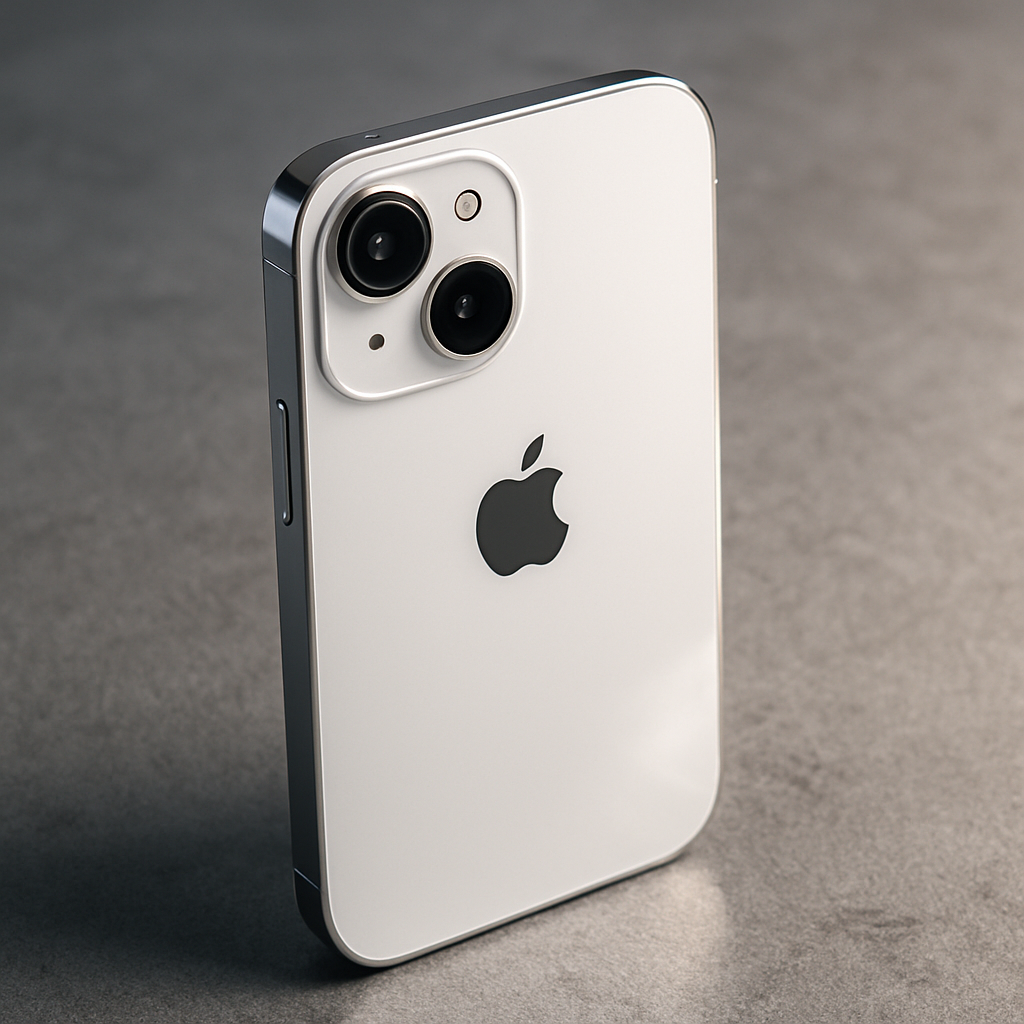
Camera performance still impresses. The base and ultra-wide both use 48MP sensors, bringing improved detail and better edge consistency. The front-facing “Center Stage” lens, capable of landscape framing, continues to deliver value for everyday content. The macro lens finds more use than expected.
In terms of speed and battery, the iPhone 17 holds up. The A19 chip still powers through common tasks without lag, and daily battery life remains strong. With a moderate mix of use—including frequent camera use, Always-On display and travel—it comfortably makes it through the day. Battery is better than its predecessor with Apple’s claims of up to 30 hours of video playback (offline), and tests confirm improved longevity.
What Fades With Time
Size is still the elephant in the room. Users who favored smaller phones — especially those coming from the mini models — report that the 6.3-inch build is hard to handle with one hand, and struggles in tight pants pockets. The protective screen cover evidences its fragility: chips and cracks still show up despite care.
Some of the newer features have got less traction than expected. The Action Button and Camera Control buttons remain mostly unused by many. The Always-On display, while functional, also divides users: appreciated for convenience, but considered a distraction by others. And for those who don’t enable Apple Intelligence, that set of additions adds minimal value.
Pricing is another area of disappointment for some. While it started at $799 — the same base price Apple has held since iPhone 12 — Apple has since raised that for newer launches. Many buyers who missed early deals are now facing higher cost or modest carrier credits. If you buy outright today, the iPhone 17 isn’t the bargain it once felt like.
Verdict: Is It Still Worth Buying?
If you’re holding onto an iPhone 12, 13, or 14, the upgrade to the 17 delivers enough overhauls — display, camera, storage, battery — to justify the jump. For those with a 15 or 16, the improvement is less dramatic unless you’re particularly keen on smoother refresh rates or better ultrawide shots.
Buy now if you want a device that will feel modern for the next four to five years and you care about features more than size or price. Wait if your current phone still works fine, or if size and cost are your higher priorities.
Pros:
- Excellent camera upgrades
- Consistently solid battery life
- 120Hz ProMotion screen on a standard iPhone
- Center Stage front cam
Cons:
- Bulky size for many, especially downgrading from mini-form phones
- Retail price has risen; savings harder to come by
Rating: 4 out of 5
Overall, the iPhone 17 remains a compelling base-flagship one year after launch. It bridges the gap between Pro models and standard ones more than Apple has before, offering many premium touches without paying Pro prices — at least when deals exist. The balance of display quality, performance, and battery life still favors it over older phones.