Apple’s iPhone 17 Propels Company to Record-Breaking Q1 Smartphone Revenue
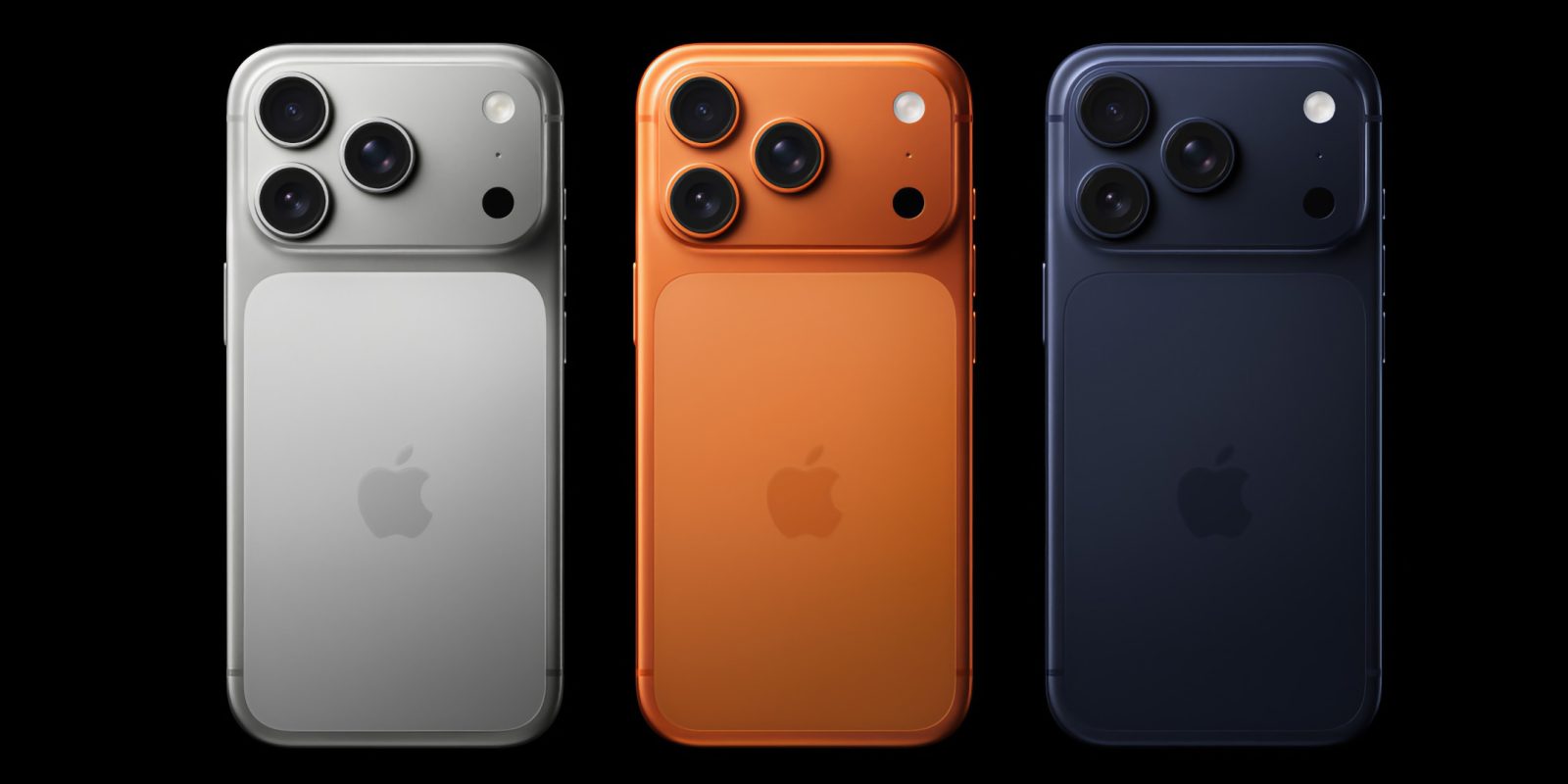
In the first quarter of 2026, Apple achieved unprecedented success in the smartphone market, largely driven by the remarkable performance of its iPhone 17 lineup. According to a preliminary report by Counterpoint Research, Apple captured 48% of the total smartphone market revenue during this period, marking its highest-ever share in a first quarter. This represents a significant increase from the 43% share recorded in the same quarter of the previous year.
Dominance in Revenue and Market Share
Apple’s revenue growth outpaced all other top smartphone brands, with its share rising from 43% to 48% year-over-year. In comparison, Samsung held an 18% revenue share, while OPPO (including OnePlus and realme devices) accounted for 6%, Xiaomi 5%, and vivo 4%. This substantial lead underscores Apple’s dominant position in the market.
Average Selling Price Milestone
The report also highlights a 12% year-over-year increase in the overall average selling price (ASP) of smartphones, reaching $399. Apple, however, achieved a new Q1 high with an ASP of $908. Notably, this milestone was reached without significant price hikes, as Apple maintained stable pricing for its iPhone models. In contrast, competitors like Samsung raised their prices, yet Apple’s strategic pricing and product value resonated more effectively with consumers.
Shipment Shares and Competitive Landscape
In terms of shipment share, Apple and Samsung were tied at 21% each. Xiaomi followed with 12%, OPPO at 10%, and vivo at 7%. This parity in shipment share, combined with Apple’s superior revenue share, indicates a higher profitability per unit sold for Apple compared to its competitors.
Insights from Counterpoint Research
Jeff Fieldhack, Research Director at Counterpoint Research, provided insights into Apple’s performance:
Apple’s growth was driven by sustained demand for the base iPhone 17 and iPhone 17 Pro Max, with a stronger mix of these models lifting Apple’s overall ASP by 11% YoY. Unlike its peers, Apple mostly maintained stable pricing despite rising BOM costs, reflecting its ability to absorb cost pressures and remain insulated from the memory crisis, which helped strengthen its competitive position during the quarter. Regionally, Apple saw broad-based strength, especially across the Asia-Pacific region, driven by subsidies, promotions, and trade-in offers.
Factors Contributing to iPhone 17’s Success
Several factors have contributed to the iPhone 17’s exceptional market performance:
1. Enhanced Features and Value: The iPhone 17 series introduced significant upgrades, including higher base storage, improved camera resolution, and increased display refresh rates. These enhancements brought the base model closer to the Pro variants, offering consumers greater value and narrowing the feature gap between models.
2. Stable Pricing Strategy: Amid rising bill of materials (BOM) costs and a global memory shortage, Apple maintained stable pricing for the iPhone 17 series. This approach contrasted with competitors who increased prices, thereby strengthening Apple’s competitive position and appealing to price-sensitive consumers.
3. Strong Regional Performance: Apple’s strategic initiatives, such as subsidies, promotions, and trade-in offers, particularly in the Asia-Pacific region, bolstered demand. These efforts resulted in double-digit year-over-year growth in key markets like China and the United States, and a threefold increase in South Korea.
Customer Satisfaction and Market Impact
The iPhone 17’s success is further evidenced by a 99% customer satisfaction rate in the United States, as reported by 451 Research. This high level of satisfaction reflects the device’s quality and the positive reception of its new features.
Future Outlook
While the overall smartphone market is expected to face shipment declines throughout 2026 due to ongoing supply chain challenges, the average selling price is projected to continue rising. This trend is attributed to the persistent memory crunch and associated cost pressures. A substantial market recovery is anticipated only in late 2027.
Conclusion
Apple’s record-breaking performance in Q1 2026, driven by the iPhone 17’s strong demand, underscores the company’s strategic prowess in product development, pricing, and market positioning. By delivering enhanced value without significant price increases and effectively navigating supply chain challenges, Apple has solidified its leadership in the competitive smartphone market.