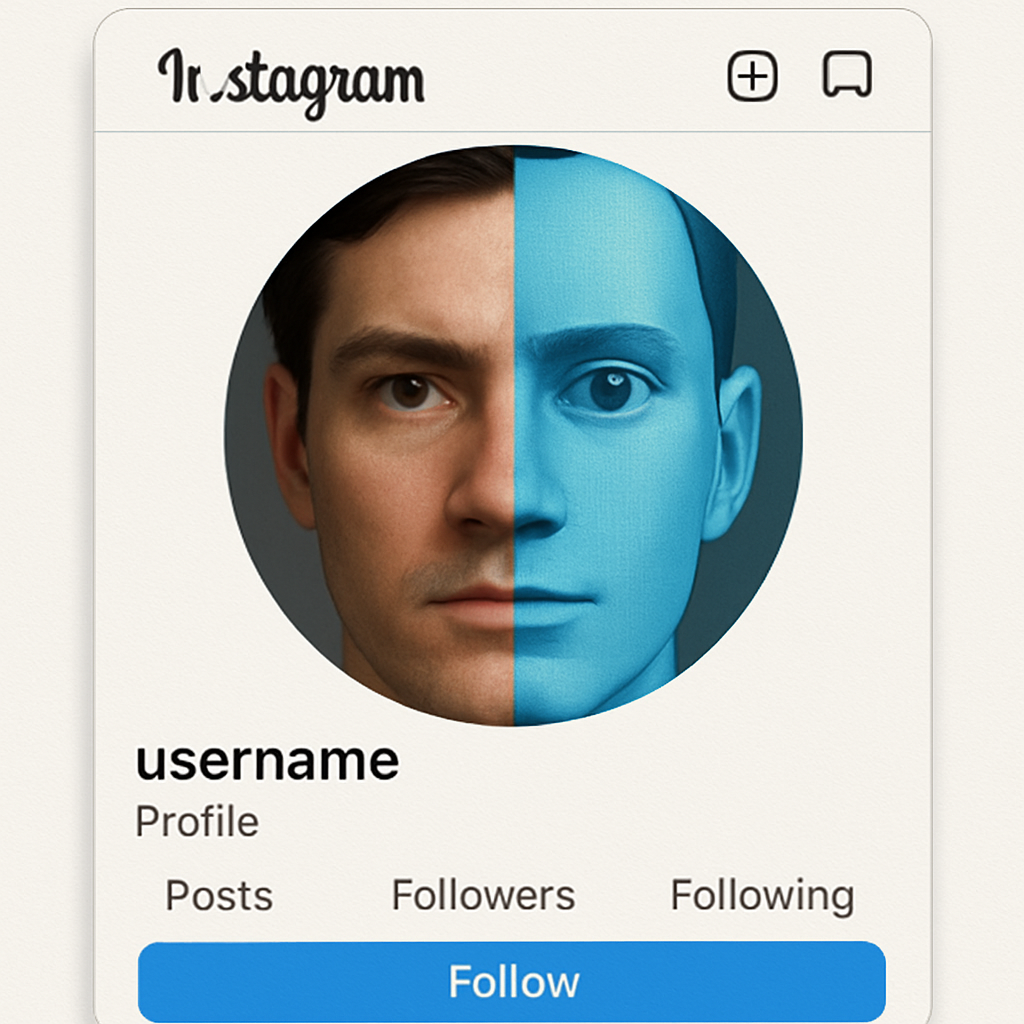
Instagram is rolling out stricter policies for profiles that use AI to generate or substantially alter images of people without making it clear. The platform is renaming its “AI creator” tag to “AI-generated profile,” aiming to make it clearer when a profile features someone who wasn’t real or was heavily modified using generative tools. Profiles using this label won’t be penalized just for being AI-generated, but those that omit it could see their reach reduced.
This change doesn’t apply to all uses of AI. If AI is used to edit photos, improve captions, design graphics, or make artistic tweaks, the new profile tag isn’t required. It only comes into play when the person shown in a profile is created or substantially altered by AI.
Why the shift? Rising concern over AI influencers and authenticity
The update reflects growing user unease around accounts that appear human at first glance but turn out to be fully AI-made. Such profiles are becoming more common across various social platforms. Instagram says many users are frustrated by the discovery that a striking image was never real. The renaming of the label is meant to address that gap in transparency.
The platform’s move follows reports of AI influencers pushing apps, wellness products, or other content in ways that fooled people into thinking they were interacting with real individuals. In several cases, these AI avatars directly messaged users or promoted products without disclosing their nonhuman nature.
Broader context: Tech regulation and platform responsibility
This policy change comes in the wake of prior controversy over Instagram’s tools that allowed users to generate images using real people’s likenesses without permission. After backlash, that AI feature was removed. Additionally, Meta—the parent company—has recently settled an $18 billion case with U.S. states over concerns about Instagram and Facebook’s impact on young users. Part of that settlement includes introducing daily usage limits for teens, nighttime blocking, and educational notifications during school hours.
These new labeling requirements add to growing pressure on platforms to regulate generative AI more strictly, especially where it intersects with identity, trust, and consumer protection.
What to watch: how Instagram will enforce reach penalties for undisclosed AI profiles, how users respond to more transparent labeling, and whether other platforms follow suit. Businesses that use AI avatars will need to update their disclosure practices to avoid visibility loss. This could mark a turning point in how social platforms define authenticity in the age of AI.