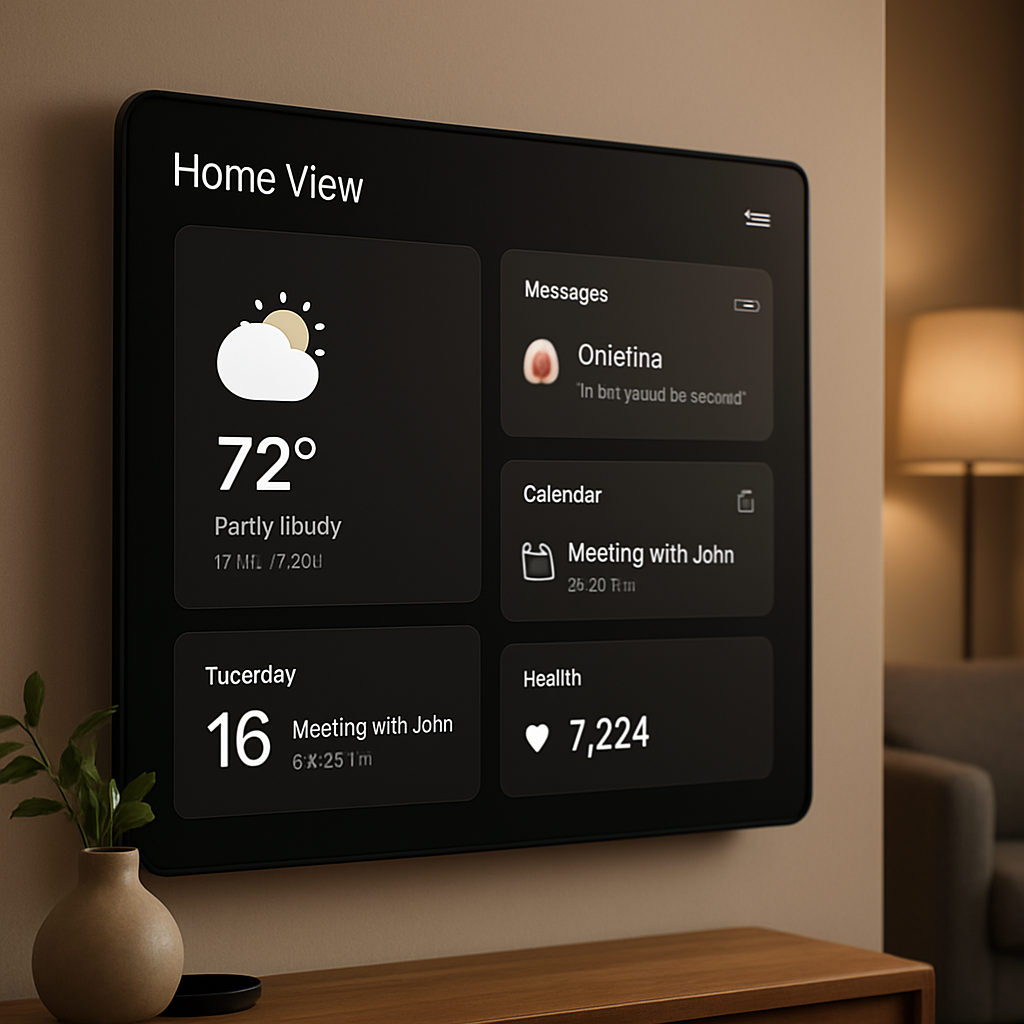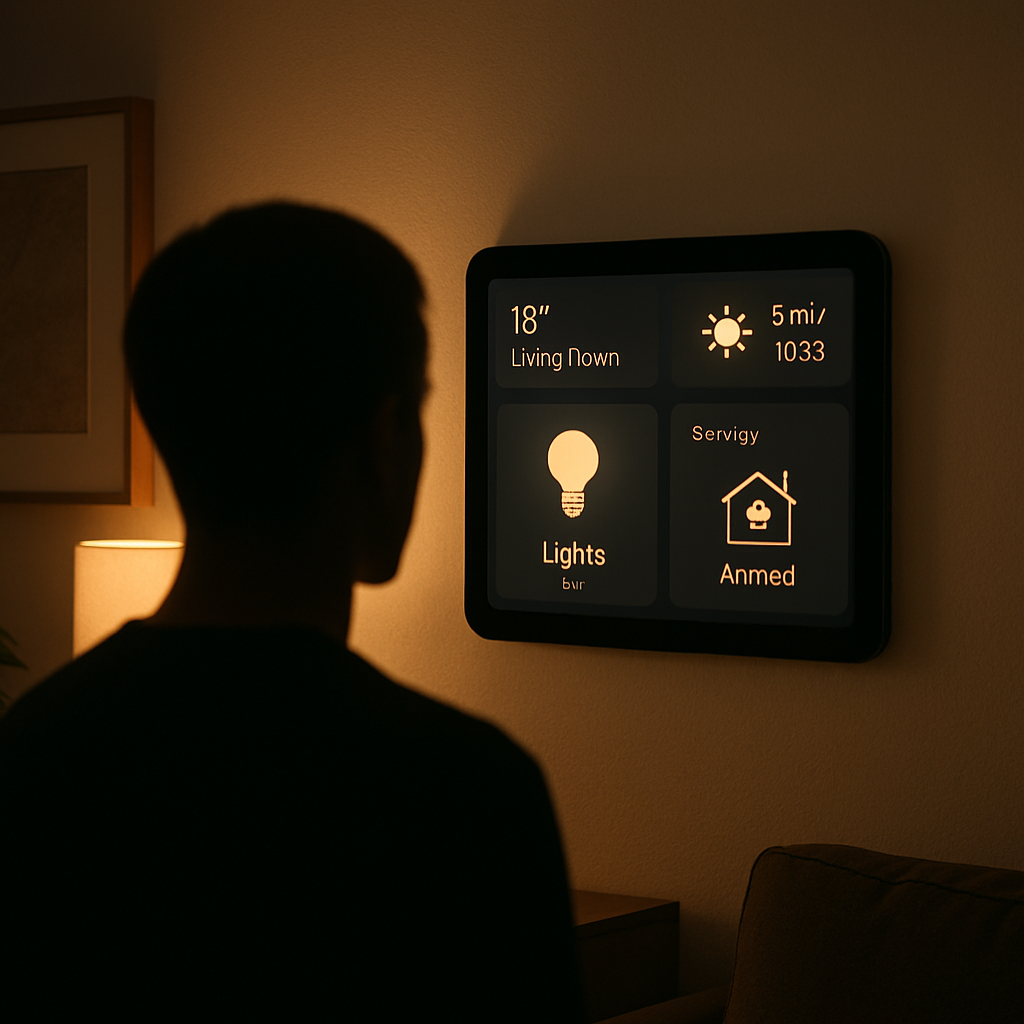
Apple’s newly announced HomeView smart display supports facial recognition tailored to provide individualized experiences for up to six users. While it doesn’t include Face ID, the system ties visual and vocal recognition to other devices to ensure both convenience and privacy.
How it works
For a user to be identified by face or voice through HomeView, one requirement is having a “registered personal device” that supports Apple Intelligence. That device — an iPhone or iPad — must be connected to the home’s Wi-Fi network and have been unlocked recently. The device’s presence and recent unlock act as key signals for HomeView to authorize recognition. Without those steps, HomeView won’t assign personalized content or access sensitive data, even if someone’s face is detected by its Center Stage camera.
What’s excluded, and what’s required
The facial recognition doesn’t rely on Face ID hardware. Instead, it depends on the combination of the display’s camera and the registered status of a compatible device in the home. Notably, Apple Watches are excluded—they do not count as registered devices under this scheme.
Personalized interactions—such as custom voice responses or content based on who’s in front of the display—also require that Siri AI is enabled and set to a language supported by Apple Intelligence. This is part of ensuring that HomeView respects language settings and that recognition features operate under defined conditions.
HomeView is available for pre-order at a cost of $299 and will ship on November 13, 2026.