Apple has quietly reshaped how it develops its flagship operating systems and handled several related software and developer affairs this week, from extending coding periods for new OS work to shuttering longtime support forums. Here’s what’s changing — and why it matters for both users and developers.
Slowing Down to Speed Up: The New Dev Cadence for iOS 28 and macOS 28
Traditionally, Apple breaks its OS development into stages where each stage features four weeks of coding followed by four weeks of convergence, during which features are integrated and validated. However, for iOS 28, macOS 28, and associated updates, Apple has flipped that around: devs are now spending six weeks coding and exploring new ideas, followed by only two weeks of convergence. This gives engineers more breathing room to experiment before locking features in. The new approach reflects a broader push under CEO John Ternus toward agility and creative freedom. These changes apply across all the major OS update stages ahead of next year’s planned beta release in June and public rollout around September.
Forums Closed, Community Read-Only: Apple Ends Support Community
Beginning November 20, 2026, the Apple Support Community discussion forums will be permanently shut down. The forums are already in read-only mode, with no new posts possible. For years, this was a primary avenue for users to share solutions and troubleshooting tips. The announcement came without much advanced warning, leaving many longtime participants unable to post final messages or say goodbye to their peers. Although Apple says the change comes after reviewing strategy and user needs, it hasn’t offered detailed rationale.
iPhone Duo App Optimization: Over 100,000, but Some Big Names Still Waiting
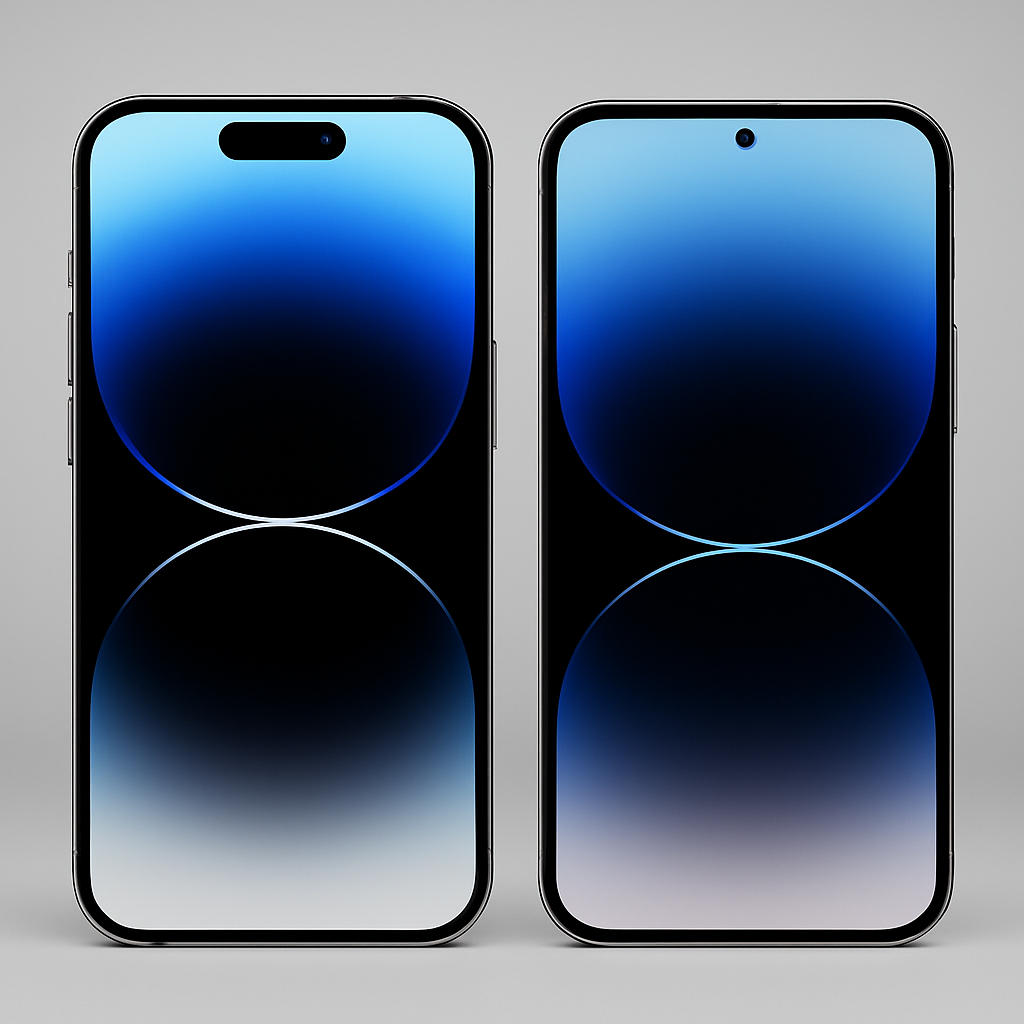
The recently launched iPhone Duo has already received strong app support, with Apple stating that more than 100,000 apps are now built to fully optimize for its inner and outer displays. Using the iOS 27.1 SDK or newer is how an app earns full compatibility, including filling both displays edge-to-edge. While that includes major titles like Netflix, YouTube, Instagram, WhatsApp, and Microsoft Office apps, many widely used apps still run in compatibility modes.
Examples like Venmo, Google Docs, Starbucks, Uber Eats, Microsoft Teams, and Apple’s own Apple Store app are still not optimized. Users can check whether an app is fully adapted by scanning for a “Made for iPhone Duo” badge in the App Store listing when browsing from a Duo device. Updates continue to roll out daily for apps in progress.
Touchscreen MacBook Pro, Glowing Logo, Lighter Build
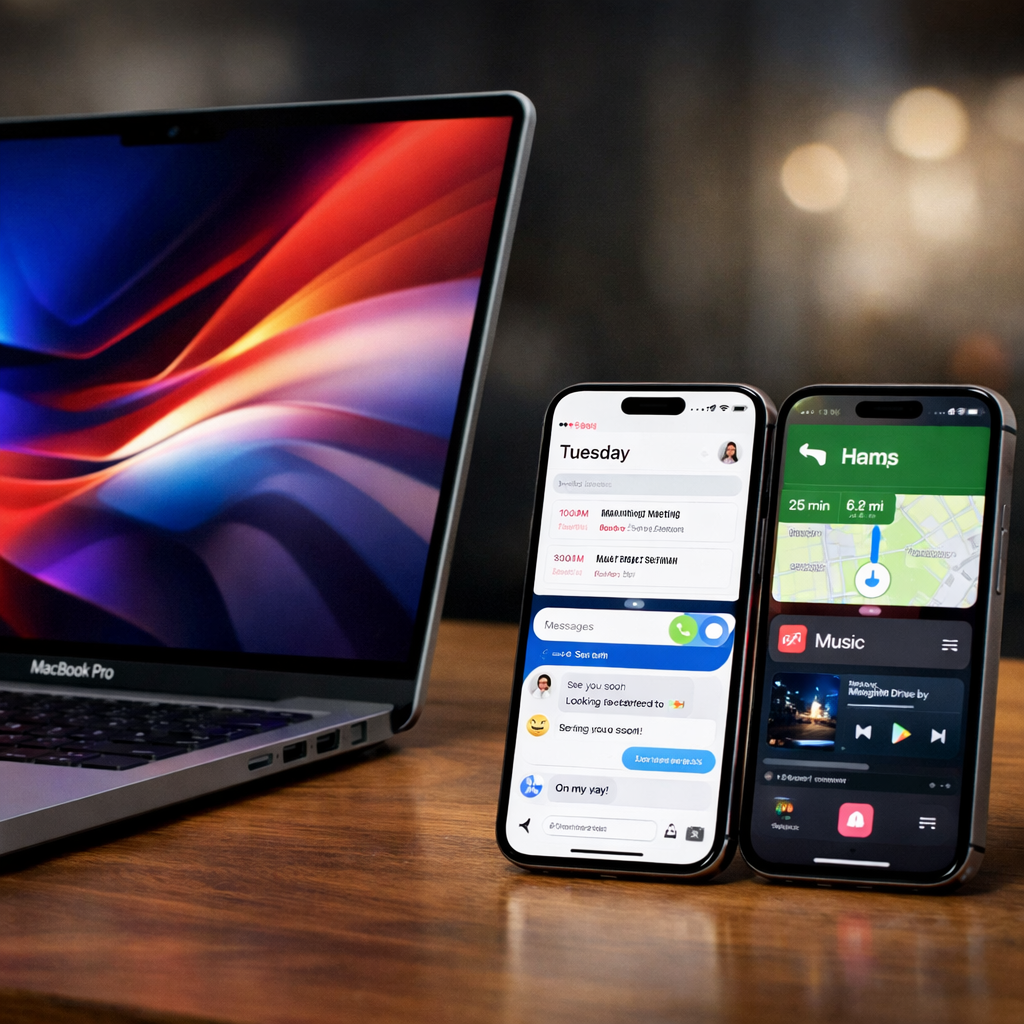
Apple’s new 14-inch MacBook Pro with the PROLED XDR Display marks its first laptop with touchscreen capability. Teardown analysis revealed that despite adding touch and bringing back the illuminated Apple logo, the display assembly lost significant weight—dropping from 485 grams in previous models to 384 grams. Underneath the glowing logo are four LEDs behind the OLED panel, diffused to provide a uniform glow. When inactive, the logo looks like the reflective mirrored finish seen in older non-glowing Apple laptop lids.
However, the glowing logo isn’t easy to service: the part is embedded right behind the OLED, so any repair necessitates dismantling the entire display. The laptop earned a repairability score of 5 out of 10—slightly better than its M5 predecessor but still far from ideal.
Updates & Cleanups
Apple also rolled out iOS 27.2.1 and tvOS 27.2.1 this week, both focused on bug fixes and security patches. The tvOS update included bringing Siri AI to older Apple TV 4K models.
These developments suggest Apple is sharpening its strategy around both software depth and broader ecosystem curation. By giving developers more time to explore, phasing out legacy forums, and pushing app optimization for new hardware, the company seems focused on smoother launches and more polished user experiences.
Looking ahead, the change in OS development structure may mean fewer partially baked features, and prioritizing major SDKs could create more consistency across devices—but there’s also the risk of slower delivery for smaller refinements. As the Duo’s app gap closes and the PROLED evolves, what to watch for: how Apple balances polish vs pace, and how it supports developers during this transition.