Apple’s upcoming iPhone 18 Pro and iPhone 18 Pro Max are likely to retain the screen dimensions seen on the current models—6.3 inches for the Pro and 6.9 inches for the Pro Max—meaning no change in display size this year. However, attention is shifting to updates around the front-facing hardware and how Apple might modernize the design.
Dynamic Island Changes & Under-Display Face ID Rumors
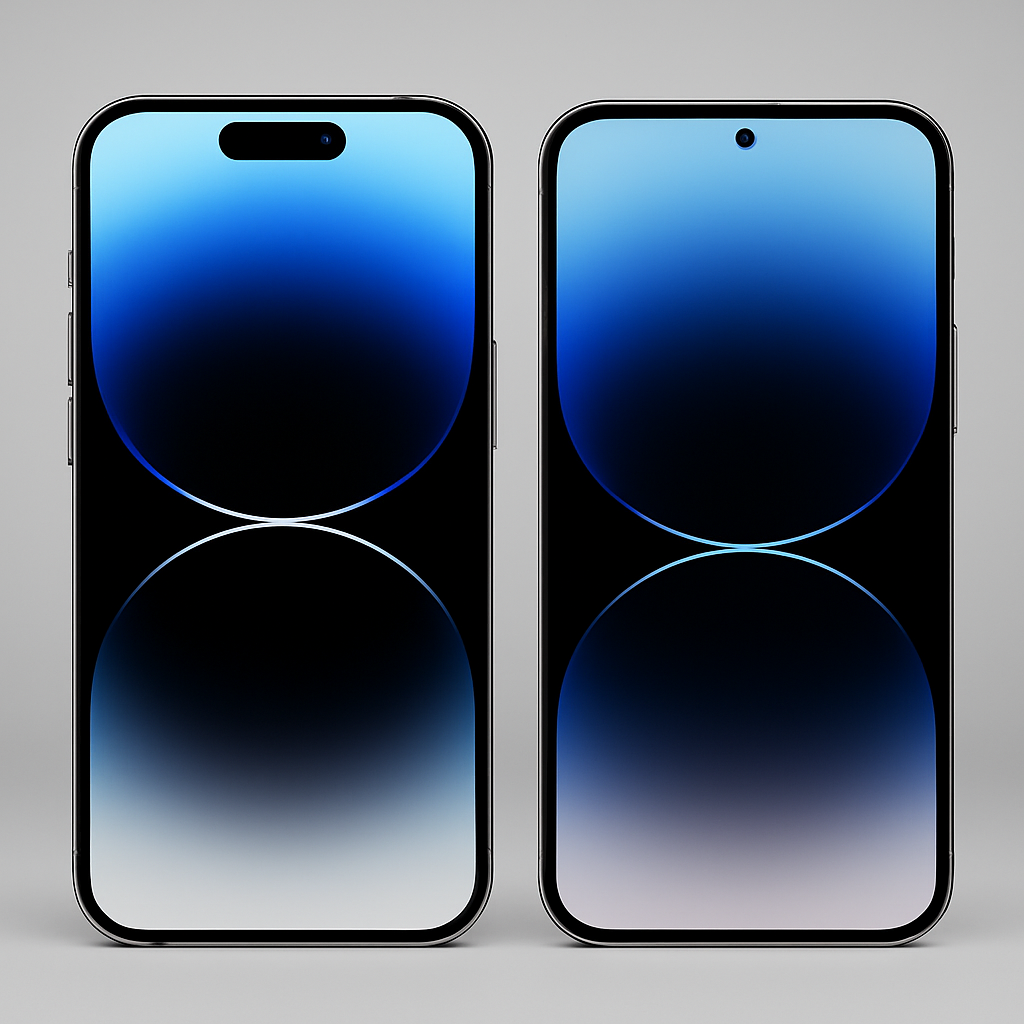
One of the most talked-about upgrades is the potential for under-display Face ID, which would move those components beneath the glass and eliminate the need for a large cutout. Some sources, like display analyst Ross Young, believe this feature could make its debut on the iPhone 18 Pro. At the same time though, most predictions still expect a version of the Dynamic Island to remain—just significantly smaller than today’s design.
Other insiders suggest a dual possibility: Apple was considering using the same screen mold as the iPhone 17 Pro series (keeping most cutout hardware locations unchanged), or introducing a “Mini Dynamic Island” by reducing the size of the visible cutout and burying some components under the screen. A Weibo source known as Ice Universe estimates the narrower cutout would be about 13.5 mm wide—roughly 35% narrower than the current ~20.7 mm width.
Release Timing & Broader iPhone 18 Roll-Out
The iPhone 18 Pro duo is expected to be unveiled on September 9, in line with Apple’s standard fall schedule. Unlike the Pro models, the regular iPhone 18 and the iPhone Air 2 may arrive later, potentially around March 2027.
Summing up the rumored display changes: the most likely scenario is a retention of current screen sizes, a narrower Dynamic Island, possible under-display Face ID, and ongoing design tweaks rather than a full overhaul.
Analysis: Keeping the same display size reduces engineering risk and cost, making changes to the Dynamic Island and Face ID much more feasible for this cycle. If Apple manages to shrink the cutout significantly or hide it under the display, the iPhone 18 Pro could feel much more modern—even without a radical redesign. What to watch: whether the under-display tech is ready in time and whether Apple chooses smaller incremental changes versus a bold shift. These choices will set the stage for what’s possible in future iPhones.