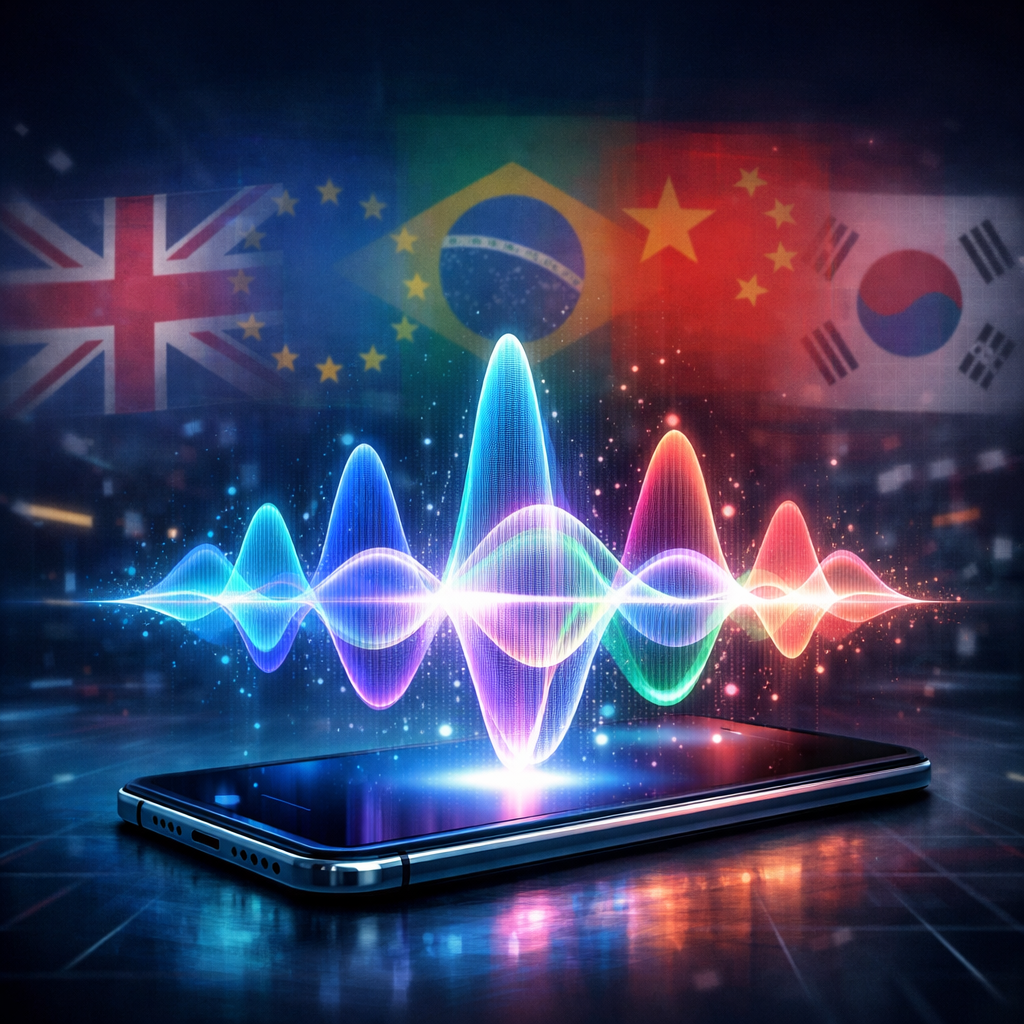
Apple is expanding Siri AI usage caps for iCloud+ subscribers, letting many users interact more with Siri under the Apple Intelligence framework. But this boost in daily allowance isn’t universal — several countries and regions are excluded. Here’s where this change applies, and what’s driving the gaps.
What’s changing for Siri AI request limits
Every user already has a daily Siri AI limit as part of Apple Intelligence. Owners of an iCloud+ plan can now receive higher daily allocations, enabling more frequent usage of Siri’s AI capabilities. These enhanced limits are meant to reward the higher-tier subscription model with greater access to Apple’s evolving AI services.
Who gets the boost — and who doesn’t
While many users around the globe will benefit from the increased allowance, the uplift is blocked in several places. The countries and regions listed as not eligible for raised Siri AI limits include Brazil, China, all European Union member states, South Korea, and the United Kingdom. In China, Apple Intelligence is launching gradually — but Siri AI is not yet part of the rollout there. Apple hasn’t explained why these areas are left out.
Legal rules may be the obstacle
The exclusion of the EU and the UK looks less like a technical hurdle and more a regulatory one. Apple has previously pushed back against the Digital Markets Act in Europe, citing concerns that privacy and security mandates in that law interfere with its approach to AI. In the UK, Apple has resisted government demands including ‘backdoor’ access to iCloud data and tighter App Store regulations. Brazil and South Korea are under pressure for similar reasons: Brazil has forced Apple to allow alternate app marketplaces and payment systems, while South Korea penalized Apple over App Store rules and commission rates.
This patchy availability highlights tensions between innovation in AI-driven features and government regulation of privacy, security, and platform control. Apple appears unwilling to roll out enhanced Siri AI access in jurisdictions where it sees legal risk or conflicting mandates.
The broader Apple Intelligence effort, including features like Siri AI, is part of the company’s push into AI-assisted experiences across iOS, macOS, and their services. Users with compatible hardware and software are already seeing new features like smarter suggestions, interactive voice commands via Siri, and other AI-assisted tools. Raising quotas for iCloud+ subscribers fits with Apple’s strategy to tie more advanced AI usage to subscription tiers.
What this means going forward: Users excluded under these limits can expect that Apple’s stance will be shaped largely by regulatory environments. If future laws or rulings in their country change, access may follow. For Apple, the tension is clear: balancing compliance with regional regulatory demands while maintaining its product vision in AI.
Analysis:
Apple’s decision to offer higher Siri AI usage to iCloud+ members signals that the company views AI features as premium value, closely tied to subscription revenue. This move underscores the growing trend in tech where access to advanced AI services is not just about capability but also about paying for permissions. The regulatory roadblocks in regions like the EU, UK, Brazil, and South Korea reveal that policy will heavily influence the pace and place of AI feature rollouts. Observing how Apple navigates these legal tensions — especially in jurisdictions enforcing strict data and platform laws — will be key. For users, the gap in access will likely prompt pressure for transparency and legal clarity from both companies and regulators.