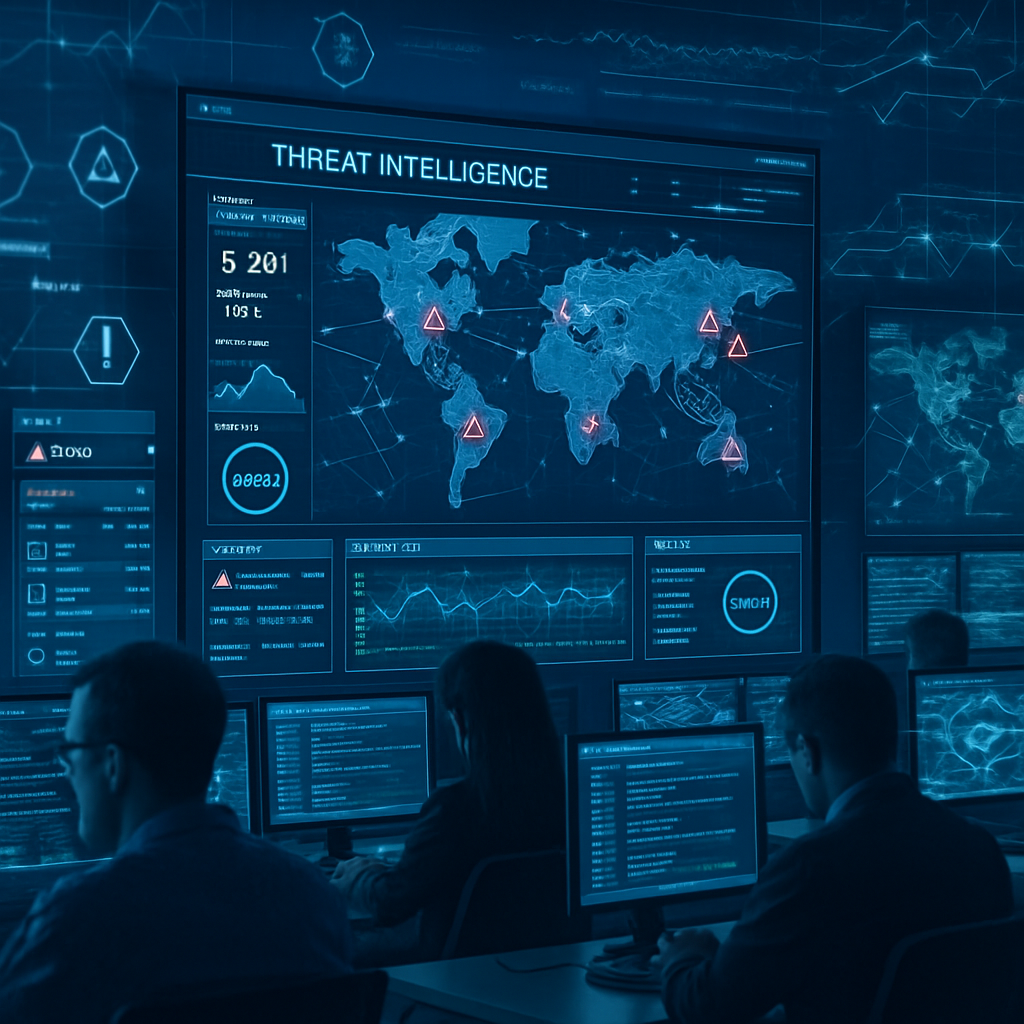
Modern security operations centers (SOCs) face a dizzying array of threats, tools, and data sources. Choosing a threat intelligence provider isn’t just about aggregating large volumes of indicators—it’s about the relevance, context, and workflow fit that help teams respond faster, hunt more effectively, and prioritize effort. This guide walks through the core criteria U.S.-based SOCs and CISOs should evaluate to find the right solution.
Define Objectives Before Features
Start by clarifying what your security team needs intelligence to achieve. Whether your priorities are accelerating alert triage, surfacing indicators for threat hunting, supporting malware analysis, or offering proactive monitoring, requirements shape what solution is right. If you operate an MSSP, you’ll likely have to add concerns like multi-tenancy and customer data isolation. Inventory your workflows, data flows, required freshness, automation, and permissioning before comparing products.
Quality, Context & Currency Matter
A large intelligence database won’t help if data is stale or lacks validation. Instead, focus on how up-to-date and reliable indicators are, how they’re sourced, and how much surrounding context—related domains, malware families, infrastructure—comes bundled. Aggregated systems risk overwhelming analysts with duplicates, noise, or conflicting reports unless complemented by enrichment tools. Contextual enrichment lets teams trace relationships among indicators and see what lies behind unfamiliar assets.
Automation, Integration & Scaling
A core requirement is ensuring the solution blends into your existing stack—SIEM, SOAR, EDR/XDR, firewalls, case tracking, etc. Check not just for API support, but quotas, throughput, response time, and SDKs. Integration with standards like STIX/TAXII can smooth automation and interoperability. Pay close attention to scalability: as usage scales, so do API calls, data volumes, and team collaboration needs. For MSSPs, this also means secure segregation of customer environments and data.
Hands-on Testing & Analyst Usability
Claiming support for threat hunting or alert triage is one thing. Seeing how real analysts perform with the tool under your use cases is another. Conduct proof-of-concept trials using actual historical alerts—malicious, benign, gray-area—and measure things like time to triage, false positive rate, search responsiveness, and contextual insight. Look for workflows that let an analyst pivot quickly between related indicators and investigations, instead of hopping between dashboards.
Dark Web Visibility and TCO
Depending on your risk profile, dark web monitoring may offer value—but only if it provides credible, actionable findings and integrates with your response process. And as always, cost isn’t just subscription price. Factor in onboarding, infrastructure, maintenance, analyst time, and overage costs tied to high-volume API usage. Metrics like improvements in MTTR (mean time to respond), reduction in manual labor, and more threat coverage can help calculate return on investment.
Choosing the right threat intelligence provider comes down to aligning the tool with your people, workflows, data, and risk landscape. It’s not a checklist—it’s a process of testing, iterating, and measuring what actually produces faster, higher-fidelity detection and response for your team.
Why It Matters
Threat intelligence is a force-multiplier or a costly distraction, depending on how it’s deployed. Teams that choose tools based on speed, context, and integration stand a better chance of catching attackers early—while those chasing buzzwords or volume alone risk drowning in alerts, missing threats, or burning out their analysts. The best solutions make threat intelligence not a side project, but a driver of smarter, faster, leaner security operations.