Hackers are increasingly misusing Active Directory’s built-in replication system to impersonate domain controllers and steal password hashes without having to infect a domain controller itself. This method, known as a DCSync attack, enables attackers to pull credentials for privileged accounts through the Microsoft Directory Replication Service protocol. Such attacks allow gaining access to NTLM hashes and even the KRBTGT account hash, which is central to Kerberos authentication.
What Is a DCSync Attack?
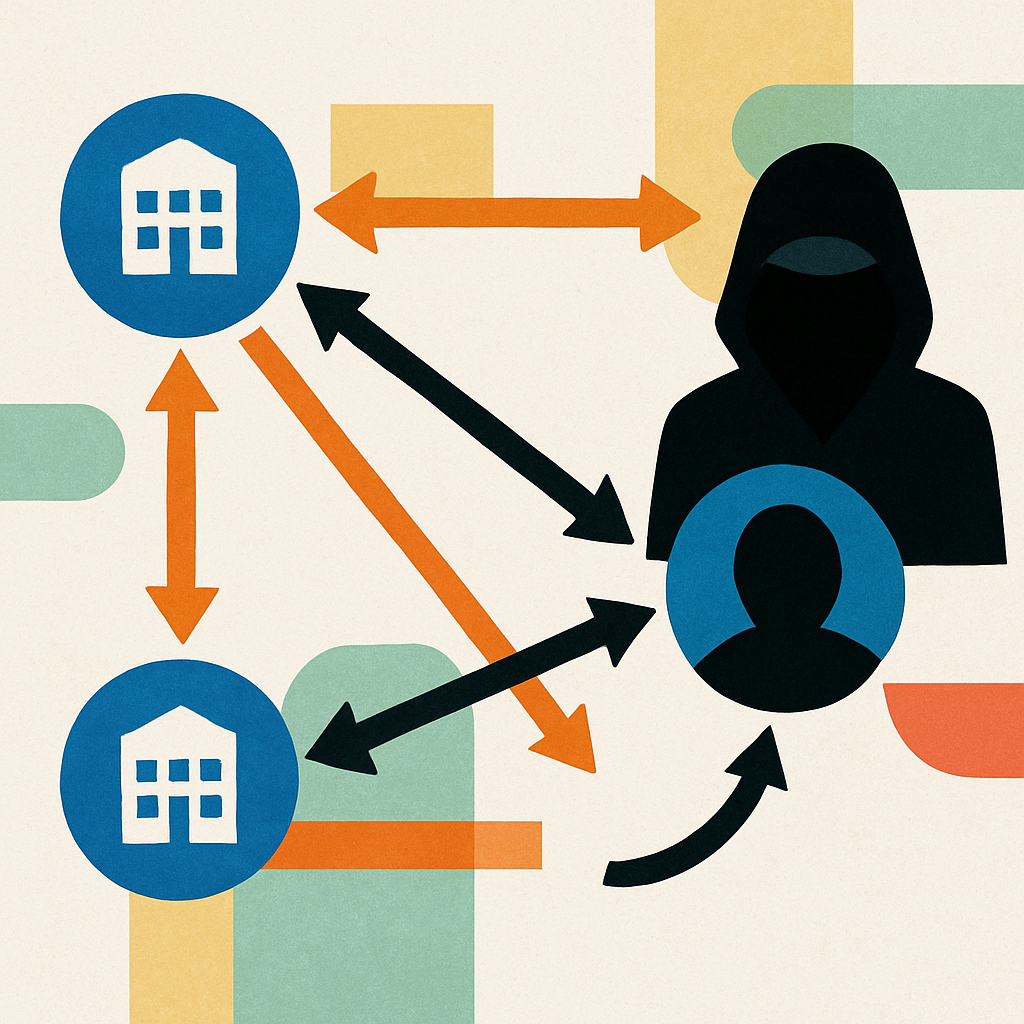
Active Directory (AD) environments rely on multiple domain controllers to synchronize authentication data—such as user credentials, password hashes, and group memberships—across servers so users can log in from different locations. A DCSync attack exploits this process. Once an adversary gains Domain Admin rights or permissions related to replication, they can impersonate a legitimate domain controller and request replication data from a real one. That data includes NTLM password hashes that can be cracked offline or abused via pass-the-hash attacks.
One especially critical target is the KRBTGT account, used by the Kerberos Key Distribution Center to sign its ticket-granting tickets. Possession of its hash allows attackers to forge Kerberos tickets—known as Golden Tickets—granting access deep into an AD environment, often persisting beyond credential changes.
Why This Attack Vector Is Especially Dangerous
DCSync attacks sidestep traditional defenses that watch for signs of credential theft (for example, memory-dumping tools interacting with LSASS). Because replication is a legitimate AD operation, malicious behavior can look like standard traffic. Detecting when a replication request is coming from a non-controller system—especially if it represents abnormal volume or pattern—can be tough.
Also, once attackers gain the hash of the KRBTGT account, they can maintain privileged access through forged tickets. Even after passwords are reset, unless the KRBTGT account itself is reset properly—and twice—those forged tickets may still be valid.
Defensive Steps Organizations Should Take
Detecting DCSync attempts requires behavior-based monitoring. Look out for replication requests coming from unexpected servers or workstations. Prioritize alerts when unsanctioned systems are making large-scale replication data requests.
Access control matters: restrict who has replication permissions, periodically review privileged group memberships, and use tiered administrative models. Introducing privileges that are isolated to specific tiers helps ensure a compromise in one area doesn’t allow immediate domain-wide access. Adding multi-factor authentication (MFA) and using dedicated privileged access workstations provide further barriers.
Specifically, after any suspected incident, the KRBTGT account should be reset *twice* to invalidate any Golden Tickets in circulation. Otherwise, attackers could maintain persistence even after password changes.
DCSync attacks are a vivid illustration of how identity infrastructure is under constant threat. By misusing legitimate protocols and blending into normal network operations, attackers can open up enterprise environments to long-term breaches. As organizations increasingly migrate services to cloud or hybrid setups—yet still rely on AD backbone—securing replication, domain controller identity, and privileged credentials becomes ever more critical.
Analysis: This form of attack shows how sophisticated adversaries are leveraging the trusts and privileges built into enterprise identity systems rather than relying on malware or obvious compromises. It highlights the urgent need for organizations to shift from perimeter-based defenses toward continuous monitoring of identity activities and privileged access. The true prevention of DCSync risks won’t just happen with stronger passwords or MFA, but with strict least privilege policies, rigorous control over domain controller impersonation, and disciplined credential hygiene.