Zach Yadegari’s Cal AI hit a rare sweet spot: explosive user growth before adulthood, then conversion into serious revenue. Founded when he was still in high school, Cal AI flew past 15 million downloads and pulled in more than $30 million in annual revenue. That momentum caught the attention of MyFitnessPal, which acquired the company in December 2025—all before Yadegari turned 20.
The Product Built to Break Out
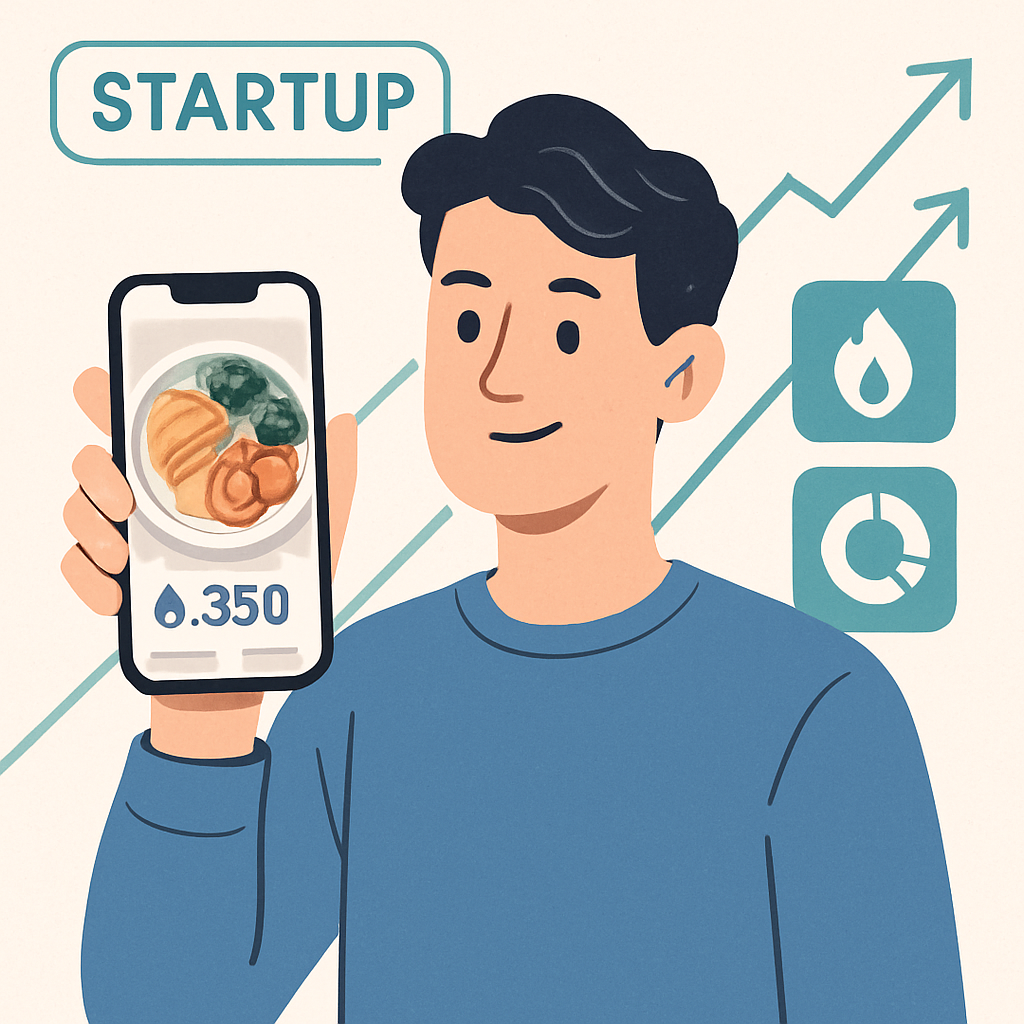
The idea behind Cal AI is deceptively simple but powerful: users take photos of their meals, and the app leverages image recognition plus the phone’s depth sensor to analyze calories, protein, carbs, and fat. That combination of clarity and convenience appears to have pulled people in fast.
But the infrastructure behind that simplicity won’t accommodate millions of users without durability. Cal AI’s journey from appeasing curiosity to retaining users, avoiding churn, and maintaining engagement required deliberate focus on product flow, feedback loops, and early monetization paths. Turning surge into staying power is often more difficult than racking up installs.
From Viral Attention to M&A
Before Cal AI, Yadegari had built Totally Science, a platform that pulled over 5 million users during the pandemic. That early experience helped inform traction and scaling strategies after launch.
After Cal AI’s rapid ascent—15 million downloads, $30 million ARR—MyFitnessPal stepped in with a deal that left the app independent, kept its core team intact (seven people), and left Yadegari leading. That structure often helps when integrating a breakout startup into a larger company without losing what made it special.
The lessons Yadegari plans to share at Disrupt 2026 will focus on what it takes to build for virality, how to sustain it, and what pitfalls to anticipate—from overburdening infrastructure to falling short on retention and engagement.
Disrupt 2026 runs October 13–15 at Moscone West in San Francisco. With over 200 sessions across six industry stages, the event will bring together more than 10,000 founders, operators, investors, and 300+ startups—all looking to decode stories like Cal AI’s.
Why this matters:Viral growth gets headlines, but founders know it’s fragile unless supported by strong retention, solid infrastructure, and smart monetization. Cal AI is a case study in how to ride a breakout wave without wiping out the craft beneath it. For anyone building consumer apps—especially in health, AI, or image recognition—the takeaway is clear: design to scale, not just to go viral. Watch how Cal AI handles product pressure, community expectations, and long-term engagement now that it has a much larger stage.