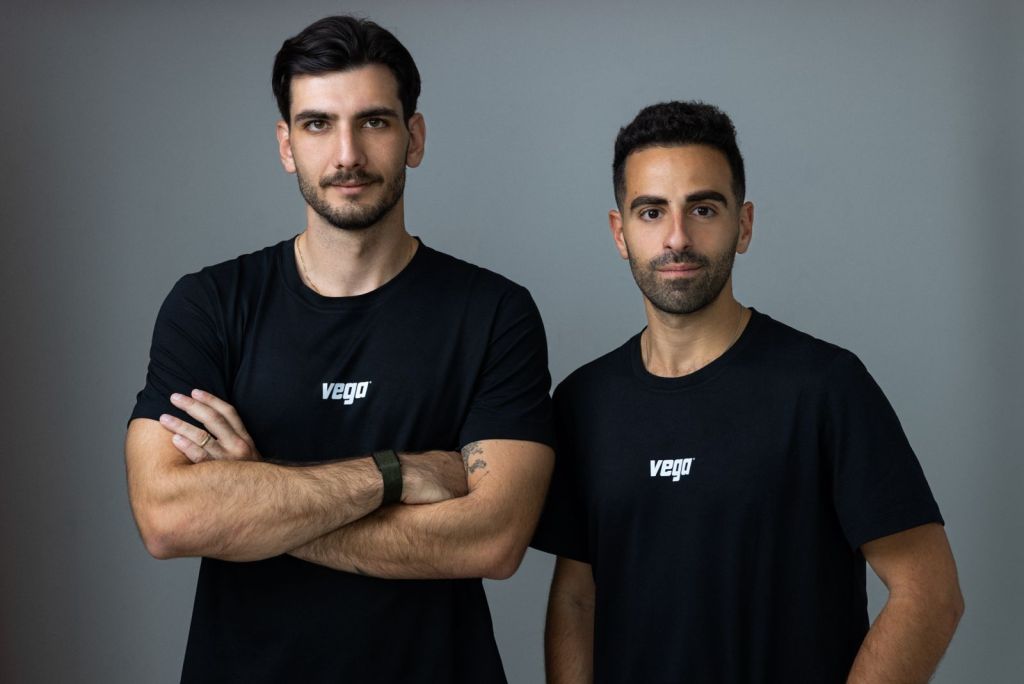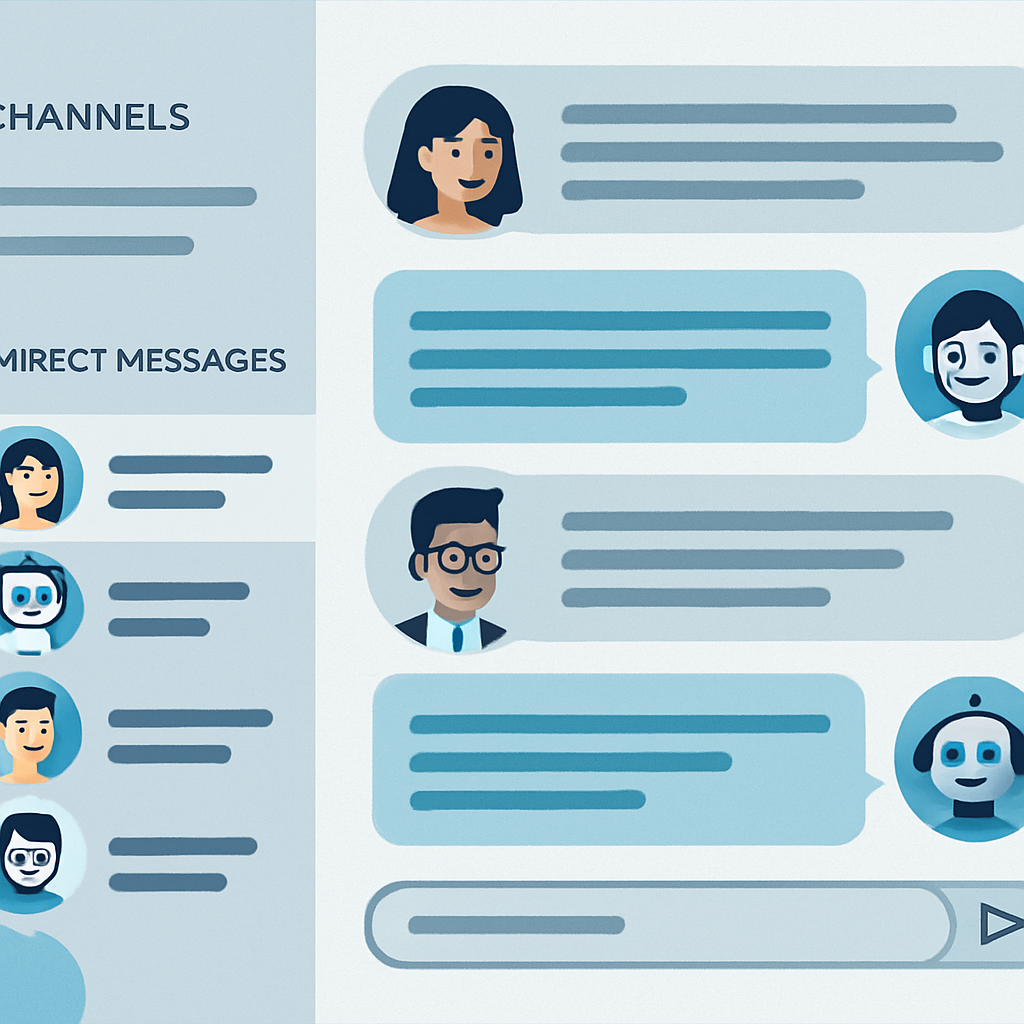
Entrepreneur Sara Du has unveiled a new messaging app called Ando, built from the ground up for teams that include both human workers and AI agents. The platform aims to go beyond tools like Slack or Teams by letting agents participate like real teammates—with their own identities, channels, and the ability to interact without human intermediaries. The company emerged from stealth on September 24, 2026, backed by $20 million in pre-seed and seed funding from Accel, Index Ventures, and Emergence.
Why existing tools fall short
Du observed that current workplace messaging platforms treat AI agents as add-ons—apps installed by humans rather than full-fledged members of a team. That structure forces humans to function as “meat proxies,” relaying messages back and forth between agents and staff. These inefficiencies, along with difficulty giving agents adequate context without overspending on processing costs, led Du to envision a different model.
Ando is meant to replace Slack-style tools for teams increasingly relying on AI assistance. Agents on Ando aren’t passive; they can browse channels, join conversations without being mentioned, and alert people when needed. They can operate with their own inboxes, take part in group discussions, and even digest live-call transcriptions to stay in sync with human activity. All of this is designed so agents can observe, respond, and contribute without waiting for human jolts of instruction.
Early signs, customers, and competition
Though still young, Ando already has customers in sectors like software, real estate, and finance across 15 countries. Most of these early users are small teams. Du says what distinguishes her product isn’t just tech novelty but moments when agents begin connecting threads that humans might miss—like when two separate conversations about the same issue happen in different channels, and an agent sees that overlap and brings people together to resolve things.
Even so, the startup faces stiff competition. Established collaboration platforms are quickly integrating AI. Slack has evolved its native bot into an agent, and Microsoft’s Teams has deeply woven its Copilot tools into Office 365. Meanwhile, recent entrants like Buzz are aimed particularly at developers, blending human and agent workflows in messaging. Ando, in contrast, promises to be built natively around an agent-first mindset rather than retrofitting legacy systems.
The $20 million in new capital will go toward hiring, scaling infrastructure, and handling more token usage—that is, the computational cost of running agents. Du believes agents could enable small teams to perform like larger ones by taking on tasks like execution, research, and coordination. Humans, she says, should instead focus their energy on strategy, judgment, and high-level decision-making.
Though early feedback included criticism that the platform was “janky” compared to more polished incumbents, usage patterns suggest people begin to appreciate what Ando can do after they stick with it. That sense, Du says, came when agents showed they could meaningfully reduce friction in communication—anticipating needs, consolidating related discussions, and offering options without constant prompting.
Analytical take: Ando is aiming at a hole in current collaboration tools—a gap growing more visible as AI agents move beyond novelty into daily use. If Ando succeeds, it could reshape how teams think about labor division between humans and machines. But onboarding and user experience will matter immensely: agents only feel useful if they integrate smoothly and don’t add overhead. What to watch for is how Ando handles scale—both in number of users and how intelligent its agents become. The battle isn’t just technical; it’s about whether people find these AI teammates intuitive, trustworthy, and able to reduce noise rather than add more.