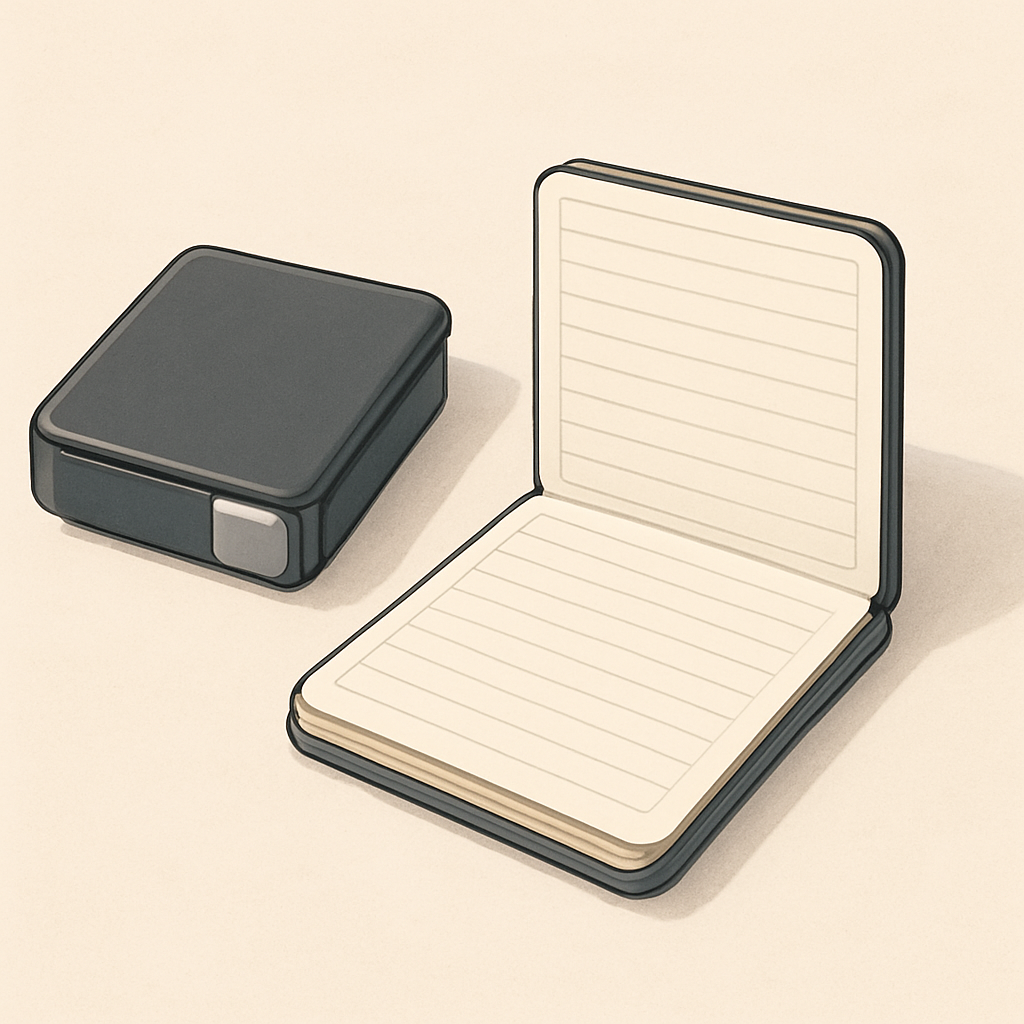
Apple’s upcoming iPhone Duo—its first foldable—draws direct inspiration from a simple source: paper notebooks. In a deep dive, Apple’s hardware and design leads explain how the device embodies Steve Jobs’s ideal of merging technology and liberal arts. This article covers the origin of that inspiration, the design decisions behind it, and how the past shapes the future of a folding iPhone.
A Notebook in Your Pocket
According to Apple’s design leaders—John Ternus (hardware), Molly Anderson (industrial design), and Steve Lemay (human interface)—the iPhone Duo started with the question of how to deliver both space and portability. Anderson says the team looked to paper notebooks as a guiding metaphor. What does it feel like to carry one? How does it balance compactness with usability? That mindset informed the Duo’s proportions, closed and open.
An international paper size system—the A-series (e.g. A4, A5)—served as a benchmark. Apple suggests that Duo’s dimensions when closed closely match A5, though it’s not an exact match. The notebook influence continues when folded out: Apple was determined the device should feel natural in both states. It’s been designed to open smoothly, with a hinge engineered with variable torque, able to hold itself open and remain flat for interaction and readability.
Design Roots: Blending Old & New
Lemay says the software experience won’t feel like branching into an entirely new operating system when the phone unfolds. Users should find familiar touchpoints from existing iPhones, iPads, even the Macintosh, never losing sight of where they left off. That consistency has been a priority, so transitions, animations, and layout changes all carry learned patterns from previous Apple gear.
The hardware, meanwhile, leans heavily into physical feel. Anderson highlights the Duo’s hinge mechanism, which strikes a balance between being smooth to open and stable when deployed. The tactile experience of opening a notebook influenced it deeply—something you’re accustomed to, but haven’t quite felt in recent phones.
Timeline & Release
Pre-orders for iPhone Duo begin on October 16, 2026. While public stores already carry the iPhone 18 Pro, Apple is setting the stage for this foldable to arrive as the next major leap in its iPhone lineup.
Apple positions the Duo as both heir and evolution: drawing on historical strengths while pushing toward foldable form. It’s intended not to rewrite how users interact with iPhones entirely, but to reimagine certain possibilities—gestures, multitasking, and the feel of physical transformation.
All of this reflects Ternus’s assertion that the Duo is the embodiment of Steve Jobs’s vision—bringing together technology and liberal arts. The notebook metaphor isn’t just nostalgic: it’s central to how Apple hopes users will understand foldables—not as gimmicks, but as extensions of familiar tools.
What this means is that Apple is betting on soft experience over raw novelty. If the Duo delivers what’s promised—natural unfoldings, intuitive software continuity, and a foldable that enhances rather than complicates—then it could mark a turning point in how mainstream smartphones evolve. What to watch for: durability of the hinge over time, how fluid the software transitions feel in daily tasks, and whether the price justifies living at the intersection of art and engineering.