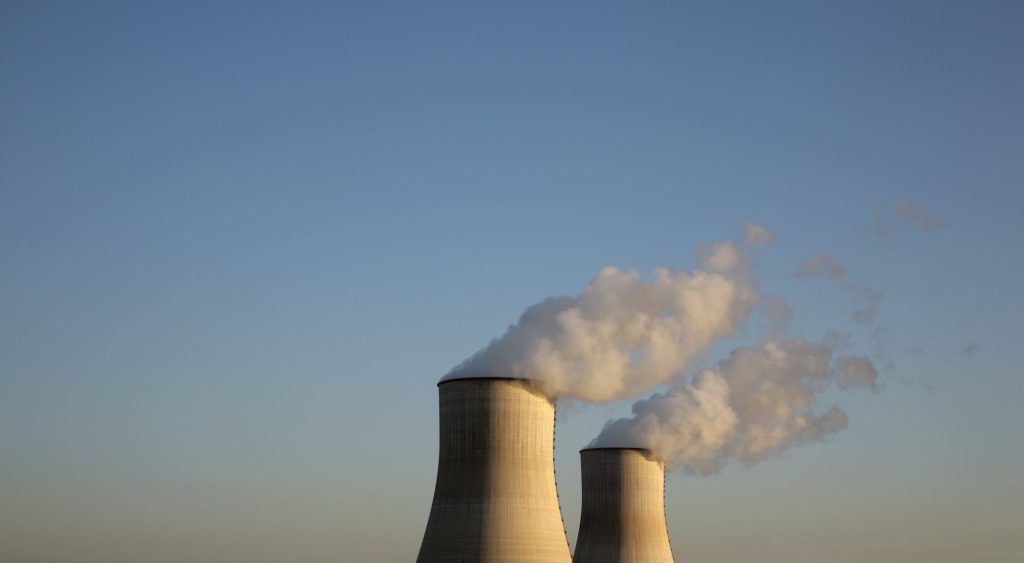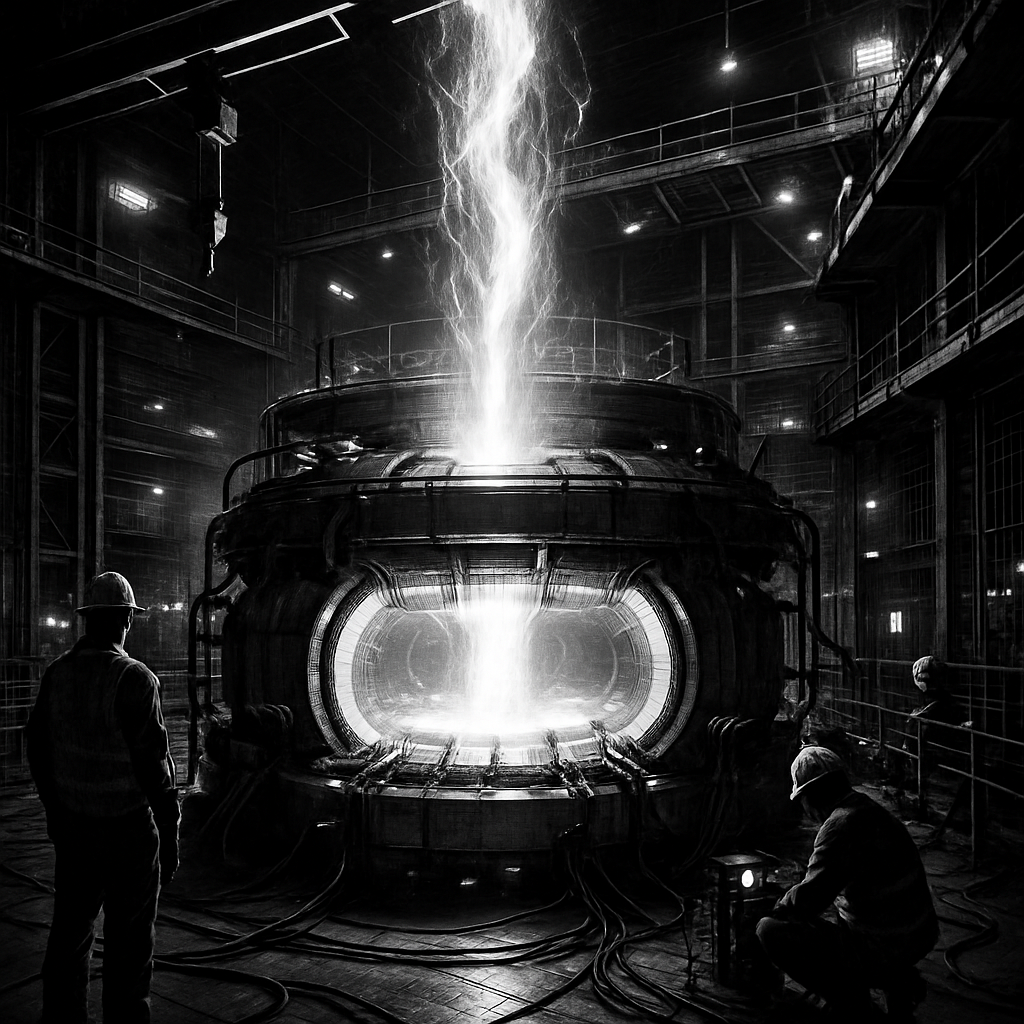
Fusion energy has long been considered the ultimate clean energy goal—promise without payoff. That changes. Two fusion companies are now resolving to take fusion lore beyond lab benchmarks and deliver real electricity to the grid.
Power Players: Commonwealth Fusion and Helion Energy
Commonwealth Fusion Systems (CFS), founded around 2018, is pushing ahead with SPARC, a demonstration reactor built to clear the path for ARC—its planned commercial-scale power plant. Brandon Sorbom, CFS co-founder and Chief Science Officer, brings deep technical chops rooted in the fusion design work he undertook during his Ph.D. at MIT. In April, CFS applied to PJM Interconnection, the nation’s largest wholesale electricity market, taking a major regulatory stride toward hooking ARC into the grid. They’ve now raised about $4 billion, with $1 billion of that coming in their most recent round.
Meanwhile, Helion Energy is developing Orion, a 50-megawatt fusion plant anticipated to provide electricity to Microsoft as early as 2028. Earlier this year, its Polaris prototype achieved a plasma temperature of 150 million degrees Celsius—a key technical landmark. Helion’s regulatory approvals are also aligning: in June the company cleared an important regulatory hurdle, and its Series G fundraising bumped up to $500 million in September, up from the $465 million initially announced in June.
From Breakthroughs to Baselines: Bridging Science and the Grid
Both companies are now focused on crossing what’s arguably the most difficult gap: translating scientific and engineering breakthroughs into stable, commercial power production. For CFS, that means turning SPARC’s demonstration achievements into the physics and engineering groundwork required for ARC. For Helion, it’s about delivering Orion reliably, with all the supporting infrastructure, regulatory clearances, and financing in place.
That transition involves more than just hitting high plasma temperatures. On the regulatory side, both finding the approval pathways and ensuring safety/operability at scale are massive challenges. Financially, fusion requires sustained investment over long horizons with uncertain technical risk. Grid integration — how to connect big reactors to existing utility systems — adds another layer of complexity. The timeline, especially for Helion, creates added pressure: aiming for 2028 power delivery to Microsoft means many milestones must align smoothly.
What’s Next & What’s at Stake
Further technical feats remain: refining reactor materials, ensuring consistent net energy gain, managing heat loads, and maintaining plasma confinement over long durations. On the policy side, grid market rules, licensing, and safety regulatory conditions must be fully met. Investors continue pumping funds into both firms, signaling growing confidence—but also expecting results. Deployment logistics, permitting, supply chain readiness and workforce development loom as major factors.
At TechCrunch Disrupt 2026 (October 13-15, San Francisco), Sorbom and Helion’s CEO David Kirtley will appear on the Smart Systems stage in a session titled “Bringing Fusion to the Grid.” They’ll walk through what’s really happening now in fusion, the remaining hurdles, and what it will take for these projects to start feeding power into the grid at scale.
Analytical angle: Fusion’s era of promise may be approaching its era of proof—and soon. While decades of theoretical and experimental work are finally converging around projects with clear commercial timelines, the leap from record-breaking labs to regulated, financed, grid-connected power plants remains enormous. Whether CFS or Helion (or both) succeed, their progress will set benchmarks for fusion’s real viability: not just temperature or plasma metrics, but reliable, scalable energy for customers. What matters next are the test cases—the first plants operating under real grid conditions. Watch SPARC’s regulatory journey, Helion’s safety licensing, and both the financial discipline and material innovations needed to make fusion energy more than a dream.