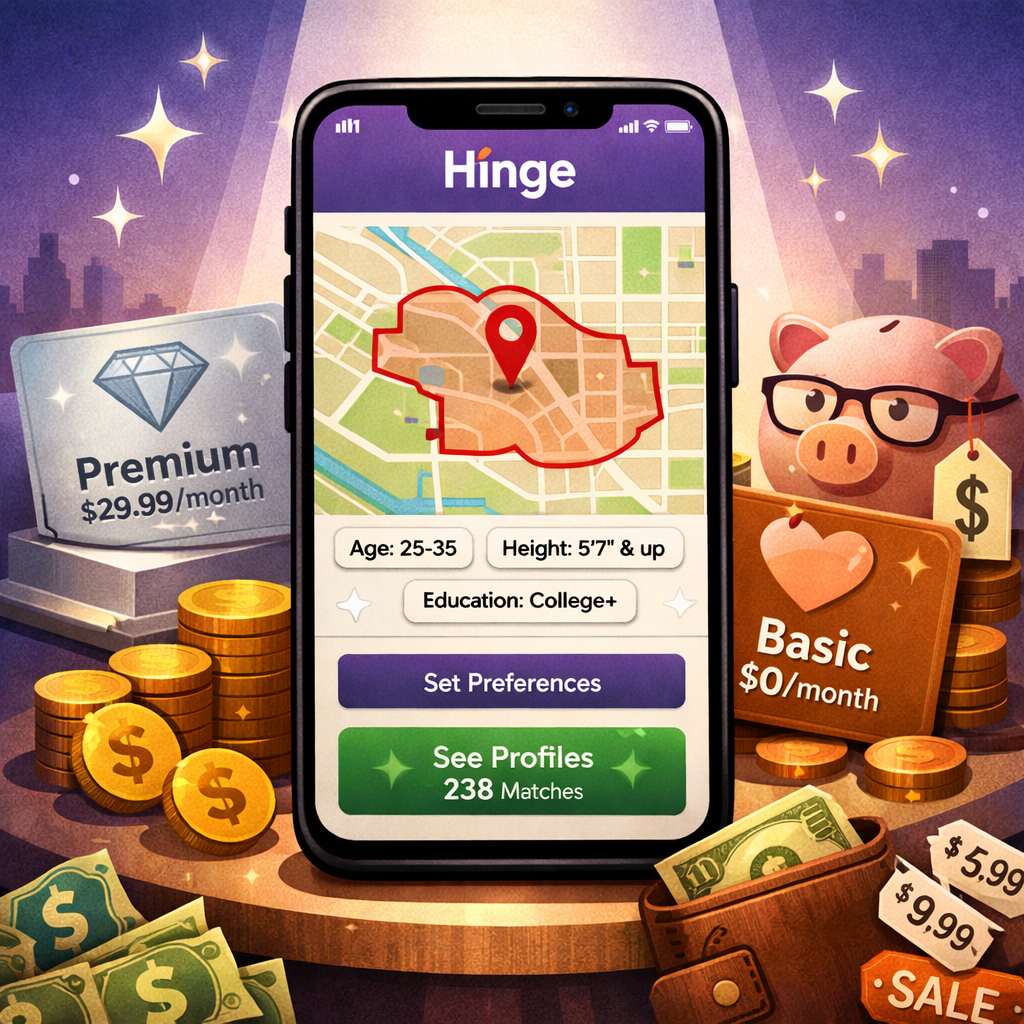
Match Group’s dating app Hinge is rolling out a lower-cost subscription option, aiming to win over users put off by the growing fatigue around paying for premium features. As people question the value proposition of dating apps and grow weary of subscription costs, Hinge’s new plan could address those concerns. The offering, uncovered during Match Group’s Q3 2026 earnings report, includes perks like extra filters and customizable location boundaries. The company says it’s tailored especially toward women and other users who are more sensitive to price points.
Why the Move Now?
Historically, Hinge has positioned itself at the high end of Match Group’s portfolio—its full-priced subscription yields revenue-per-payer nearly double that of Tinder, yet fewer users make the leap to pay in the first place. The current payer penetration is only slightly above half of Tinder’s. That gap suggests both untapped potential and a ceiling on what users are willing to spend.
Despite being a strong performer, Hinge hasn’t escaped broader industry trends. In the latest quarter, it saw 12% growth in global monthly active users, direct revenue rose 19%, and paid users increased 23%, reaching 2.3 million. Total direct revenue landed at $221 million. Tinder, by contrast, pulled in $480 million but saw both revenue and paying users dip slightly year over year. The cheaper tier could help Hinge reach more users without forcing them to commit to its premium price tag.
New Features, Same Strategy Shift
The upcoming lower-tier subscription will offer tools aimed at giving users more control over matches—namely fine-tuned filters and the ability to set custom boundaries for location. Match Group hasn’t revealed the price yet. Last time Hinge experimented with tier stratification—back in 2023—it added a more expensive option for features appealing to those willing to pay for added functionality. This time around the company is trying the opposite: getting more users on board by lowering price barriers.
Match Group is also doubling down on differentiating its dating apps beyond swipe-heavy matching. It’s launched new features like group hangouts and events to help users connect in settings beyond traditional one-on-one matches. A real-time adaptive recommendation system is planned for testing in Q4, promising updates that respond to user activity in seconds rather than hours, with the aim of improving relevance.
Even with these product tweaks, the bigger danger of dating fatigue looms large. Subscription annoyance, dissatisfaction with superficial matching experiences, and growing skepticism about the value of premium dating tiers have made convincing users to pay ever tougher. Hinge’s decision to test a cheaper option reflects both desire to remove friction and need to stay agile in the evolving dating app landscape.
What to Watch For: When Match Group does announce the price and exact feature set for this new subscription tier, it’ll offer insight into how far people are willing to compromise on cost versus capability. Also worth tracking: whether these changes boost payer conversion, and whether the new tier meaningfully slows user attrition amid competition and growing apathy toward dating apps.
Why It Matters: Dating platforms are increasingly viewed as less fun and more transactional, and Match Group’s strategy may prove critical in proving there’s still room to grow without pricing out users. The success or failure of this move could ripple across the industry—expect competitors to take notice.