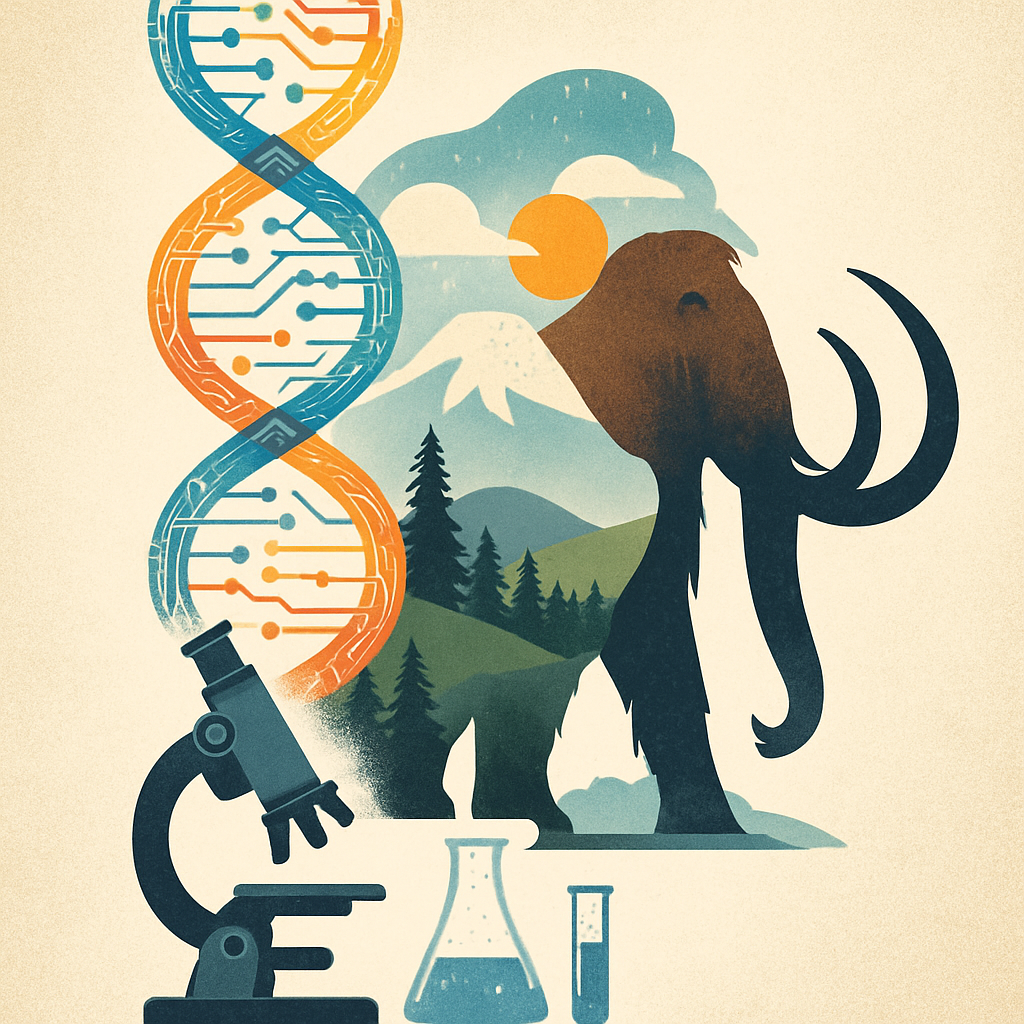
Bringing extinct species back to life once seemed pure science fiction. Now, it could be a viable conservation strategy thanks to advances in synthetic biology and artificial intelligence. This provocative topic will take center stage at the upcoming Disrupt 2026 conference.
The Disrupt Talk You Won’t Want to Miss
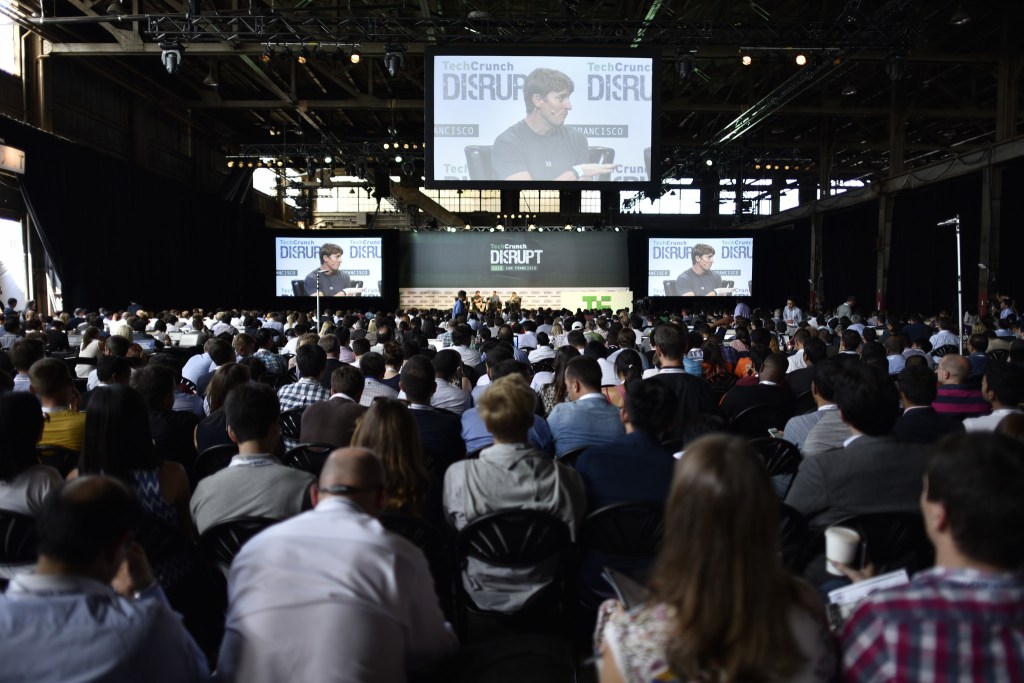
On October 13–15, Disrupt 2026 returns to Moscone West in San Francisco, drawing over 10,000 founders, investors, and technologists for more than 250 sessions on the cutting edge of innovation. A headlining panel titled “Can We Engineer Nature’s Comeback?” on the Real World AI Stage will explore how AI is reshaping biology and whether de-extinction efforts are a breakthrough for conservation or a diversion from safeguarding existing ecosystems.
A Leader Pushing Boundaries
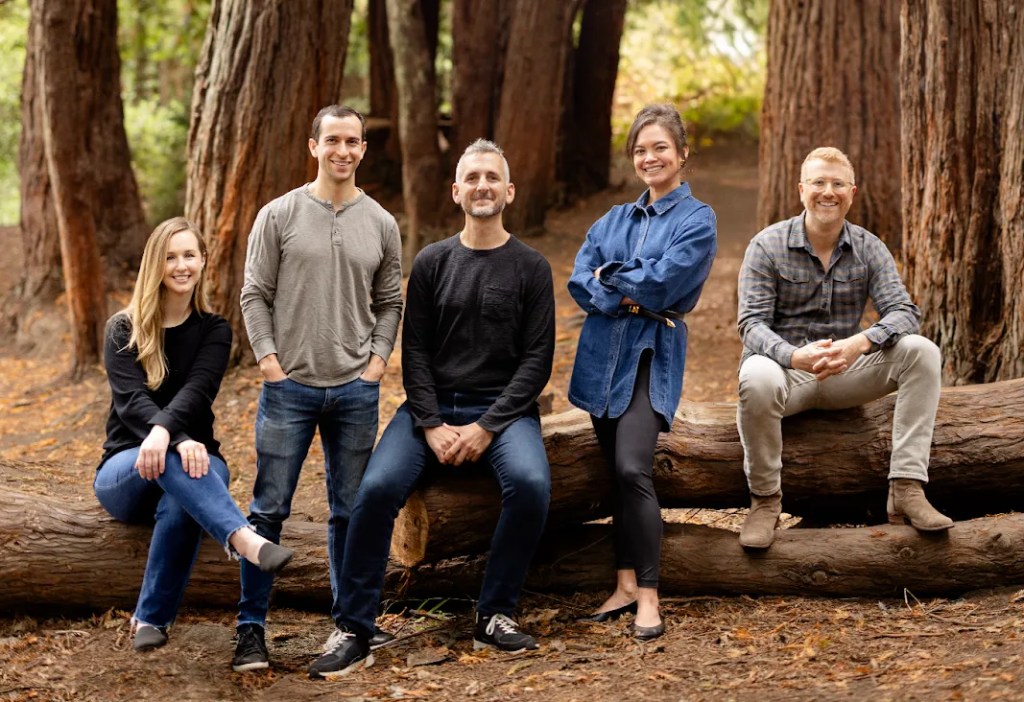
Ben Lamm, co-founder and CEO of Colossal Biosciences, will join the session to discuss the company’s ambitious work using synthetic biology and AI to resurrect species that have vanished from Earth. Colossal has become one of the most closely watched — and debated — enterprises operating at the intersection of biotechnology, conservation, and innovation.
Lamm’s background includes founding multiple tech companies in areas such as AI, conversational systems, and critical infrastructure. He’s now channeling that experience toward biological frontiers: leveraging computational models, genetic engineering, and other tools to ask what’s possible when science reopens doors to the natural world.
Why the Debate Matters
The discussion goes well beyond the scientific feats involved. As AI becomes a central tool in biology, the implications span ethical, ecological, and policy dimensions. What are the limits of reviving extinct species? Should resources prioritize de-extinction or protection of already endangered habitats and species?
This event is emblematic of a larger trend: emerging technologies bleeding into the environmental and life sciences sectors. AI is already helping researchers analyze genetic data, model complex biological systems, accelerate discovery, and now challenge assumptions about what’s feasible in conservation.
If you want to attend, passes are still available (with up to $200 in savings). The full Real World AI Stage lineup will be released soon, promising more conversations at this nexus of innovation.
Analytical Take: The push to resurrect extinct species forces a reckoning for conservation and technology. Tools like AI and synthetic biology offer unprecedented opportunities to reverse — or at least mitigate — biodiversity loss. Yet they also risk shifting attention and funding away from protection and restoration of existing ecosystems. What’s at stake is not just which species we might bring back, but how society decides which nature we value, how we intervene, and who benefits. The dialogue at Disrupt will likely frame how this balance plays out in the coming decade.